Category: Foot & Ankle

  • Professional Help for Smelly Feet: Signs It’s Time to Visit a Podiatrist

    Professional Help for Smelly Feet: Signs It’s Time to Visit a Podiatrist

    Smelly feet are a common problem, particularly for people who sweat a lot, lead active lifestyles, or those who wear tight-fitting shoes. This can be a cause of embarrassment for many individuals, but know that you’re not alone. Many people experience foot odor issues at some point in their lives and a podiatrist can help address this condition.

    If you have smelly feet that just won’t go away, you have come to the right place. Below are some signs you need to look out for to know when it’s time to see a podiatrist.

    Signs You Need Help from a Podiatrist
    • Persistent Foot Odor

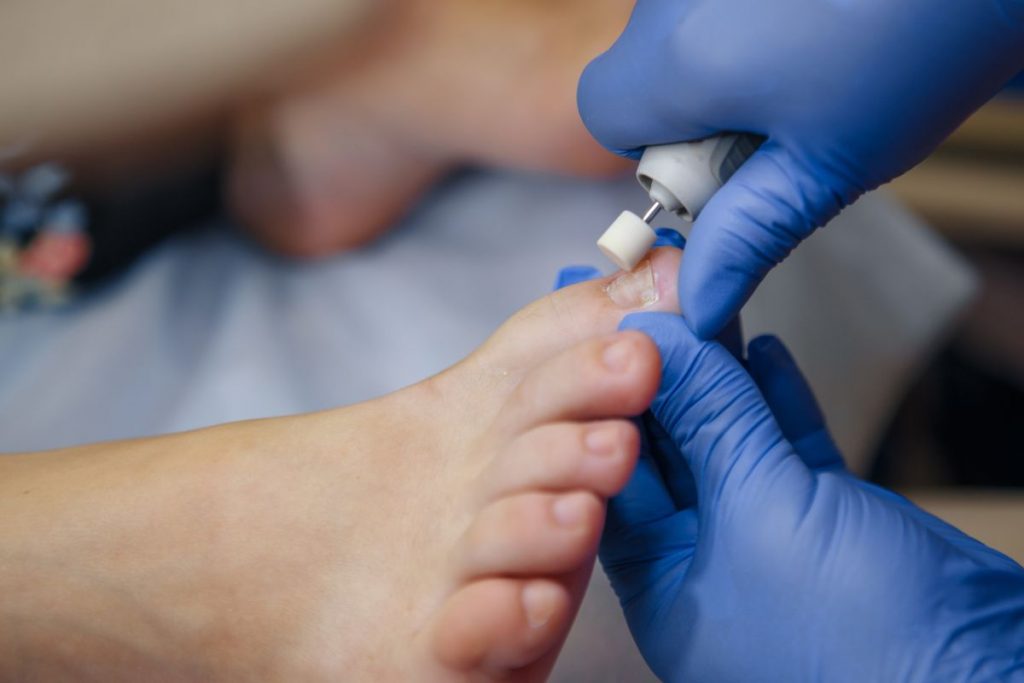
    Having foot odor from time to time is normal, especially when you’ve undergone strenuous activities or a long day. However, if you notice that your feet smell even after washing, cleaning, and drying your feet thoroughly and regularly, this may point to signs that you have underlying issues that call for professional attention.

    • Itching and Discomfort

    Smelly feet can sometimes be caused by fungal infections, such as athlete’s foot. This can lead to itching and discomfort, as well as unwanted foot odor. If your feet constantly itch or worse, have a burning sensation to them, this can signify other foot problems or concerns.

    • Change in Foot Appearance

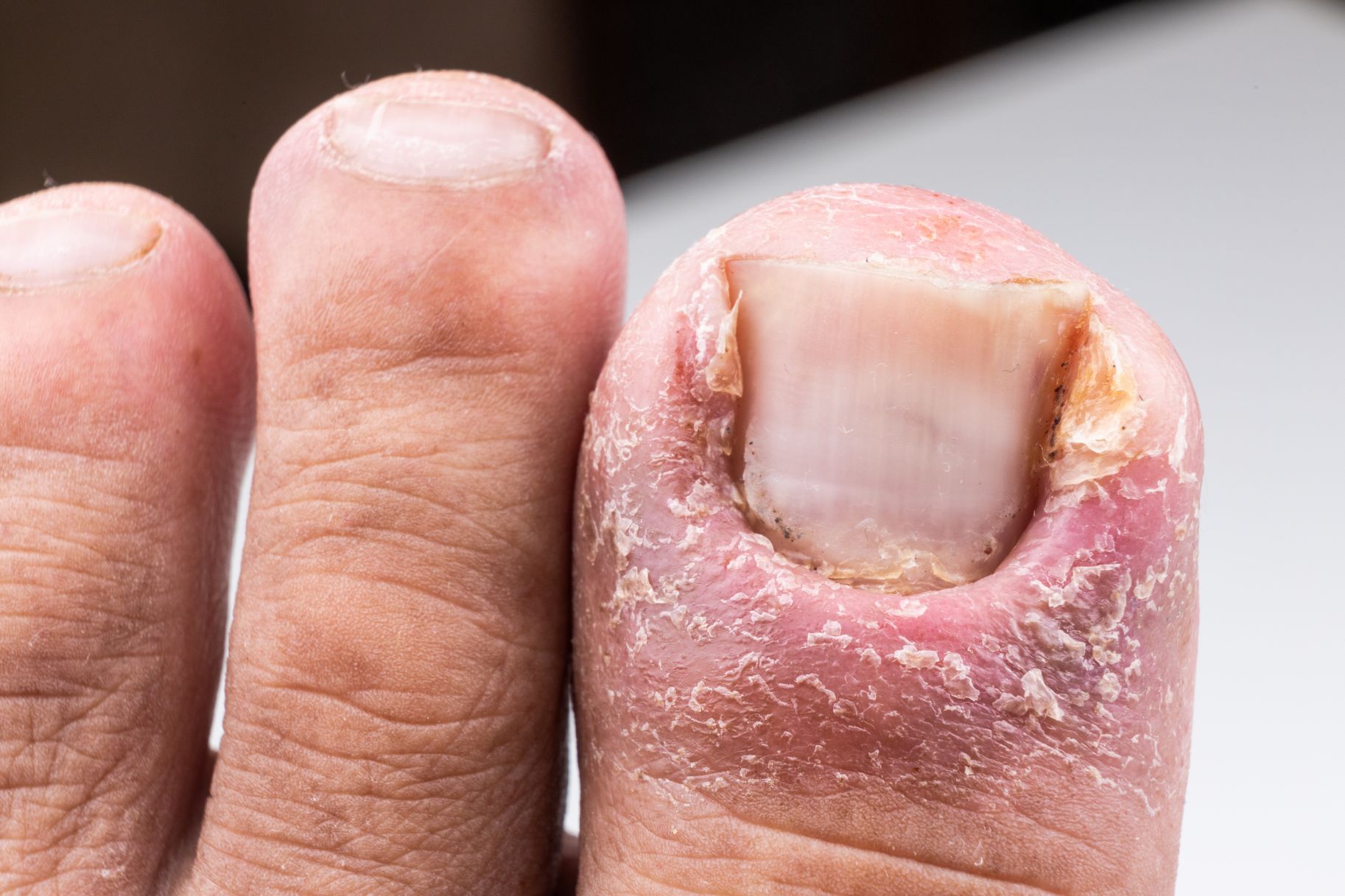
    Similar to the point above, foot infections like athlete’s foot can sometimes cause changes in a person’s foot appearance. Some changes in foot appearance that you should look out for include redness, inflammation, or cracked feet, among others. Blisters and peeling skin are also other changes you have to look out for.

    • You Have Other Medical Conditions

    Individuals who are living or dealing with certain medical conditions like diabetes or peripheral vascular disease are highly encouraged to consult with their trusted foot doctor.

    These aforementioned medical conditions put individuals at increased risk of foot complications, especially as these diseases compromise blood circulation, particularly at their feet. This can lead to slower wound healing, foot infections due to high blood sugar, or foot ulcers.

    Foot Odor and the Connection with Fungal Infections

    There are various causes of smelly feet, but one of the most common causes for these are fungal infections like athlete’s foot. Fungi and bacteria such as Epidermophyton or Trichophyton typically thrive in warm and moist environments, especially the insides of your shoes and even between the toes.

    When these fungi multiply and fail to be stopped in their tracks, they break down sweat and dead skin, leading it to produce a bad smell in your feet. These fungal infections can contaminate various surfaces, not just your shoes and feet. If left untreated, these can also be spread through towels and floors.

    How Foot Doctors Treat Smelly Feet

    Visiting your podiatrist can help you get rid of smelly feet. Consulting with these medical professionals can help treat the root of the problem.

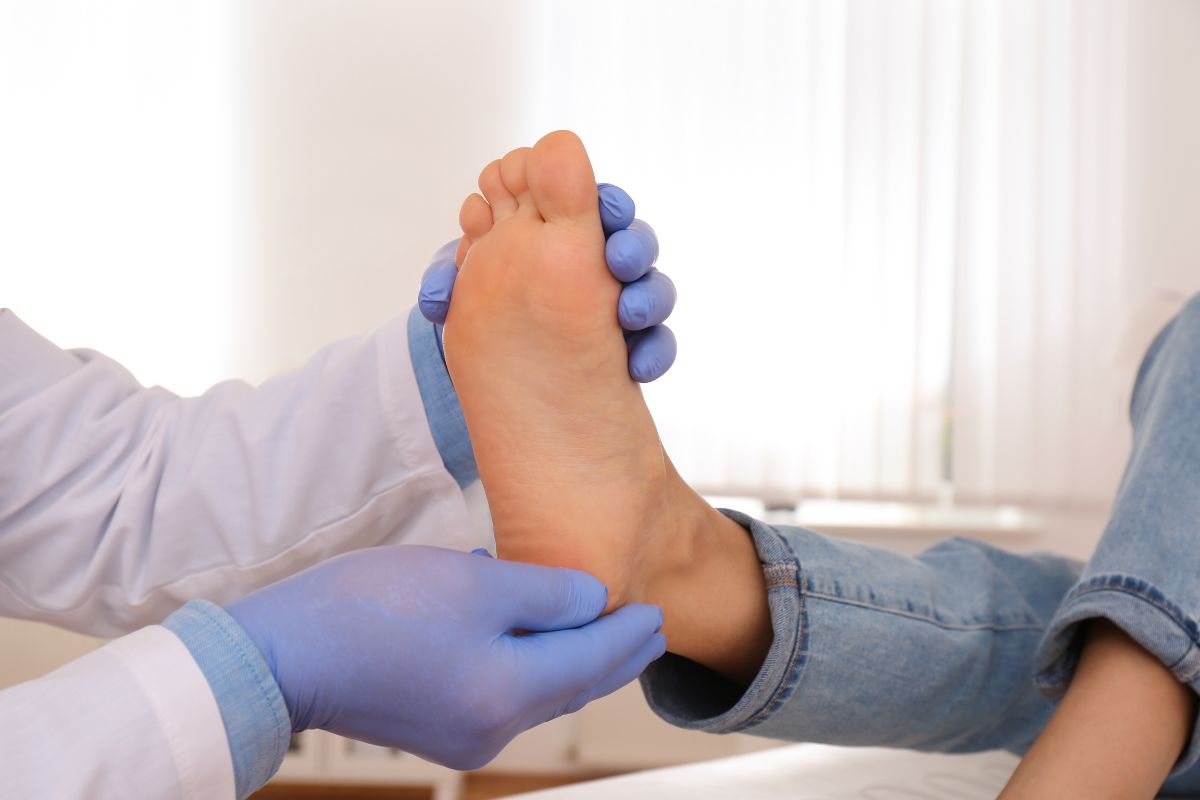
    To diagnose the underlying cause of foot odor, podiatrists can use varying diagnostic tools and methods to determine the cause of your foot odor. These include conducting a physical examination of your feet to look for any signs of infection.

    Moreover, your foot doctor may also conduct a fungal culture by taking a sample of your skin or toenails. They’ll send these to a lab in order for them to be tested for fungus. Alternatively, people with potential underlying medical conditions may be asked to get further blood tests to determine what causes their foot odor.

    The Bottom Line

    Regular visits and consultations with your podiatrist can help treat the root of foot odor. By identifying the cause of smelly feet, you can regain your comfort and confidence with every step you take.


  • Exercise and Mobility for Seniors: Keep Your Feet Functional as You Age

    Exercise and Mobility for Seniors: Keep Your Feet Functional as You Age

    As we get older, it has become more imperative for us to learn how to take care of our health and mobility. Our feet are a vital factor that needs preventive care and maintenance in order to remain agile and mobile in our older years. This is possible with a series of exercises as well as the help and guidance of a podiatrist.

    Whether you’re a senior looking to improve your foot health and quality of life or a caregiver helping your loved ones, staying active is a lifelong commitment that can make all the difference in helping you maintain functional feet throughout your life. Get to know these exercises below.

    Importance of Foot Health in Seniors

    Our feet remain one of the strongest foundations of the body. They bear the weight of our bodies, as well as other things we carry on a daily basis, from our bags, shoes, and many others. As such, this makes them susceptible to wear and tear as we age, leading to various foot-related conditions like increased risk for falls, reduced mobility, and arthritis, to name a few.

    Medical professionals like a foot doctor can help older individuals equip themselves with the tools and knowledge they need to maintain optimal foot health. Not only can these professionals offer valuable insights, but they can also diagnose and treat foot concerns and abnormalities, helping individuals pursue a happy and healthy life.

    Exercise to Keep Your Feet Agile

    • Ankle Circles

    One of the best foot exercises you can do without needing additional equipment is ankle circles. The goal of this particular exercise is to help you maintain joint mobility as well as reduce the stiffness of your feet and ankles.

    To start, lift one foot off the ground and rotate your ankle in a clockwise position. Do this for 10 seconds. Then, do the action counterclockwise. Repeat the same aforementioned actions for your other foot.

    • Heel Raises

    Heel raises, on the other hand, are made to strengthen your calf muscles. This exercise is also geared towards maintaining your balance.

    To do this, stand behind a chair or a table and use its backrest or handles for support. Then, raise your heels off the ground as high as you can, before slowly lowering them back down.

    • Toe Taps

    Similar to ankle circles, toe taps work by improving flexibility and blood circulation in your toes. To execute this, start by sitting on a comfortable chair. With your feet flat on the floor and your heels firmly on the ground, slowly lift your toes and tap it back down.

    Mobility Exercises That Help

    • Yoga

    Yoga is a type of exercise that seeks to promote whole-body flexibility. At the same time, it also acts as a form of strength training and a practice for balance.

    Many yoga exercises focus not just on breathing and mindfulness, but also on foot and ankle stability. This can benefit older individuals who like to maintain their mobility.

    • Walking

    One of the most effective ways to keep your feet functional over time is simply by walking. Not to mention, it also acts as a form of cardio. It is important to note, however, that opting for the right footwear is essential to provide ample cushioning and support to your feet.

    • Swimming

    Swimming is a low-impact exercise that’s gentle on the joints yet still provides a full-body workout. Staying buoyant on the water reduces the stress on your feet, ideal for seniors who commonly experience pain and inflammation.

    The Bottom Line

    Before starting out any routine or exercise, it’s best to consult your podiatrist, more so when you have existing foot conditions. With these tips and the guidance of these professionals, you can take the right steps toward maintaining your foot health and mobility in an optimal manner.

  • Winter Foot Care Tips That Will Get You Through Frosty Times

    Winter Foot Care Tips That Will Get You Through Frosty Times

    With fall slated to commence soon and winter following suit, it cannot be denied that the cold months are finally rolling in. When this happens, our feet go through various pathways, including slush, snow, and ice, making it more challenging to navigate walkways safely.

    During these frosty times, implementing proper foot care and maintenance is essential not only to avoid dryness and discomfort, but also to veer away from serious issues such as fissures or worse, frostbite. With the right care and precautions, alongside the guidance of your podiatrist, you can keep your feet happy and healthy all winter long.

    Limit Your Exposure to the Cold

    Frolicking and playing in the cold can truly be a fun and magical time, especially when you’re out with friends or loved ones in the snow. However, it should be emphasized that you shouldn’t go out with bare feet in the cold or in the snow for any length of time as this exposes you to the elements and leaves your feet at risk for developing frostbite and other problems.

    While limiting your feet exposure to cold may seem like common knowledge, reminding yourself regularly will help keep your feet health intact.

    Check Your Feet Regularly

    If your job doesn’t keep you out of the cold or you simply have to walk through icy weather, you should take the time to check your feet every single day. Exposing your feet to the cold makes your feet prone to numbness, drying, and dehydration, making it difficult to feel any sensation at times. This way, you’ll know if there are any cuts or sores you need to address.

    While you’re at it, consulting with a foot doctor might be of help. As professionals, they can examine your feet regularly and keep tabs on your health and progress. Moreover, these experts are likewise equipped to make a diagnosis about the condition of your feet and, by extension, treat any foot-related condition you might have.

    Keep Your Feet Clean and Dry

    In relation to the previous point, you should make sure to clean your feet daily with soap and water. In addition, drying it up well before putting on your socks and shoes can help keep bacteria and fungal infections at bay.

    Keeping your feet clean also entails trimming your toenails regularly to prevent them from digging into your skin and causing ingrown toenails.

    After washing your feet, slathering on some lotion or moisturizer can bring back some much-needed moisture, especially during cold, harsh weather. Massaging these creams will not only keep your feet soft and moisturized, it will also prevent your feet from cracking.

    Wear Moisture-Wicking Socks

    Moisture in your feet is the perfect breeding ground for bacteria, diseases, and other fungal infections to take effect. Stop these in their tracks by opting for moisture-wicking socks, many of which are made from natural fibers such as cotton or wool.

    Having sensible socks is imperative, especially when you’re going into extreme temperatures or when your shoes aren’t waterproof at all. You can even layer by using thermal socks as your base layer and using wool or cotton socks for additional warmth. To complement moisture-wicking socks, a sprinkling of foot powder can help absorb excess moisture.

    Remove Wet Clothing Right Away

    If your socks, shoes, or boots happen to get soaked during your day, you should remove them right away and allow them to breathe and dry out. As mentioned, moisture is your enemy and wearing damp layers of socks and shoes can make mold and bacteria grow immediately.

    Wet clothing can also make your body more susceptible to cold, making you prone to colds and frostbite, as well as foot conditions such as trench foot.

    Final Thoughts

    Keep your feet safe and healthy all throughout winter with these nifty tips. Should you encounter any foot-related issues, feel free to get in touch with a podiatrist today. With expert help and strategic maintenance measures, your feet can take you through the frostiest of times.

  • Learn What Causes Bunions and How You Can Fix Them

    Learn What Causes Bunions and How You Can Fix Them

    Many people around the world are dealing with bunions. After all, this is a common foot condition than one would think. As a matter of fact, this is considered one of the most common foot problems, especially among women.

    Bunions are caused by different factors. Learn more about what causes this problem and why it brings about foot pain, as well as its treatment and how you can prevent this from forming in the first place.

    What are Bunions?

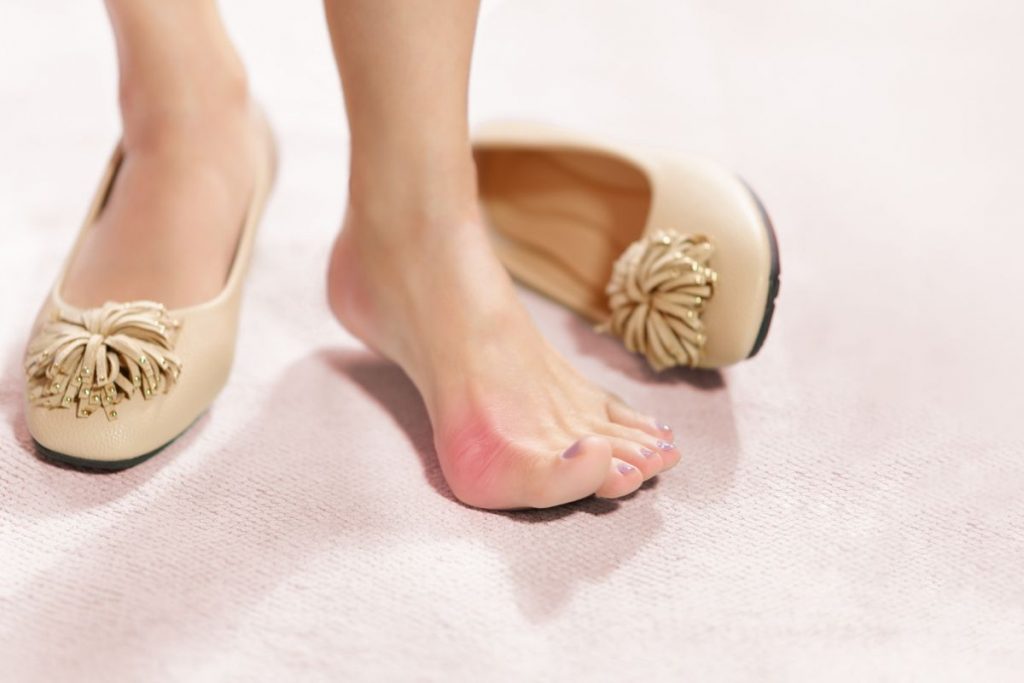
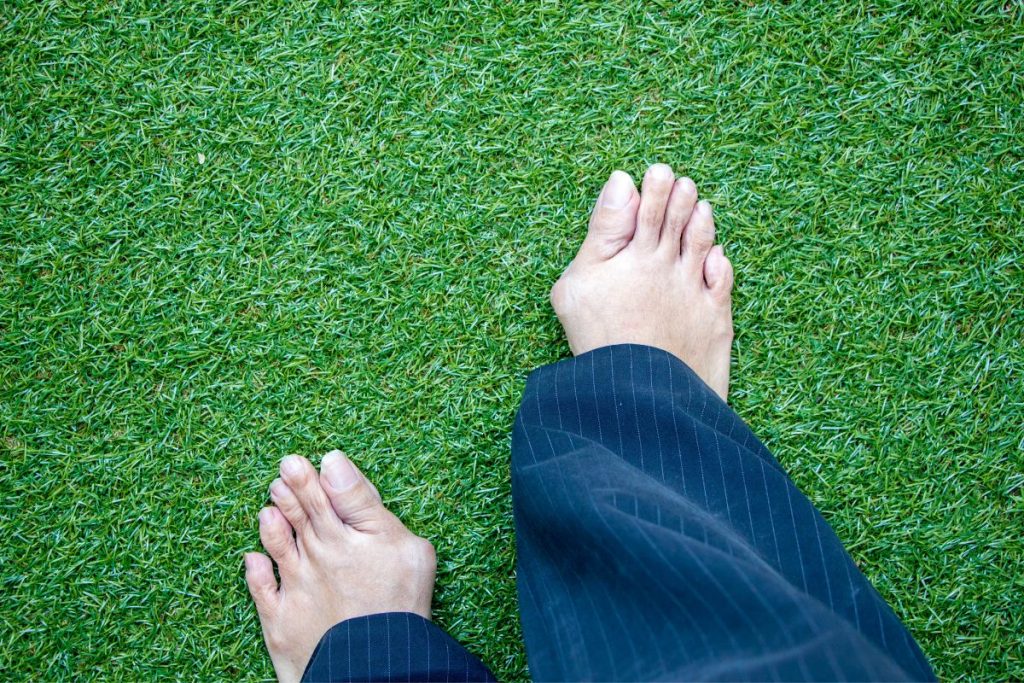
    Bunions refer to the bony bump that tends to form at the base of your big toe. They are likewise known by their medical term called hallux vagus.

    Bunions come about when the metatarsal bone moves towards the side closer to the other foot. This means that the bones in your foot are being displaced, forcing the joint of your big toe to stick out and become a deformity of sorts. This also means that the big toe is moved toward the smaller toes.

    As this foot condition progresses, you may feel foot pain. This is more prevalent when the angle between the big toe and the foot grows, leading to fluids filling in a sac at the base of the big toe.

    How do Bunions Develop?

    There are various reasons why bunions develop. One of the main causes of bunion is wearing ill-fitting shoes, particularly those that are constricting on the toes and are quite narrow.

    This is perhaps why more women are prone to having bunions. Apart from wearing tight shoes, women are also said to have weaker connective tissue in their feet.

    Another cause of bunions is genetics. Sometimes, this foot condition happens simply because it is hereditary and there are some families whose foot types run narrower. At times, the structure and shape of the feet can likewise affect one’s chances of forming bunions.

    In a similar vein, the development of bunions may just simply be exacerbated by individuals who already have foot deformities from birth. By extension, those who have foot conditions such as flat feet, arthritis, and low arches are susceptible to developing this problem.

    Get to Know the Treatment for Bunions

    • Having the Right Type of Shoe

    One of the best ways you can address the formation of bunions is by wearing the right shoe type for your feet. No two feet are alike, which is why you might want to consult a specialist such as a foot doctor who can guide you toward choosing what best suits your feet.

    Bunions can feel painful at times because many shoes are not equipped to accommodate their formation. To prevent friction and from encouraging the development of bunions, make sure to find shoes that have wide toe boxes and flexible uppers. Having a supportive arch works in your favor as well.

    • Using Protective Padding and Inserts

    Going the extra mile in protecting your feet can make it feel like you’re walking on clouds. Some accessories that might help alleviate your foot problems are protective foam padding. This adds comfort and helps reduce the pressure on your bunions.

    • Bunion Surgery

    In the worst case scenario, having bunion surgery will greatly provide relief and improve your overall foot health. Conducted by a podiatrist or a foot doctor, this MIS bunion surgery is minimally invasive.

    While this type of surgery may sound scary, this actually corrects your feet and metatarsal bone, allowing your foot and toes to be realigned properly once more. It also reduces foot pain and gives you back the full range of motion you once enjoyed.

    The Bottom Line

    Bunion formation is a normal part of life. Even so, with these preventive measures and tips, you can help keep this foot problem at bay. For those with this condition, make sure to consult your foot doctor right away and you can keep your feet healthy with their guidance.

  • Barbie Feet and Why It Could Be Harmful

    Barbie Feet and Why It Could Be Harmful

    Barbie is a popular fashion doll that has been loved throughout generations. It has made recent waves as of late thanks to the upcoming film by Greta Gerwig, as well as the famous Margot Robbie arched foot scene.

    If you’ve played with Barbies as a child, you’re sure to be familiar with this said foot scene, especially as it has been making rounds on the internet and even becoming a trend. Get to know what Barbie feet actually are and why this could be harmful, causing foot pain and more over time.

    What is Barbie Feet?

    Barbie feet are one of the latest body trends on the internet. This simply refers to the individuals modeling their feet akin to that Barbie’s permanently arched and pointed ones. The main goal of this trend is to help elongate people’s feet and appearance in their photos, especially when they’re barefoot.

    It is slowly making waves once more as the news surrounding the release of the new Barbie movie. This also became prominent around 2018 and this was all the rage on Instagram back then.

    This particular pose requires individuals to act as if they’re wearing an invisible pair of heels under their arches, despite there being nothing in the first place.

    How This Trend Could be Harmful

    Having toned and slimmer legs in photos are certainly wonderful. However, Barbie feet could pose more harm, which is why getting to know some of its negative effects is important. Here are some reasons why this trend could be harmful.

    • Promote Pain and Inflammation

    Standing on the balls of your feet for extended periods of time can lead to foot pain or even nerve pain. This can even put you at increased risk for injury, especially as it forces the toes and feet to be placed in an exaggerated position, all the while carrying the weight of the body with it.

    When this happens, you can expect some straining to happen not just on your feet, but on your calves as well. Some effects include structural issues on your feet as well as the risk of developing plantar fasciitis. Many experts say that this trend can shorten calves.

    • Impact Balance and Stability

    In relation to the previous point, it’s worth reiterating that the Barbie feet trend can damage the structural integrity of your feet. The high arches of the feet, coupled with the pointed toes, change the way you uphold your body, thereby affecting the center of gravity as well.

    This results in a disruption in the overall natural balance and stability of the body. As such, you might experience increased risks not just for ankle sprains, but also make yourself prone to falling or tripping even.

    • Unhealthy Body Expectations

    Barbie is a doll. Fashioning this trend after a toy that has unnaturally long and slender legs that are constantly arched and pointed could lead to unrealistic body expectations and even body dysmorphia.

    This can likewise affect one’s mental health, making individuals feel self-conscious or insecure, particularly young women whose views of themselves are shaped by the media.

    The Bottom Line

    Barbiecore is back in the limelight, but that doesn’t mean you have to remain boxed in with this trend. If you’re truly a Barbie girl in this Barbie world, you can start by recognizing the harmful effects and risks of this trend and raising awareness of what this trend could bring.

    If you’ve already started doing this trend, worry not. You can contact a foot doctor near you to have your foot pain and overall foot health checked. Doing so helps promotes better habits and self-love at the same time.

  • Learn How to Manage Nerve Damage with a Podiatrist

    Learn How to Manage Nerve Damage with a Podiatrist

    Neuropathy, also known as nerve damage, is a painful condition that affects tons of people around the globe. While this particular condition can affect various parts of the body, this is more commonplace in the feet and legs. A podiatrist Baltimore MD can provide professional help that can manage and alleviate your symptoms.

    If you are dealing with nerve damage in your lower extremities, particularly in your legs and feet, you might want to consult with a trusted expert in the field right away. Below are some causes and symptoms to watch out for as well as learning how foot doctors aid in addressing this condition.

    A Brief Background on Neuropathy

    Neuropathy occurs when nerves in the peripheral nervous system become damaged or dysfunctional. These peripheral nerves are designed to transmit sensory information from the brain throughout the body. They are also mainly responsible for signaling pain and touch, as well as controlling the movement of muscles.

    When these nerves are damaged, they can send incorrect signals to the body. At times, there may even be no signals at all. This can lead to the individual suffering from uncomfortable and even debilitating conditions.

    Common Causes of Feet Neuropathy

    Injuries

    Individuals who suffer from trauma can experience their nerves being damaged in worse-case scenarios. Some examples of these traumas include compression injuries or fractures to name a few.

    Diabetes

    Diabetics are at risk for nerve damage in their feet due to their high sugar levels which can eventually damage the blood vessels in the body. In turn, this damages the nerves in the feet, given that nutrients no longer flow properly.

    Autoimmune Diseases

    There are also certain conditions that can lead to nerve damage and these include the likes of lupus and rheumatoid arthritis. Similarly, there are certain treatments, such as chemotherapy, which can lead to neuropathy as a side effect.

    Symptoms to Look Out For

    • Skin Changes

    Make sure to watch out for textural and color changes in your feet, such as them becoming more wrinkly, pale, and the like. Apart from these, you also want to pay attention to skin changes such as your feet becoming excessively dry or sweaty.

    • Numbness or Tingling in the Feet

    Pins and needles in your feet may indicate neuropathy or its beginnings. This can also signal a loss of feeling in your feet.

    • Foot Pain

    There are different types of foot pain associated with neuropathy, but these cover burning or shooting pain. When you feel uncomfortable pain, such as a sharp or shooting pain, as well as burning sensations, these may be tell-tale signs of neuropathy.

    • Muscle Weakness

    If you are dealing with nerve damage, chances you may have difficulties in moving as well as controlling your feet and toes. This may also make you prone to falls since you may deal with balance problems, too.

    • Foot Deformities

    Neuropathy can lead to the development of foot conditions or problems over time, such as claw toes.

    How a Podiatrist Can Help

    Dealing with foot neuropathy can be a challenge, especially when you don’t know a thing about this. A foot doctor Baltimore MD can help manage your condition and even give specialized treatment.

    For one, these professionals are equipped with the tools to make an accurate diagnosis. Not only do they have the right tools, but they also perform tests to confirm the presence and extent of foot neuropathy. In fact, they can even identify the source.

    Of course, it’s worth mentioning that podiatrists aid in pain management as well. They can prescribe medication, recommend pain management techniques and exercises to reduce or alleviate discomfort, as well as design custom orthotics to boost foot support.

    Conclusion

    Living with foot neuropathy can be difficult, but with the expert guidance and knowledge of your podiatrist Baltimore MD, you can improve your quality of life and manage your condition at the same time. From foot care education to regular monitoring and lifestyle changes, you can take proactive steps in improving your foot health.

  • How To Properly Care For Diabetic Foot

    How To Properly Care For Diabetic Foot

    Diabetes is a chronic condition that affects millions of people worldwide. One of the most serious complications of diabetes is diabetic foot care, which can lead to amputation and other serious health problems if not properly managed. This blog post will discuss the importance of diabetic foot care, how to prevent diabetic foot problems, and what to do if you suspect you have a diabetic foot problem.

    Diabetic foot care is essential for people with diabetes because diabetes can cause damage to blood vessels and nerves in the feet. This damage can make it difficult for people with diabetes to feel pain, heat, or cold in their feet, which can lead to injuries and infections that go unnoticed. Additionally, diabetes can cause poor circulation, which can make it difficult for wounds to heal. These factors can lead to serious foot problems, including amputations, if not properly managed.

    To prevent diabetic foot problems, it is important to maintain good blood sugar control, which can be done through diet, exercise, and medication. Additionally, it is important to regularly check your feet for injuries or changes, such as cuts, blisters, or redness, and to keep your feet clean and dry. Wearing properly fitting shoes and socks, and avoiding walking barefoot, can also help prevent foot injuries.

    If you suspect you have a diabetic foot problem, it is important to see a healthcare provider right away. A healthcare provider can examine your feet and determine if an infection, injury, or other problem needs to be treated. They can also provide you with advice on how to care for your feet and prevent future problems.

    In addition, if you have diabetes and a foot problem, you may be referred to a podiatrist (foot doctor) for more specialized care. They can provide you with custom orthotics, shoes, and other equipment to help protect your feet and improve your mobility.

    Another important aspect of diabetic foot care is maintaining a healthy lifestyle. This includes regular exercise, which can help improve circulation and decrease the risk of foot problems and toenail fungus. Exercise can also help with weight management and blood sugar control, which are both important for preventing diabetic foot problems. Eating a healthy diet is also important, as it can help with weight management, blood sugar control, and overall health.

    It’s also important to keep an eye on your foot’s condition and to take appropriate action when you notice any changes. For example, if you notice any swelling, redness, or warmth in your feet or develop a wound, it’s important to seek medical attention immediately. These symptoms could be a sign of an infection or other serious problems.

    In addition to regular foot check-ups and regular check-ups with a healthcare provider, it’s also important to practice good foot hygiene. This includes keeping your feet clean and dry and moisturizing your feet to prevent dryness and cracking. It’s also important to trim your toenails straight across and avoid cutting them too short, as this can increase the risk of ingrown toenails.

    Diabetic patients should also be cautious when using foot care products as diabetic skin is more sensitive to certain products such as lotions, creams, and ointments. Certain products may also cause allergic reactions, so it’s important to check with a healthcare provider before using any new products.

    In case of numbness, tingling, or burning sensation, it’s important to see a healthcare provider as soon as possible. These symptoms could be the result of neuropathy, a condition caused by damage to the nerves. If left untreated, neuropathy can lead to serious foot problems, including amputation.

    In conclusion, diabetic foot care is an essential aspect of managing diabetes. It is important to maintain good blood sugar control, regularly check your feet, and seek medical attention if you suspect a problem. By taking the necessary steps to prevent and treat diabetic foot problems, you can reduce your risk of amputation and other serious health problems. It’s important to work closely with your healthcare provider to ensure that you are taking the necessary steps to protect your feet and stay healthy. Remember that foot care is an ongoing process that requires commitment and regular check-ups, but by taking the necessary steps, you can ensure that your feet remain healthy and strong.

  • The Best Ways To Effectively Heal Lower Foot & Ankle Wounds

    The Best Ways To Effectively Heal Lower Foot & Ankle Wounds

    Introduction

    Lower leg wounds can be very painful and difficult to heal. However, with prompt action and proper care, they can be much less of a problem than they might initially appear to be.

    Wounds are complex and can be a frustrating experience for both patient and physician. There are numerous variables that involve wounds, treatments, and their ability to heal. Diabetes, vascular status, infection, metabolic status, cancer and cancer treatment, autoimmune disorders, and high pressure friction areas are a few conditions that can complicate wound healing. Lower extremity wounds involving the foot and ankle can be even more difficult to treat. It is imperative to understand and recognize the characteristics of a wound and review the history of the wound along with the patient’s complete medical history. The examination is critical to constructing a wound care treatment plan. Once the examination and review of patient history are performed, an appropriate plan can be put into action.

    We’ve put together a list of ways that you can help your lower foot or ankle wound heal as quickly as possible:

    Early treatment with a podiatrist is very important; the sooner you can begin treatment, the more likely it is that the wound will heal.

    If you’re suffering from a wound on the lower part of your leg, it’s important to seek treatment as soon as possible. A podiatrist is a doctor specializing in foot and ankle care; they have advanced wound care training, making them an ideal resource for this type of wound. A podiatrist can assess the severity of your injury, recommend a course of treatment that will help it heal properly, and refer you to other professionals if necessary (like an orthopedic surgeon).

    In many cases, lower leg wounds require some form of surgery so that they can be closed properly and allow for proper healing. In these situations, early intervention with a podiatrist ensures that proper care is given at every step along the way—from initial diagnosis through post-surgery rehabilitation—ensuring optimal outcomes for patients with this type of injury.

    Always keep wounds clean and properly dressed so they can heal more quickly.

    It is important always to keep wounds clean and properly dressed so they can heal more quickly. You can do this by washing your hands before and after touching the wound, keeping it covered with a bandage, applying an antibiotic ointment to the wound, checking that you are not diabetic, and making sure you have good blood sugar levels. If these measures aren’t taken every day, healing will be slowed down significantly.

    Allografts can help heal lower leg wounds, but they are most effective when used in conjunction with other treatments.

    The advancements in medicine and wound care are always evolving for the better. Allografts are one example of such advancement. Allografts are a type of graft that uses tissue from another person. They can be used to help heal lower leg wounds, but they’re most effective when used in conjunction with other treatments. These grafts can be placed over a wound in an office setting to stimulate healing and new skin growth.

    For example, if you have a wound on your foot, using an allograft can speed up healing time and reduce scarring. This allows the patient to get quicker results without all of the hassle of needing to go to a surgery center and operating room. However, it will not completely fix your condition by itself; it must be combined with other techniques for maximum effect.

    Effective wound care can help lower leg wounds to heal more quickly

    As a podiatrist treating wounds, I will tell you that there are three things you need to know about effective healing.

    First, the best way to heal lower leg wounds is to use allografts. These synthetic skin substitute products can help promote healing in areas of large loss and ulceration. Allografts work by promoting cell growth, giving your body an extra boost as it works toward the repair. While these treatments have been shown to have positive effects when used on their own, they’re most effective when paired with other treatments like compression wraps and topical medications (like antibiotic creams).

    Second, you need to keep your wound clean so that it doesn’t become infected or form an open sore on top of the original injury. If left untreated long enough without treatment or prevention measures, such as proper bandaging techniques during showers/baths, this could lead down another path where more serious issues arise, such as sepsis (which means there are bacteria present).

    Conclusion

    If you have any concerns about your lower leg wounds, contact us as soon as possible. He or she can help you with treatment options and recommend the best course of action for healing.

  • Everything You Need To Know About Toenail Fungus

    Everything You Need To Know About Toenail Fungus

    Toenail fungus, or onychomycosis, is a type of infection beneath the nail’s surface caused by fungi. This specific skin condition is often referred to as tinea unguium, Latin meaning “fungus of the nails.” Fungi are tiny organisms originating in moist and dark spaces, such as underneath and around your toenails.

    If you’re wondering if you have a fungal infection, take note of these telltale signs: your nails become discolored, they begin to smell, debris may collect beneath the nail plate, white marks frequently appear on the nail plate (sometimes these include dents and pits), and sometimes the infection can spread to other toenails (this happens quite often actually!), or even infect other parts of your body like fingernails. It can worsen and spread from your nails to other body parts if you ignore fungus. The bad news is that the fungus will hurt, but there may also be a secondary bacterial or yeast infection in or around the nail plate, causing severe issues.

    What are the causes of Toenail Fungus?

    It is essential to protect your nails. Injury to the nail bed can result in real problems, including fungal infection. One of the most common causes of toenail fungus is trauma! Any type of trauma (big, small, micro) can lift the nail off of the nailbed (skin), allowing moisture to enter, creating a perfect habitat for fungus. Patients often will remember “kicking or stubbing” their toe before they developed toenail fungus. 

    People with certain conditions, such as diabetes and poor circulation, are prone to this problem. Additionally, one may be more susceptible if they have a history of athlete’s foot or excessive sweating. Read more about keeping your feet clean and fungus-free if you have never heard of this kind of parasitic skin disease before. 

    What are the typical Symptoms of Toenail Fungus?

    Toenail fungus is frequently ignored by sufferers, as it can be present for years without any pain or other symptoms. Contagious through skin/nail contact and via shoes/bare feet, this gradual disease is characterized by progressive changes in the quality and color of a toenail. This infection, both ugly and embarrassing, impacts all of the sufferer’s daily activities – reducing his/her confidence in social situations.

    How you can treat Toenail Fungus at Home

    You may feel that daily applications of antifungal creams or liquids can keep your nails contained, but this is not always the case. With a clean slate and periodic applications, you may still deal with persistent toenail fungus. These types of infections are tough to treat on your own, so it’s best to turn to a professional for advice when you need reliable nail fungus treatment.

    Should you see a Podiatrist?

    If you notice discoloration, thickening, or deformity of your toes, it is critical to see a podiatrist as soon as possible! Research has shown that the earlier these abnormal symptoms are treated by a professional, the greater your chance is of preserving your toenails and keeping them looking nice and healthy.

    Diagnosis and Treatment

    It might not be the most pleasant thought, but your feet have a lot of fungi inside of them. That’s because hundreds of thousands of organisms live naturally in each one. However, there are rare times when one is exposed to an infection, and oozing yellowish puss starts coming out from under the nails. If you see this or experience any other similar signs, you should speak with a podiatrist expert for diagnosis and treatment as soon possible! There are multiple treatments for nail fungal infections (or ringworm), from oral antifungal medication to topical application and even surgical intervention – whatever is most suitable depending on the nature and severity of the infection itself.

    Applying antifungal cream to your nails is an effective and common treatment method. Some topical treatments include a laser procedure, which involves attacking the fungi with a high-intensity light source, or oral medication (oral azole medications like ketoconazole). These may work more quickly than topical treatments.

    When a nail becomes infected and painful for prolonged periods, it can be challenging to cope with. Visiting the doctor to assess your condition may lead to the recommendation of surgery being performed to remedy the problem at hand. Surgical treatment may be required to dispose of the infected nail to remove visible signs of fungus amongst other debris beneath the nail plate. This procedure can permit direct application of a topical antifungal cream right onto where it will do some good. Surgically removing a chronically diseased, pain-inducing nail can significantly reduce the appearance of fungus while addressing other potential symptoms like deformed nail growth. Preventing reoccurrence will also be accessible by not having any more damaged nails, so cut them off when you can!

    Trying to solve the infection without the qualified help of a podiatrist can lead to further issues. With new technical advances combined with simple preventive measures, treating this lightly regarded health issue can often be successful.

    Prevention

    Prevention is the best cure. To maintain good hygiene, always wash your feet regularly and dry them thoroughly, which helps prevent nasty infections on the skin. It would also help inspect your feet every day for any fungal growth or unusual bumps indicating an upcoming infection.

    • Wear shoes that fit properly and are made of breathable materials.
    • Keep your toenails trimmed straight across, so the nail doesn’t go beyond the tip of the toe.
    • Make sure to wash your feet with mild soap and water, and make sure you dry them very well after.
    • If you take showers in public areas, wear shower shoes or sandals.
    • Change your socks 2-3 times a day if possible.
    • Disinfect toenail clippers and other home footcare items before using.
    • Treat athlete’s foot if it is present.
    • Avoid wearing tight socks or hosiery to help decrease moisture.

    If you have any questions or would like to speak to our podiatrist, feel free to contact us!

  • Reasons Why You Get Ingrown Toenails and How to Avoid Them

    Reasons Why You Get Ingrown Toenails and How to Avoid Them

    Let’s face it, one of the most frustrating aspects of life is dealing with an ingrown toenail. Not only is it painful and unbearably agonizing even to the slightest touch, but this also makes wearing shoes quite insufferable.

    To make things worse, ingrown toenails can recur every so often. Ingrown toenails are simply those that curve and dig into the skin as they grow. This happens when the edges or corners of your nails grow and overlap with the skin next to them.

    There are several reasons why individuals tend to develop ingrown toenails. Get to know what these are and how you can prevent them from happening in the future.

    What Causes Ingrown Toenails
    – Cutting Toenails Improperly
    One of the most common reasons you might get an ingrown toenail is that you are cutting your toenails the wrong way. You are either cutting these too short or in a curved manner.

    Either way, these can result in the sides of the skin taking over the corners of the nails, leading the nail to grow within or into the skin itself.

    The same goes for cutting your toenails in a round shape. Since these don’t have rounded clear corners, they are most likely to get stuck under the skin.

    – Wearing Shoes That Don’t Fit Well
    Another factor that causes ingrown toenails is wearing ill-fitting shoes. Doing so can cause the skin on the sides of the nail to go over the nail itself, especially when your tight shoes start to squeeze the toenails in.

    – Toenail Injuries
    Injuries such as stubbing your toe when running into a piece of furniture or constantly kicking a ball can cause trauma to your foot and the nail itself. When this happens, the growth of your toenail can go towards an ingrown route.

    – Genetics
    Your genetics can also play a part in you having ingrown toenails. Many individuals who have this or are predisposed to this condition usually obtain this from one or both of their parents.

    Treating and Avoiding Ingrown Toenails
    Just as there are different causes of ingrown toenails, there are also various ways you can treat this. If you’re lucky enough to have your toenails in relatively good condition, meaning they aren’t infected, you can try to address this all on your own.

    One way to go about this is soaking the affected foot in warm water for around 20 minutes or so 2-3 times a day. This will help relieve any discomfort you might be feeling. While you’re at it, you can try to remove the ingrown yourself using clean tools. Follow this up with some
    antibacterial cream or antibiotic ointment.

    You can also lift and push the skin away from the toenail’s edge by using a cotton ball. This will help change the direction of your toenail’s growth, but be sure to change this every day.

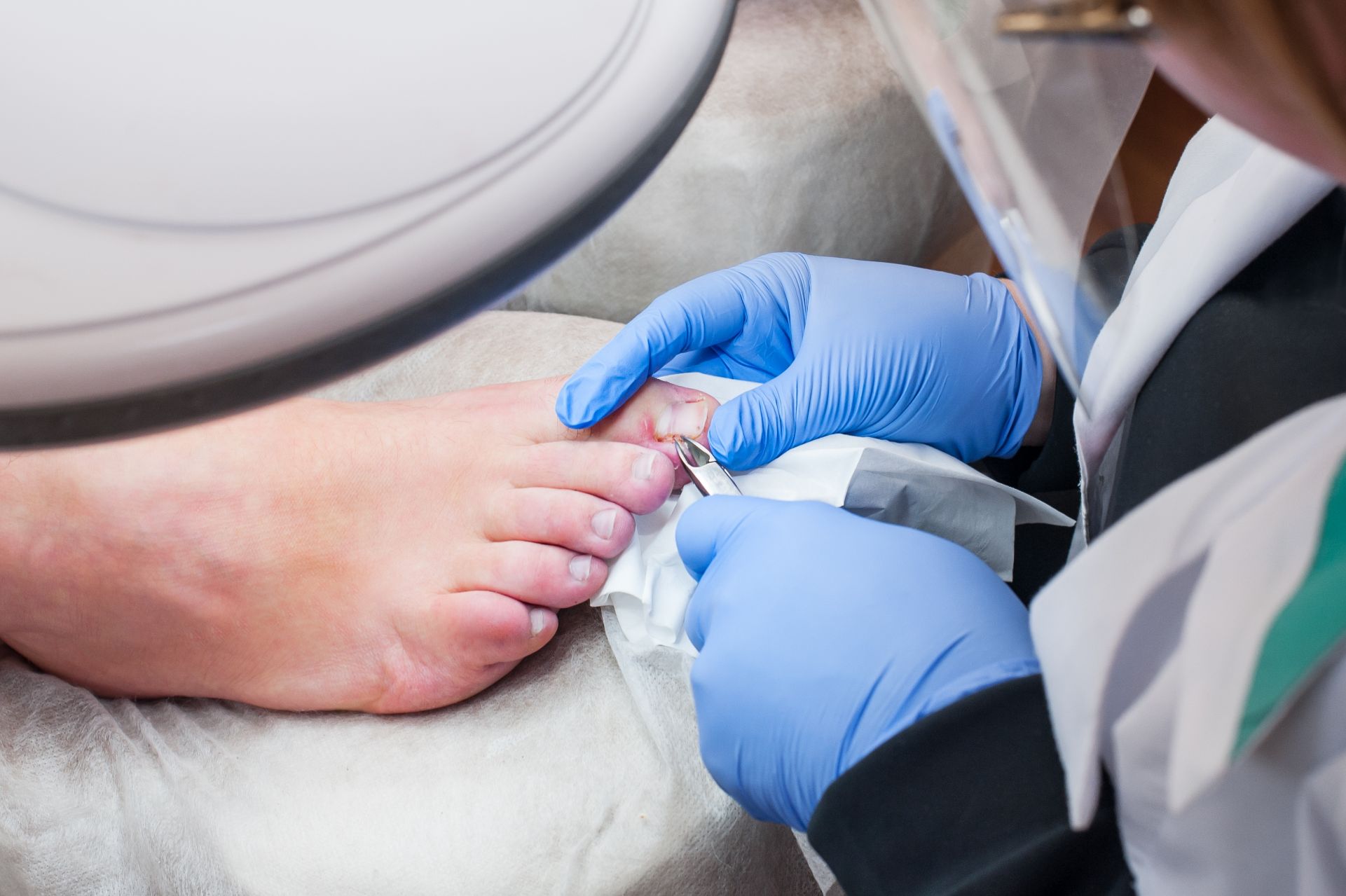
    If your ingrown toenails are infected or are on the more serious side, however, you might want to see a trusted podiatrist or clinic that specializes in foot care. As professionals, we can remove the ingrown toenail the right way.

    If you are experiencing an ingrown toenail, please call our office at (561) 809-2343 or contact us on our website.

    The Key Takeaway
    Caring for ingrown toenails requires you to constantly stay on top of the game. With utmost care and attention, by practicing foot hygiene and wearing the right shoes, you can avoid ingrown toenails from recurring.