Category: Foot & Ankle

  • Discover Lapiplasty – The Advanced Bunion Treatment for Lasting Foot Pain Relief

    Discover Lapiplasty – The Advanced Bunion Treatment for Lasting Foot Pain Relief

    One of the most common foot ailments faced by millions of individuals worldwide is the bunion, a bony bump that forms on the joint at the base of the big toe. Bunions can cause considerable pain, discomfort, and difficulty in walking and performing daily activities. Traditional surgical treatments, such as osteotomy, have provided some relief; however, these approaches tend to address the symptoms rather than the root cause of the problem. As a result, patients often continue to experience pain and recurrence of the bunions post-surgery.

    This is where Lapiplasty—an innovative, advanced surgical technique for bunion treatment—takes center stage. This groundbreaking 3D bunion correction procedure offers renewed hope to those suffering from persistent bunions and foot pain. Unlike traditional methods, Lapiplasty specifically targets the root cause of bunions, providing patients with long-lasting relief and an improved quality of life.

    In this in-depth blog, we will explore the world of Lapiplasty, discussing its unique benefits, the science behind the procedure, and how it surpasses conventional surgical techniques in delivering meaningful, lasting results for patients. Throughout the article, we will explain the underlying biomechanical principles that guide Lapiplasty and how this approach aims to revolutionize the field of bunion treatment.

    Whether you’re a patient seeking solutions for your bunion issues or an individual interested in the latest advancements in podiatry, this informative blog post will provide valuable insights into the potential of Lapiplasty to transform bunion care and improve overall patient outcomes.

    Understanding the Root Cause of Bunions: A Foundational Perspective

    1. The Biomechanics of Bunion Formation

    Bunions develop as a result of an unstable joint in the foot, which causes misalignment of the bones in the big toe. This condition often leads to a bulging bump on the side of the joint, producing chronic pain, inflammation, and further joint deformity. Understanding the biomechanics of bunion formation is fundamental to devising effective treatments that target the underlying problem instead of merely the symptoms.

    How Lapiplasty Addresses the Root Cause: A Revolutionary Approach

    1. The Three-Dimensional Bunion Correction

    Traditional bunion surgeries often involve cutting and repositioning the bones in the big toe to address the visible deformity. However, these methods may fall short in correcting the underlying metatarsal joint instability. Lapiplasty, on the other hand, offers a revolutionary approach by focusing on three-dimensional bunion correction. The procedure involves realigning the unstable metatarsal bone in all three planes, thus addressing the root cause of the bunion deformity.

    2. Fixation and Rapid Recovery

    Lapiplasty involves using specialized plates and screws to securely fix the corrected metatarsal position, ensuring that the joint remains stable post-surgery. This advanced fixation technique allows for a faster recovery process and reduces the likelihood of bunion recurrence.

    3. Protecting Joint Function and Mobility

    Unlike traditional surgeries that may compromise joint function, Lapiplasty aims to preserve joint mobility in the big toe. By addressing the underlying joint instability and securing the metatarsal bone in its proper alignment, patients are more likely to enjoy improved joint function in the long term.

    The Remarkable Benefits of Lapiplasty: A Step Beyond Conventional Techniques

    1. Long-Lasting Bunion Relief

    By targeting the root cause of bunions rather than just managing the symptoms, Lapiplasty offers patients a greater chance of achieving permanent foot pain relief. This innovative procedure significantly reduces the risk of bunion recurrence compared to traditional surgical techniques.

    2. Rapid Recovery and Weight-Bearing Ability

    One of the most appealing aspects of Lapiplasty is the quick recovery process. The advanced fixation method used in this procedure allows patients to begin bearing weight on their foot soon after surgery, typically within a few days, enabling them to return to their normal activities much faster than with traditional bunion treatments.

    3. Minimal Impact on Joint Mobility

    Preserving joint mobility for patients is a top priority in Lapiplasty. The procedure realigns the metatarsal joint in a way that maintains its function and ensures ongoing mobility. This not only helps to alleviate pain but also supports the long-term maintenance of joint health.

    Conclusion

    Lapiplasty is a groundbreaking solution in the world of bunion treatment – one that has the potential to substantially improve the lives of those suffering from persistent bunions and foot pain. By focusing on the root cause of the problem, this revolutionary 3D bunion correction procedure promises lasting pain relief, improved joint function, and enhanced overall quality of life for patients.

    Experience the life-changing potential of a Lapiplasty procedure for bunion treatment and foot pain relief. Schedule a consultation with our expert podiatrists today and discover how this revolutionary procedure can change your life.

  • Unlocking the Potential of Shockwave Therapy for Foot and Ankle Conditions

    Unlocking the Potential of Shockwave Therapy for Foot and Ankle Conditions

    When it comes to treating foot and ankle conditions, the desire for minimally invasive, effective therapies that promote lasting pain relief and rapid recovery has led to the development of innovative treatment options. Shockwave therapy is a prime example of such an advanced technology, offering a non-invasive, safe, and effective alternative to traditional treatments for a variety of foot and ankle disorders.

    In this enlightening and informative blog, we will delve into the science behind shockwave therapy, explain how it works, and discuss its applications in the treatment of common foot and ankle conditions like plantar fasciitis, Achilles tendonitis, and more. We will also highlight the advantages of this cutting-edge technology—including shorter treatment durations, reduced side effects, and faster recovery times—making it an appealing solution for those in search of therapies with minimal disruption to their lives.

    Whether you’re a patient seeking an alternative treatment option for your foot and ankle condition or someone interested in the latest advancements in the field of podiatry, this comprehensive exploration of shockwave therapy provides valuable insights into its potential to enhance patient outcomes and transform modern foot and ankle care. By the end of the article, you’ll have a deeper understanding of how shockwave therapy works, its applications and benefits, and how it can help patients regain their mobility and live pain-free lives.

    How Shockwave Therapy Works: The Science behind the Treatment

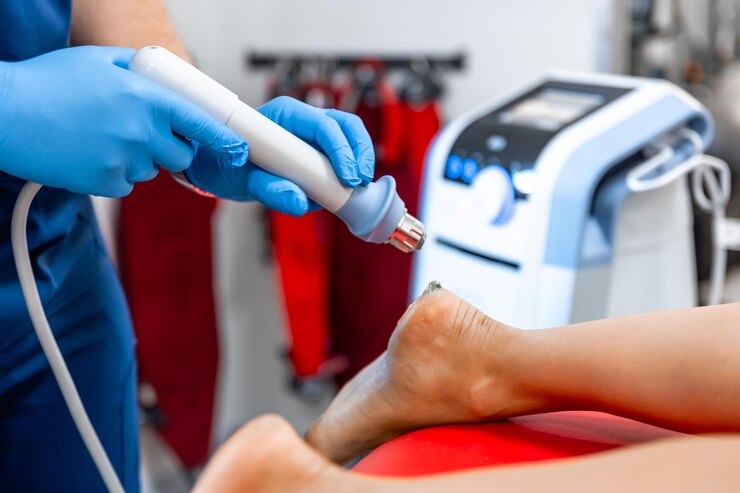
    Shockwave therapy utilizes high-energy sound waves to stimulate the body’s natural healing processes. These waves are focused and directed into the affected area, promoting increased blood flow, tissue regeneration, and the release of pain-relieving substances. This non-invasive approach accelerates the healing process while avoiding the potential risks and complications associated with more invasive treatments.

    Exploring the Applications of Shockwave Therapy for Foot and Ankle Conditions

    1. Plantar Fasciitis

    Plantar fasciitis is a common cause of heel pain that arises from inflammation and degeneration of the plantar fascia, a thick band of tissue that supports the arch of the foot. Shockwave therapy has been shown to be an effective treatment option, providing pain relief and promoting the healing of damaged tissue.

    2. Achilles Tendonitis

    Achilles tendonitis is an overuse injury characterized by pain, inflammation, and degeneration of the Achilles tendon, which connects the calf muscles to the heel bone. Shockwave therapy can offer patients a non-invasive alternative to traditional treatments, helping to reduce pain, swelling, and stimulate tendon repair.

    3. Other Foot and Ankle Conditions

    In addition to plantar fasciitis and Achilles tendonitis, shockwave therapy has been employed in the treatment of a wide range of other foot and ankle conditions, including heel spurs, chronic tendon pain, and non-healing fractures. This advanced technology can provide relief for patients who have not experienced success with more conventional therapies.

    The Benefits of Shockwave Therapy: Clinical Advantages and Improved Patient Outcomes

    1. Minimally Invasive Treatment

    One of the most appealing aspects of shockwave therapy is its non-invasive nature, which eliminates the need for incisions, general anesthesia, or lengthy recovery times associated with surgical procedures. This results in reduced risks of complications, infection, and scarring, making it an attractive option for patients and clinicians alike.

    2. Accelerated Recovery Times

    Shockwave therapy can shorten the duration of treatment and recovery compared to other modalities. By promoting the body’s natural healing processes, patients often experience relief more quickly and can return to their regular activities sooner than with traditional therapeutic approaches.

    3. Reduced Side Effects

    Shockwave therapy is generally well-tolerated, with minimal side effects. Some patients may experience mild discomfort during the treatment, but this typically subsides shortly after the session. The non-invasive nature of the procedure also helps to minimize the risk of complications or adverse reactions.

    4. Longer-Lasting Results

    Clinical studies have demonstrated that shockwave therapy offers long-lasting results for many patients, with some individuals reporting pain relief and improved function for up to a year following treatment. This extended duration of therapeutic benefit can help patients maintain their quality of life and minimize the need for ongoing care.

    Conclusion:

    Shockwave therapy represents a promising leap forward in the treatment of foot and ankle conditions, offering a safe, effective, and minimally invasive alternative to traditional therapies. By harnessing the power of focused sound waves to stimulate the body’s natural healing processes, this advanced technology holds immense potential to revolutionize the field of podiatry and improve patient outcomes significantly.

    Experience the transformative potential of shockwave therapy for your foot and ankle conditions only at The Foot & Ankle Clinic. Schedule a consultation with our expert podiatrists and discover the benefits of this advanced treatment solution for yourself.

  • Lapiplasty: The Advanced Solution to Correcting Bunion Deformities

    Lapiplasty: The Advanced Solution to Correcting Bunion Deformities

    Bunions are a common yet painful foot deformity characterized by a bony bump at the base of the big toe, leading to misalignment, discomfort, and limited mobility. While conservative treatments can provide temporary relief, many individuals with bunions eventually require surgical intervention to address the underlying structural issues and restore proper foot function. Traditional bunion surgery, however, has its limitations and is not always the most effective long-term solution.

    At The Foot and Ankle Clinic, we stay at the forefront of podiatric advancements to provide our patients with the most effective and minimally invasive treatment options for various foot and ankle conditions. One such groundbreaking solution for bunion deformities is Lapiplasty, a cutting-edge, three-dimensional approach to surgical bunion correction that provides more comprehensive and lasting results compared to traditional options.

    In this in-depth article, we will explore the benefits of Lapiplasty, discuss how it differs from traditional bunion surgery, and explain what to expect during the procedure and recovery process. Our experienced podiatrist is committed to delivering individualized care and advanced treatment options to help you overcome bunion pain and discomfort, regain your mobility, and enjoy a better quality of life.

    Understanding Bunions and Their Causes

    1. What is a Bunion?

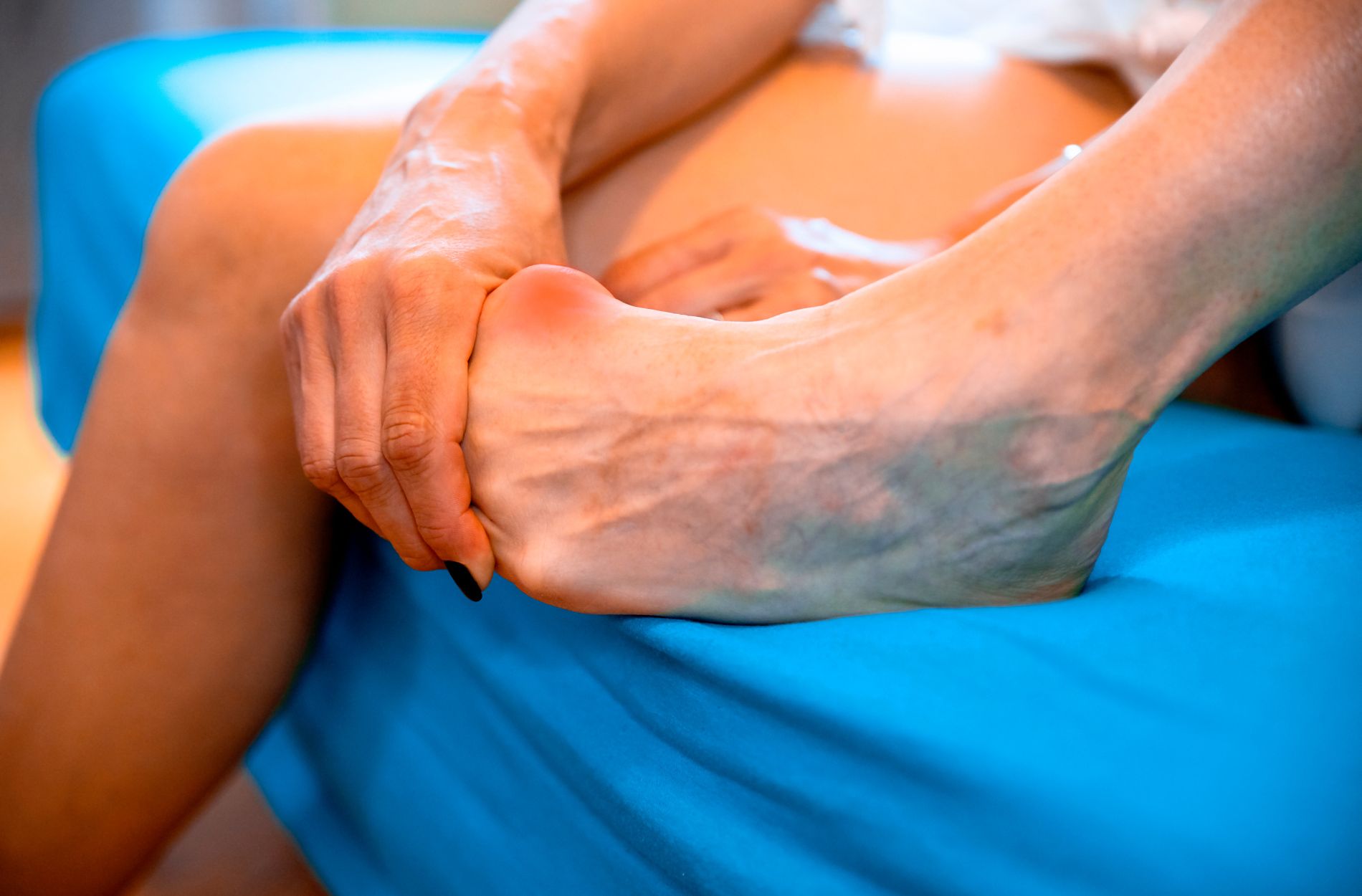
    A bunion is a bony protrusion that forms at the base of the big toe due to misalignment of the metatarsophalangeal (MTP) joint and the first metatarsal bone. This deformity can cause the big toe to lean towards the other toes, leading to pressure, inflammation, and pain.

    2. Causes of Bunions

    Primary factors contributing to the development of bunions include genetics, foot structure, and biomechanics. Additionally, wearing tight or ill-fitting shoes can exacerbate the condition, as can certain medical conditions, such as arthritis and neuromuscular disorders.

    Lapiplasty: A Superior Approach to Bunion Correction

    1. Addressing the Root Cause: Three-Dimensional Correction

    Traditional bunion surgery, known as an osteotomy, typically focuses on correcting the bunion in two dimensions by shaving off the bony protrusion and cutting and shifting the first metatarsal bone. In contrast, Lapiplasty addresses the underlying cause of the deformity by realigning the metatarsal bone in three dimensions, resulting in a more comprehensive and stable correction.

    2. Faster Recovery and Weight-Bearing

    One significant advantage of Lapiplasty over traditional bunion surgery is a more rapid recovery process. With Lapiplasty, patients can typically start bearing weight on the affected foot within days of the procedure, as opposed to several weeks with traditional osteotomy surgery. This enables patients to return to regular activities more quickly and with less discomfort.

    3. Reduced Risk of Recurrence

    By addressing the root cause of the bunion deformity – an unstable MTP joint – Lapiplasty provides a more enduring solution with a lower risk of bunion recurrence compared to traditional surgical methods.

    What to Expect During the Lapiplasty Procedure and Recovery

    1. The Procedure

    During the Lapiplasty procedure, your podiatrist will realign your first metatarsal bone and MTP joint in three dimensions while preserving most of your bone structure. Once the alignment is corrected, they will use specialized plates and screws to secure the bones in their new position, providing ample stability and allowing for early weight-bearing.

    2. Anesthesia and Surgery Duration

    Lapiplasty is usually performed under local or regional anesthesia with sedation, ensuring your comfort throughout the procedure. The surgery typically lasts between one to two hours, depending on the complexity of your bunion deformity.

    3. Postoperative Care and Rehabilitation

    In the initial days following the procedure, it is crucial to follow your podiatrist’s postoperative care instructions, which may include rest, elevation, and icing of the foot. You will gradually transition from wearing a surgical boot to a walking boot and, eventually, regular footwear.

    Physical therapy and gentle stretching exercises may be recommended to help restore strength, flexibility, and range of motion in your foot and ankle. The total recovery time varies based on individual circumstances, but most patients can return to their daily activities in four to six weeks.

    Conclusion

    Lapiplasty is an advanced, three-dimensional approach to bunion correction that offers numerous advantages over traditional surgical methods, including a more comprehensive and stable correction, faster recovery, and reduced risk of recurrence. If you suffer from bunion pain and discomfort, consider exploring the cutting-edge Lapiplasty procedure as a viable solution to improve your quality of life and restore your foot function.

    At The Foot and Ankle Clinic, our expert podiatrists are committed to providing the latest and most effective treatment options, such as foot Lapiplasty, to help you overcome foot and ankle conditions in a comfortable and caring environment. Say goodbye to bunion pain and discomfort with Lapiplasty. Schedule your consultation with our expert podiatrists today for a comprehensive and effective solution to bunion correction!

  • Achilles Tendonitis: Causes, Symptoms, and Effective Treatment Options

    Achilles Tendonitis: Causes, Symptoms, and Effective Treatment Options

    Achilles tendonitis, a painful and persistent inflammation of the Achilles tendon, can impede your daily activities and reduce your overall quality of life. This vital tendon connects your calf muscles to your heel bone, allowing you to extend your foot and engage in various activities, including walking, running, and jumping. As one of the most frequently injured tendons in the lower extremities, it is essential to be aware of the causes, symptoms, and potential treatment options available for Achilles tendonitis.

    We are dedicated to providing comprehensive care for the full spectrum of foot and ankle conditions, including Achilles tendonitis. Our experienced team of podiatrists offers various innovative treatment solutions, ranging from conservative therapies to cutting-edge modalities, such as shockwave therapy. We strive to provide personalized, effective care for our patients in a warm and inviting atmosphere, helping you to overcome Achilles tendonitis and enjoy an active lifestyle once more.

    In this article, we will discuss the common causes and symptoms of Achilles tendonitis, explore various treatment options, and guide you through the recovery process to help you make informed decisions about your health and well-being.

    Understanding the Causes of Achilles Tendonitis

    1. Overuse and Strain

    One of the primary causes of Achilles tendonitis is overuse and strain of the tendon. Repetitive stress on the tendon, such as frequent running or jumping, can lead to micro-tears and chronic inflammation.

    2. Tight Calf Muscles or Poor Flexibility

    Tight calf muscles or poor flexibility can place added stress on the Achilles tendon, increasing the risk of tendonitis.

    3. Improper Footwear or Technique

    Wearing shoes that lack proper support or practicing poor running techniques can contribute to the development of Achilles tendonitis.

    4. Anatomical Factors and Age

    Certain anatomical factors, such as flat feet or high arches, can place added stress on the Achilles tendon. Additionally, the risk of developing tendonitis increases with age as tendons lose their flexibility and become less capable of withstanding repetitive stresses.

    Recognizing the Symptoms of Achilles Tendonitis

    1. Pain and Stiffness

    Achilles tendonitis typically presents as pain and stiffness in the back of the heel, which often worsens with activity. It may also be accompanied by swelling or a sensation of warmth in the affected area.

    2. Limited Range of Motion

    Individuals with Achilles tendonitis may experience limited range of motion in the ankle or difficulty walking, particularly in the morning or after physical activity.

    3. Tenderness and Swelling

    The area around the Achilles tendon may be tender to the touch, and swelling may occur as a result of inflammation.

    4. Crepitus or “Creaking” Sensation

    In some cases, people with Achilles tendonitis may experience a “crepitus” or creaking sensation, which is caused by the inflammation and thickening of the tendon tissue.

    Treatment Options for Achilles Tendonitis at The Foot & Ankle Clinic

    1. Rest, Ice, Compression, and Elevation (RICE)

    The initial treatment for Achilles tendonitis often involves a combination of rest, ice, compression, and elevation (RICE) to help alleviate pain and reduce swelling.

    2. Anti-inflammatory Medications

    Over-the-counter anti-inflammatory medications, such as ibuprofen, can help reduce inflammation and relieve pain associated with Achilles tendonitis.

    3. Physical Therapy and Stretching Exercises

    Physical therapy and stretching exercises may be recommended to improve flexibility, strengthen the tendon, and prevent future injury.

    4. Orthotics and Supportive Footwear

    Proper footwear and the use of orthotic devices can provide additional support, correct alignment issues, and alleviate stress on the Achilles tendon.

    5. Shockwave Therapy

    For persistent or severe cases, our clinic offers advanced treatment options, such as extracorporeal shockwave therapy (ESWT), which delivers focused, high-energy shockwaves to the affected area, stimulating the body’s natural healing process.

    The Road to Recovery: What to Expect

    Achilles tendonitis recovery time varies depending on the severity of the condition and the effectiveness of the chosen treatment. Generally, it may take several weeks to months for the tendon to heal completely. Your podiatrist will closely monitor your progress and make adjustments to your treatment plan as needed. With appropriate care, most individuals can return to their favorite activities and enjoy a pain-free lifestyle.

    Conclusion

    Achilles tendonitis is a common condition that can cause significant pain and discomfort, limiting your daily activities and impacting your quality of life. At The Foot & Ankle Clinic, our experienced team of podiatrists in Wellington is committed to delivering comprehensive care and advanced treatment options to help you overcome Achilles tendonitis and regain your mobility. With personalized guidance and support, we aim to aid you in achieving a lasting recovery. Don’t let Achilles tendonitis hold you back. Schedule a consultation with our expert podiatrists today to find the most effective treatment option tailored to your specific needs!

  • Manage and Prevent Heel Pain with Expert Tips from our Podiatrists

    Manage and Prevent Heel Pain with Expert Tips from our Podiatrists

    Heel pain is an all-too-common issue affecting countless individuals, impacting daily activities, and causing discomfort while walking or even standing. Though there are various causes of heel pain, one of the most prevalent is plantar fasciitis, an inflammation of the fibrous band of tissue connecting the heel to the toes. Other common causes include Achilles tendonitis, heel spurs, or stress fractures. Finding relief from heel pain can be challenging and often requires a comprehensive approach to both manage your symptoms and reduce the likelihood of future issues.

    In this informative blog, we will provide practical advice from our expert podiatrists on managing your heel pain, gaining deeper understanding of its common causes, and employing preventative measures to safeguard against future discomfort. Empowering you with knowledge and guidance, our aim is to give you the tools necessary to take control of your heel pain and walk with confidence and ease once again.

    Understanding the Common Causes of Heel Pain

    • Plantar Fasciitis: Plantar fasciitis is caused by inflammation of the plantar fascia, which is a band of tissue that connects the heel to the toes. This condition is more common in people who have high arches, flat feet, or tight calf muscles. Factors such as improper footwear, prolonged standing or walking, or sudden increases in activity can also contribute to the development of plantar fasciitis.
    • Achilles Tendonitis: Achilles tendonitis is the inflammation of the Achilles tendon, which attaches the calf muscles to the heel bone. This type of heel pain often occurs due to overuse, tight calf muscles, or improper footwear. Activities like running, jumping, and sudden accelerations can exacerbate the problem.
    • Heel Spurs: Heel spurs are bony growths that form on the heel bone, often caused by excessive strain on the foot muscles and ligaments, or the repeated tearing of the membrane that covers the heel bone. Risk factors for developing heel spurs include obesity, flat feet, high arches, and activities that stress the heel.
    • Stress Fractures: Stress fractures are small cracks in the bone that develop over time due to repetitive impact or stress. In the heel, stress fractures can result from activities like running, jumping, or walking on hard surfaces.

    Managing Heel Pain with Expert Techniques

    • Stretching and Strengthening Exercises: Regularly performing stretching and strengthening exercises can help alleviate heel pain caused by plantar fasciitis, Achilles tendonitis, and heel spurs. These exercises focus on improving flexibility in the calf muscles, plantar fascia, and surrounding areas to help decrease tension and reduce pain.
    • RICE Method: Rest, Ice, Compression, and Elevation: Applying the RICE (rest, ice, compression, and elevation) method can help minimize pain and inflammation associated with heel pain. Take a break from activity, apply ice to the affected area, use a compression bandage to reduce swelling, and elevate the foot to help decrease blood flow to the area and reduce inflammation.
    • Shoe Inserts and Orthotics: Wearing appropriate footwear with proper arch support can help alleviate heel pain. In some cases, custom orthotics may be recommended by your podiatrist to provide targeted support and cushioning to relieve pressure on the heel and promote proper foot mechanics.
    • Anti-inflammatory Medication: Over-the-counter anti-inflammatory medications, such as ibuprofen, can help reduce pain and inflammation associated with heel pain. However, it is essential to follow the recommended dosage instructions and consult your podiatrist before starting any new medication.

    Preventing Heel Pain and Promoting Long-Term Foot Health

    • Choose Proper Footwear: Selecting appropriate footwear is crucial in preventing heel pain. Choose shoes that fit well, provide adequate arch support, and have cushioning in the heel area. Opt for footwear designed specifically for your activity or sport to ensure it provides the necessary support.
    • Gradually Increase Activity Levels: When beginning a new exercise routine or increasing your physical activity, it’s essential to gradually increase the intensity and duration to avoid overloading your muscles and tendons. This help prevents heel pain caused by overuse or sudden changes in activity.
    • Maintain a Healthy Weight: Excess body weight can place additional stress on the feet, contributing to the development of heel pain. By maintaining a healthy weight, you can reduce the strain on your feet and decrease the likelihood of experiencing heel pain.
    • Incorporate Regular Foot Stretches and Exercises: Incorporating foot strengthening and stretching exercises into your daily routine can help improve flexibility, build strength, and prevent heel pain. Focus on exercises that target the calf muscles, plantar fascia, and surrounding areas to promote overall foot health.

    Conclusion

    Understanding the common causes of heel pain, utilizing expert techniques to manage discomfort, and implementing preventative measures can be crucial in addressing heel pain effectively and reducing its impact on your daily life. By educating yourself on these essential aspects of foot health, you can take charge of your heel pain and walk with confidence and comfort once again.

    Struggling with heel pain and looking for expert tips to manage and prevent it? Look no further than The Foot & Ankle Clinic, your trusted podiatrist in Wellington. Our team of expert podiatrists is committed to helping you achieve optimal foot health and wellness. Whether you’re dealing with plantar fasciitis, Achilles tendinitis, or any other form of heel pain, we have the knowledge and expertise to help you manage and prevent it. Schedule a consultation with our podiatrists today and take the first step towards optimal foot health.

  • Shockwave Therapy: A Non-Invasive Solution for Heel Pain and Achilles Tendonitis

    Shockwave Therapy: A Non-Invasive Solution for Heel Pain and Achilles Tendonitis

    Heel pain and Achilles tendonitis are common and often debilitating conditions that can severely impact your daily activities and overall quality of life. Traditional treatment methods, such as medications, rest, and physical therapy, may provide temporary relief, but they may not always be enough for patients seeking long-lasting, effective solutions. If you’re experiencing persistent heel pain or Achilles tendonitis symptoms, it’s essential to explore cutting-edge treatment options to regain your mobility and live a pain-free life.

    At The Foot & Ankle Clinic, we take pride in offering advanced therapies to address your foot and ankle problems. One such state-of-the-art treatment is extracorporeal shockwave therapy (ESWT), a non-invasive approach that has shown promising results for various podiatric conditions, including heel pain and Achilles tendonitis. ESWT works by delivering focused, high-energy shockwaves to the affected area, stimulating the body’s natural healing process and promoting faster tissue recovery.

    In this article, we will delve into the world of shockwave therapy, examining its benefits, applications, and what to expect during a session at The Foot & Ankle Clinic. Our experienced team of podiatrists is dedicated to providing you with cutting-edge treatments designed to alleviate your symptoms and get you back on your feet.

    Understanding the Benefits of Shockwave Therapy

    • Non-Invasive and Safe: ESWT is a non-invasive procedure that does not involve any surgery or incisions, significantly reducing the risk of infection and complications associated with invasive treatments.
    • Rapid and Long-lasting Relief: Shockwave therapy promotes your body’s natural healing response, leading to quicker recovery and long-lasting pain relief.
    • Minimal or No Downtime: With shockwave therapy, you can typically resume your daily activities shortly after the treatment, as it does not require the extended recovery times traditionally associated with surgical interventions.
    • Effective Alternative to Surgery: ESWT can be an ideal option for patients who have not experienced significant relief from conservative treatments and want to avoid surgery.

    Applications of Shockwave Therapy for Heel Pain and Achilles Tendonitis

    • Plantar Fasciitis: One of the most common causes of heel pain is plantar fasciitis, a condition in which the plantar fascia – a band of tissue that runs along the bottom of your foot and connects your heel to your toes – becomes inflamed. Shockwave therapy can help relieve pain and promote healing by increasing blood circulation and breaking down scar tissue in the affected area.
    • Achilles Tendonitis: Achilles tendonitis, an inflammation of the Achilles tendon, commonly causes pain and stiffness in the back of the heel. ESWT can help alleviate symptoms by promoting tissue regeneration and reducing inflammation in the tendon.
    • Calcaneal Spurs (Heel Spurs): Heel spurs are bony growths that develop on the heel bone, often causing sharp pain in the heel. Shockwave therapy can address this issue by targeting the area and helping to break down the spur, reducing pain and inflammation.
    • Other Applications: In addition to heel pain and Achilles tendonitis, shockwave therapy has been successfully used to treat various other musculoskeletal conditions, including tendon-related issues in the foot and ankle.

    What to Expect During a Shockwave Therapy Session at The Foot & Ankle Clinic

    • Evaluation and Diagnosis: Your podiatrist will assess your condition, discuss your medical history, and evaluate your symptoms to determine whether ESWT is the right treatment option for you.
    • Preparation: Once the treatment area is identified, a gel will be applied to your skin to ensure effective transmission of the shockwaves.
    • Shockwave Therapy Procedure: During the procedure, a handheld device will send a series of focused shockwaves to the targeted area. The intensity of these waves can be adjusted to ensure your comfort, and treatment duration typically lasts between 15-30 minutes.
    • Post-Treatment Care: Your podiatrist may suggest avoiding intense physical activities for a short period after your ESWT session. They may also provide you with specific at-home care instructions to ensure optimal healing and recovery.

    Conclusion

    Extracorporeal shockwave therapy offers a non-invasive, effective, and safe solution for individuals experiencing heel pain or Achilles tendonitis. At The Foot & Ankle Clinic, we are dedicated to offering cutting-edge treatment options and comprehensive care tailored to your individual needs, helping you achieve lasting pain relief and a better quality of life.

    Say goodbye to heel pain and Achilles Tendonitis with The Foot & Ankle Clinic’s shockwave therapy – a non-invasive solution that promotes faster healing and long-lasting relief. Book your appointment now and experience the benefits of our state-of-the-art technology and expert care. Take the first step towards pain-free living with our Shockwave Therapy. Contact us today and let us help you get back on your feet!

  • Expert Toenail Fungus Consultation and Treatment Solutions

    Expert Toenail Fungus Consultation and Treatment Solutions

    Toenail fungus, or onychomycosis, is a common yet often distressing condition that affects millions of individuals worldwide. Caused by various types of fungi, toenail fungus can lead to unsightly, thickened, discolored, and even painful toenails, which can significantly impact a person’s self-confidence and overall foot health.

    While over-the-counter treatment options and home remedies may provide temporary relief, they often fail to address the root cause of the infection, resulting in recurrent or persistent symptoms. Additionally, neglected or improperly treated toenail fungus can potentially lead to more serious complications, such as secondary bacterial infections or spreading to other nails or skin areas.

    In this article, we will delve into the details of a toenail fungus consultation at The Foot & Ankle Clinic, discuss the range of evidence-based treatment options available, and share valuable insights on maintaining fungus-free nails.

    What to Expect During a Toenail Fungus Consultation

    1. Detailed Assessment of Your Condition

    During your toenail fungus consultation, our skilled podiatrists will conduct a thorough examination of your infected toenail(s) to assess the severity of the fungal infection and identify any underlying conditions or factors that could exacerbate the problem.

    This examination may include a visual inspection of the affected nail(s) and surrounding skin areas, as well as taking samples of the nail and/or subungual debris for microscopic evaluation or fungal culture if necessary. This in-depth assessment lays the foundation for a highly personalized and effective treatment plan.

    2. Exploration of Treatment Options

    Based on the findings from the assessment, our team will present a variety of toenail fungus treatment options tailored to your specific needs. These options may range from targeted topical medications, oral antifungal drugs, to advanced treatments such as laser therapy. Our knowledgeable podiatrists will explain the pros and cons of each treatment option, allowing you to make an informed decision about your care plan.

    3. Collaborative Care and Follow-Up

    We firmly believe in a collaborative approach to care, which involves working closely with you throughout the treatment process to monitor progress, address any concerns, and make any necessary adjustments to your plan. Regular follow-up appointments will be scheduled to ensure the effectiveness of the chosen treatment and maintain an open line of communication, ensuring optimal results from your toenail fungus intervention.

    Evidence-Based Treatment Options for Toenail Fungus

    1. Topical Antifungal Medications

    Topical antifungal medications are typically recommended for mild to moderate toenail fungus infections. Available in various formulations including creams, ointments, and nail lacquers, these medications target the infecting fungi directly. Although topical treatments can be effective, they may require several months of consistent application and may not always penetrate deeply enough to eradicate the infection entirely.

    2. Oral Antifungal Drugs

    Oral antifungal drugs, such as terbinafine or itraconazole, are a more potent option for moderate to severe toenail fungus infections. These medications work systemically, treating the infection from within and promoting the growth of a healthy, fungus-free nail. A typical course of oral antifungal therapy lasts for several months, and potential side effects or drug interactions should be discussed with your podiatrist.

    3. Laser Therapy

    Laser therapy is a state-of-the-art, non-invasive option for treating toenail fungus that has demonstrated promising results in some clinical studies. This technology utilizes focused laser energy to destroy the fungal cells without damaging the surrounding healthy tissues. Laser therapy sessions are usually quick, painless, and have minimal side effects, making it an attractive option for those seeking an alternative to traditional medications.

    Prevention Tips for Maintaining Healthy, Fungus-Free Nails

    1. Practice Good Foot Hygiene

    Regularly cleaning your feet and nails, keeping toenails trimmed and filed, and changing your socks daily can significantly reduce the risk of fungal infections.

    2. Choose Breathable Footwear

    Wearing shoes made of breathable materials, such as canvas or leather, helps keep your feet dry and less conducive to fungal growth.

    3. Protect Your Feet in Public Spaces

    Use shower shoes or flip-flops in communal areas like gyms, locker rooms, and public pools to prevent direct contact with fungus-prone surfaces.

    4. Avoid Sharing Personal Items

    Sharing items like towels, shoes, or nail clippers can facilitate the spread of fungal infections between individuals. Ensure you have your set of foot care tools and keep them clean.

    Final Thoughts

    A comprehensive toenail fungus consultation is the first crucial step toward effective treatment and lasting relief. At The Foot & Ankle Clinic, our team of expert podiatrists is dedicated to providing top-quality care and personalized treatment plans for toenail fungus patients, ensuring optimal outcomes and happy, healthy feet.

    Say goodbye to unsightly and uncomfortable toenail fungus. Schedule a comprehensive consultation with our expert podiatrist in Wellington to start your journey toward healthier, happier feet today!

  • Toenail Fungus Consultation: Take the First Step to Clear, Healthy Nails

    Toenail Fungus Consultation: Take the First Step to Clear, Healthy Nails

    Toenail fungus, also known as onychomycosis, is a common problem that affects millions of people worldwide. This persistent and unsightly condition can lead to thickened, discolored, and brittle nails, negatively impacting an individual’s self-esteem and overall quality of life. With numerous over-the-counter and home remedies available, it may be tempting to self-diagnose and treat toenail fungus without seeking professional help. However, the best course of action to address this issue and achieve lasting results is to schedule a comprehensive toenail fungus consultation with an experienced podiatrist.

    In this article, we will emphasize the importance of a thorough toenail fungus consultation and outline the process of identifying the problem and selecting the most appropriate treatment options. By arming you with knowledge and understanding of the various factors contributing to toenail fungus, we aim to empower you to take control of your nail health and work towards clear, healthy nails.

    Comprehensive Toenail Fungus Consultation – The First Step Towards Healthy, Clear Nails

    The Importance of a Toenail Fungus Consultation

    1. Accurate Diagnosis

    One of the primary reasons to schedule a toenail fungus consultation is to obtain an accurate diagnosis from an expert podiatrist. A variety of conditions can cause symptoms that closely resemble toenail fungus, including nail trauma, bacterial infections, or even skin conditions like psoriasis. Obtaining a precise diagnosis is crucial in determining the appropriate treatment and maximizing your chances of achieving healthy nails.

    2. Identifying Underlying Causes

    Toenail fungus can be caused by several factors, such as a weakened immune system, poor foot hygiene, or exposure to damp environments. During a consultation, your podiatrist will scrutinize your medical history, lifestyle habits, and any potential risk factors that could contribute to your toenail problems. By unraveling the root causes, your podiatrist can develop a tailored treatment plan that addresses not only the symptoms but also the underlying issues.

    Customized Treatment Options for Toenail Fungus

    1. Topical and Oral Medications

    Following an accurate diagnosis and identification of underlying causes, your podiatrist may recommend topical or oral antifungal medications. Topical treatments, such as prescription-strength nail lacquers, are applied directly to the affected nails and surrounding skin. Oral medications, on the other hand, offer a systemic approach to combat the fungal infection. Depending on the severity of your toenail fungus, a combination of topical and oral treatments may be prescribed to optimize your healing process.

    2. Laser Therapy

    For those with more advanced or resistant toenail fungus, laser therapy may be considered as a treatment option. Cutting-edge laser technology effectively penetrates the nail plate, targeting and eliminating the fungus without damaging the surrounding tissue. This non-invasive approach has minimal side effects, is painless, and requires no downtime, making it an attractive option for many patients.

    3. Debridement and Nail Removal

    In severe cases where the toenail has become extremely thick and painful, your podiatrist may recommend debridement or partial nail removal. Debridement involves the careful trimming and filing of the thickened, infected nail to alleviate pressure and discomfort. Partial nail removal allows for the application of topical antifungal treatments directly to the nail bed, enhancing the effectiveness of the therapy and promoting healthy nail growth.

    Preventing Toenail Fungus Recurrence

    1. Adopting Healthy Foot Hygiene Practices

    Maintaining proper foot hygiene is paramount in preventing toenail fungus recurrence. Key practices include washing your feet daily, thoroughly drying them (especially between the toes), and wearing breathable footwear and moisture-wicking socks. By creating a less welcoming environment for fungal growth, you can significantly reduce your chances of experiencing another toenail fungus outbreak.

    2. Regular Podiatric Checkups

    Scheduling regular podiatric checkups is essential in monitoring your nail health and catching any signs of fungal infection early. Your podiatrist can assess any changes in your nails and develop a proactive plan to address any developing issues.

    Conclusion

    A comprehensive toenail fungus consultation with an expert podiatrist is the first and most crucial step towards healthy, clear nails. By obtaining an accurate diagnosis, identifying underlying causes, and selecting the most appropriate treatment options, you are paving the way toward achieving and maintaining beautiful, healthy nails. Don’t allow toenail fungus to impact your life anymore – take control of your nail health and reclaim your confidence with the help of professional podiatry care.
    Don’t let toenail fungus hold you back any longer! Schedule a comprehensive toenail fungus consultation with our expert podiatrist in Wellington to embark on your journey toward clear, healthy nails. Get in touch with us at The Foot & Ankle Clinic today!

  • Lapiplasty for Bunions: Discover a Revolutionary Approach to Bunion Treatment

    Lapiplasty for Bunions: Discover a Revolutionary Approach to Bunion Treatment

    Bunions, a common foot deformity affecting millions, can be painful, unsightly, and cause discomfort during daily activities and while wearing shoes. Traditional bunion surgery options only address the problem in a two-dimensional manner, often resulting in recurrence and ongoing foot issues. At our renowned podiatry clinic, we believe that our patients deserve the best possible care and lasting results. That’s why we proudly offer Lapiplasty, a revolutionary 3D bunion correction technique that is changing the landscape of bunion treatment.

    In this comprehensive article, we will discuss the causes of bunions, the limitations of traditional bunion surgery, and the groundbreaking Lapiplasty procedure that sets a new standard for bunion treatment. By exposing the mechanics of this advanced technique and explaining the benefits it brings cosmetically and functionally, we aim to help you make an informed decision about your bunion correction options.

    Lapiplasty – A Modern Solution to Bunion Correction and Lasting Results

    Understanding Bunions and Traditional Treatment Limitations

    1. The Causes of Bunions

    Bunions, medically known as hallux valgus, are bony bumps that form at the base of the big toe joint as a result of misaligned bones and instability in the foot. Several factors contribute to the development of bunions, including genetic predisposition, footwear choices, arthritis, and certain foot injuries. As the deformity progresses, the big toe begins to lean towards the other toes, causing pressure, pain, and difficulty in finding suitable footwear.

    2. Traditional Bunion Surgery and Its Drawbacks

    Traditional bunion surgery primarily focuses on removing the bony prominence and realigning the big toe. These procedures, such as the “osteotomy” technique, involve cutting and repositioning the bones to reshape the joint and lessen the deformity. However, despite being performed for decades, these surgeries often only address the problem in two dimensions, neglecting the root cause of the bunion, which is the unstable, misaligned metatarsal in the frontal plane. As a result, many patients may experience bunion recurrence and ongoing complications.

    The Transformative Power of Lapiplasty

    1. A Three-Dimensional Solution

    Lapiplasty, a cutting-edge bunion treatment, offers a three-dimensional solution to bunion correction by addressing the root cause of the problem. This procedure realigns the metatarsal bone in the frontal plane, thereby stabilizing the unstable joint and reducing the likelihood of bunion recurrence. Coupled with advanced fixation techniques that allow for quicker recovery and enhanced foot function, Lapiplasty is a game-changer in the field of bunion surgery.

    2. The Lapiplasty Procedure

    Performed by expert podiatrists, the Lapiplasty procedure begins with a thorough assessment of your foot and the severity of your bunion. Using state-of-the-art imaging systems, precise measurements of your bunion are taken to ensure accuracy during the surgery.

    During the procedure, your podiatrist will realign the metatarsal bone in the frontal plane and secure the corrected position using specialized titanium plates and screws. This eliminates the deformity at its source and ensures lasting results. The entire procedure typically takes 60-90 minutes and can be performed under general or regional anesthesia, depending on your preference and the advice of your surgeon.

    3. Post-Operative Recovery and Rehabilitation

    One of the significant advantages of Lapiplasty is its quicker recovery time as compared to traditional bunion surgery. Using advanced fixation techniques, many patients are allowed to bear weight on their foot within a few days to two weeks post-surgery. This rapid weight-bearing capability aids in faster recovery and return to daily activities.

    Your podiatrist will work closely with you throughout your recovery and rehabilitation process, providing guidance on appropriate footwear, exercises, and mobility to ensure optimal healing. Regular follow-up appointments will be scheduled to monitor your progress and make necessary adjustments to your recovery plan.

    Maximizing the Benefits of Lapiplasty

    1. Selecting an Experienced Podiatrist

    Lapiplasty is a specialized procedure requiring a skilled and knowledgeable podiatrist. By selecting an experienced and reputable surgeon, you maximize the chances of achieving a successful and lasting outcome for your bunion correction.

    2. Following Post-Operative Instructions

    Adhering to your podiatrist’s post-operative instructions is crucial for a smooth and successful recovery. Taking care of your surgical site, wearing the recommended footwear, and following any prescribed exercises help ensure optimal healing and long-lasting results.

    Conclusion

    Lapiplasty has transformed the realm of bunion treatment by providing a truly three-dimensional solution that addresses the root cause of bunions, promises lasting results, and enables quicker recovery. By understanding the revolutionary nature of this procedure and the benefits it brings, you can make an informed decision about your bunion correction options and take the first steps toward lasting relief from bunion pain.

    Gain freedom from bunion pain and experience the lasting results of foot Lapiplasty. Schedule a consultation with our expert podiatrists at The Foot & Ankle Clinic today to learn more about this revolutionary bunion correction technique.

  • Expert Toenail Fungus Consultation and Advanced Treatment at The Foot and Ankle Clinic

    Expert Toenail Fungus Consultation and Advanced Treatment at The Foot and Ankle Clinic

    Toenail fungus, medically known as onychomycosis, is a common condition that affects millions of people worldwide. This persistent and often unsightly infection is caused by various types of fungi that invade the nail bed, leading to discoloration, thickening, and brittleness of the affected nails. If left untreated, toenail fungus can cause pain, spread to other nails, or even lead to more severe complications, especially for individuals with pre-existing conditions such as diabetes or compromised immune systems.

    At The Foot and Ankle Clinic, our team of expert podiatrists is dedicated to providing comprehensive care for all your foot and ankle concerns, including toenail fungus. We offer state-of-the-art diagnostic methods and advanced treatment options designed to eliminate the infection and restore the health and appearance of your nails effectively. Through our personalized and professional approach, we are committed to delivering the highest quality of care and ensuring the best possible outcomes for our patients.

    In this article, we will explore the causes and symptoms of toenail fungus and discuss the cutting-edge treatment options available at The Foot and Ankle Clinic, which provide effective, long-lasting results.

    Understanding the Causes of Toenail Fungus

    1. Fungi Types and Common Causes

    Toenail fungus is predominantly caused by dermatophytes, a type of fungi that thrive in warm, moist environments like public swimming pools, showers, and locker rooms. Other causes of toenail fungus include yeast (Candida) and non-dermatophyte molds, which typically affect individuals with weakened immune systems or underlying health issues.

    2. Risk Factors

    Certain factors increase the likelihood of developing toenail fungus. These include:

    – Age: The risk of toenail fungus increases with age as nails become more brittle and crack-prone.

    – Sweaty Feet: Excessive sweating creates a moist environment, promoting fungal growth.

    – Foot Injury: Damaged nail beds or cuts in the skin can provide an entry point for fungi.

    – Athlete’s Foot: Tinea pedis (athlete’s foot) is a fungal infection that can spread from the skin to the nails.

    – Weakened Immune System: Individuals with diabetes or weakened immune systems are more susceptible to infections, including toenail fungus.

    Recognizing the Symptoms of Toenail Fungus

    1. Discoloration

    Affected nails may exhibit white or yellow streaks or take on a brownish or greenish hue.

    2. Thickening and Distortion

    Toenail fungus often causes affected nails to thicken and become distorted in shape.

    3. Brittleness

    Fungal-infected nails may become brittle, resulting in crumbling or splitting.

    4. Foul Smell

    In some cases, toenail fungus can cause an unpleasant odor due to the underlying infection.

    Cutting-Edge Treatment Options for Toenail Fungus

    1. Oral Antifungal Medications

    Oral antifungal medications are commonly prescribed to treat fungal nail infections. These medications help promote the growth of a healthy nail while gradually eliminating the infection.

    2. Topical Antifungal Treatments

    Topical treatments, such as antifungal nail lacquer or creams, can be applied directly to the infected nails. However, these treatments may be less effective for severe infections or thickened nails.

    3. Laser Therapy

    At The Foot and Ankle Clinic, we offer cutting-edge laser therapy for the treatment of toenail fungus. This FDA-approved technology targets and destroys the fungi within the nail while leaving the surrounding tissue unharmed. Laser therapy is a quick, painless, and effective option, often requiring multiple sessions for optimal results.

    4. Surgical or Mechanical Removal

    In severe cases, your podiatrist may recommend surgical or mechanical removal of the infected nail. This method is typically reserved for cases where other treatment options have proven ineffective or in cases of severe pain or deformity.

    Preventing Toenail Fungus Recurrence

    1. Maintain Good Foot Hygiene

    Regularly washing, drying, and applying antifungal powder to your feet can help prevent fungal infections.

    2. Choose Breathable Footwear

    Opt for shoes made from moisture-wicking materials and avoid wearing the same pair of shoes daily.

    3. Wear Protective Footwear

    When using public facilities like gyms, pools, or locker rooms, wear flip-flops or sandals to minimize your exposure to fungi.

    4. Trim Nails Properly

    Trim your toenails straight across and avoid cutting them too short, as this may create an entry point for fungi.

    Conclusion

    Toenail fungus is a common condition that can lead to discomfort and complications if left untreated. At The Foot and Ankle Clinic, our team of expert podiatrists is dedicated to providing comprehensive care for your foot and ankle concerns, including the diagnosis and treatment of toenail fungus. With state-of-the-art diagnostic tools and cutting-edge treatment options, we can help restore the health and appearance of your nails, allowing you to enjoy life without the burden of toenail fungus.

    Don’t let toenail fungus keep you from enjoying your life. Schedule a toenail fungus consultation with our expert podiatrists today to begin your journey towards healthy, beautiful nails!