Category: Foot & Ankle

  • Where to Buy Tolcylen Antifungal Solution

    Where to Buy Tolcylen Antifungal Solution

    Dealing with fungal infections can be frustrating and uncomfortable. If you’ve tried different treatments without success, Tolcylen Antifungal Solution might be the answer you need. This powerful solution targets the root causes of fungal infections and helps restore healthy nails quickly and effectively.

    Tolcylen Antifungal Solution is specifically designed to treat and prevent fungal infections on toenails and fingernails. Its unique formula not only eliminates fungus but also promotes nail renewal. This makes it a preferred choice for those looking to achieve clear, healthy nails once again.

    In this article, we will dive into what Tolcylen Antifungal Solution is and how it works. We’ll also discuss the benefits of using this treatment, where you can purchase it, and how to use it effectively for the best results. If you’re ready to say goodbye to stubborn fungal infections, read on to learn more about this fantastic product.

    What Is Tolcylen Antifungal Solution?

    Tolcylen Antifungal Solution is a medical-grade treatment designed to combat fungal infections on toenails and fingernails. It uses a unique formula that combines antifungal agents with nail renewal ingredients. This dual-action approach not only targets the fungus causing the infection but also helps restore the health and appearance of the affected nails.

    The active ingredient in Tolcylen is tolnaftate, an FDA-approved antifungal agent known for its effectiveness in treating fungal infections. Tolnaftate works by disrupting the structure of the fungal cells, which prevents them from growing and spreading. As the fungus is eliminated, the infection begins to clear up, and the nail can start to heal.

    Besides its antifungal properties, Tolcylen also contains urea and lactic acid, which help to soften and hydrate the nails. This makes it easier for the medication to penetrate deep into the nail bed, where the fungus often resides. Additional ingredients like hyaluronic acid and Vitamin E promote optimal nail health, helping to speed up the renewal process and improve the appearance of the affected nails.

    With its comprehensive approach to both treatment and nail care, Tolcylen Antifungal Solution is a reliable and effective option for tackling stubborn fungal infections.

    Benefits of Using Tolcylen Antifungal Solution

    Tolcylen Antifungal Solution offers several key benefits that make it an attractive choice for anyone dealing with fungal nail infections. Here are some of the main advantages:

    1. Effective Antifungal Action: The primary benefit of Tolcylen is its ability to effectively kill the fungus that causes nail infections. Its active ingredient, tolnaftate, is proven to eliminate fungi, providing rapid relief from symptoms.

    2. Nail Renewal: In addition to treating the infection, Tolcylen helps restore the health and appearance of your nails. Ingredients like urea and lactic acid soften the nail, making it easier for the medication to penetrate, while other ingredients promote healing and renewal.

    3. Ease of Use: Tolcylen comes in an easy-to-apply applicator, making the treatment process straightforward. There’s no need for complicated steps or procedures, which means you can apply it quickly and conveniently.

    4. Minimal Side Effects: Tolcylen is designed to be gentle on your nails and skin. It is less likely to cause irritation compared to some other treatments, making it a good option for those with sensitive skin.

    5. Proven Results: Users often see visible improvements in their nail health within weeks of consistent use. This makes Tolcylen a reliable choice for those looking to achieve clear, healthy nails.

    By offering a blend of antifungal treatment and nail care, Tolcylen provides a comprehensive solution that addresses both the symptoms and the underlying causes of fungal nail infections. With its proven effectiveness and ease of use, it’s an excellent option for anyone seeking to treat and prevent fungal infections.

    Where to Buy Tolcylen Antifungal Solution

    When looking to buy Tolcylen Antifungal Solution, you have several options available. One of the best places to purchase this effective treatment is The Foot & Ankle Clinic. By getting it directly from a trusted podiatry clinic, you can be assured of the product’s authenticity and quality.

    You can easily purchase Tolcylen Antifungal Solution from The Foot & Ankle Clinic’s website. This convenient option allows you to order from the comfort of your home. Simply visit our product page and add the solution to your cart. You’ll find all the information you need about the product, including its benefits and usage instructions.

    Additionally, Tolcylen might also be available at other pharmacies and online retailers. However, purchasing from The Foot & Ankle Clinic ensures that you are getting a product recommended by podiatry experts who understand your foot health needs. This adds an extra layer of confidence to your purchase, knowing that you are using a product approved by professionals.

    How to Use Tolcylen Antifungal Solution Effectively

    Using Tolcylen Antifungal Solution correctly is crucial for achieving the best results. Here are some practical tips and step-by-step instructions to help you get the most out of your treatment:

    1. Clean the Affected Area: Before applying Tolcylen, ensure that the affected nail and surrounding skin are clean and dry. Use mild soap and water to clean the area, and then pat it dry with a towel.

    2. Apply the Solution: Unscrew the cap from the Tolcylen bottle and squeeze a small amount of the solution onto the built-in brush applicator. Gently brush the solution onto the affected nail, making sure to cover the entire surface and the surrounding skin. Pay extra attention to the edges of the nail and the cuticle area, as fungus often hides in these regions.

    3. Allow to Dry: Let the solution dry completely before putting on socks or shoes. This usually takes just a few minutes. Drying ensures that the medication is fully absorbed and can start working effectively.

    4. Apply Twice Daily: For the best results, apply Tolcylen twice a day, once in the morning and once before bed. Consistency is key to eliminating the fungal infection and promoting nail renewal.

    5. Monitor Progress: Keep an eye on the affected nail and note any changes. You should start seeing improvements within a few weeks, but continue using the solution as directed until the infection is fully cleared.

    By following these steps, you’ll maximize the effectiveness of Tolcylen Antifungal Solution and be on your way to healthier, fungus-free nails.

    Conclusion

    Tolcylen Antifungal Solution provides a reliable and effective way to treat fungal nail infections while promoting overall nail health. Understanding what Tolcylen is, the benefits it offers, and how to use it correctly can help you achieve the best results. This powerful solution not only tackles the root cause of fungal infections but also nourishes and renews your nails, giving you healthier and clearer nails over time.

    If you’re ready to take the next step in treating your fungal nail infection, consider purchasing Tolcylen Antifungal Solution from The Foot & Ankle Clinic, a Wellington foot clinic. Learn more and place your order today. Let us help you get back to feeling confident and comfortable in your own skin.


  • Regain Mobility with PRP: A Breakthrough Treatment for Foot and Ankle Injuries in Loxahatchee, FL

    Regain Mobility with PRP: A Breakthrough Treatment for Foot and Ankle Injuries in Loxahatchee, FL

    At The Foot & Ankle Clinic, we believe in pushing the boundaries of traditional foot and ankle care. That’s why we’re excited to offer Platelet-Rich Plasma (PRP) therapy, a revolutionary treatment helping our patients in Loxahatchee regain mobility and live pain-free. PRP is not just another treatment option; it represents a significant advancement in the medical field, particularly for those suffering from chronic injuries that have not responded well to conventional methods.

    PRP therapy harnesses the body’s own healing mechanisms, making it a natural but powerful option for foot and ankle rehabilitation. With its ability to promote regeneration of damaged tissues, PRP has opened new doors for patients who thought their pain was a lifelong burden. In this article, we will explore the science behind PRP, discuss its advantages specifically for foot and ankle conditions, and offer guidance on what to expect when choosing this treatment. Whether you’re an athlete, someone with a chronic condition, or just looking to walk without pain, PRP might be the solution you’ve been searching for. Join us as we delve into how this treatment is transforming foot and ankle care right here in Loxahatchee.

    Understanding PRP: What Is It and How Does It Work?

    Platelet-Rich Plasma, or PRP, therapy uses a component of your own blood to help heal injuries faster and more effectively. Here’s how it works: A small amount of your blood is drawn, similar to a routine blood test, and placed in a centrifuge. This machine spins the blood rapidly, separating the platelets—key factors in healing—from other blood components. These concentrated platelets are then injected into the injured area, releasing growth factors that promote tissue repair and enhance the healing process.

    This revolutionary treatment taps into the body’s innate healing mechanisms, stimulating the recovery process at a cellular level. Because PRD uses your own biological materials, the risk of allergic reactions or rejection is virtually eliminated, making it effective and safe. This natural approach accelerates healing in damaged tissues, reduces inflammation, and decreases pain, demonstrating its crucial role in medical treatments for a range of conditions.

    Why PRP Is Ideal for Foot and Ankle Injuries

    PRP therapy is particularly beneficial for foot and ankle injuries because these areas are often slow to heal due to limited blood flow. Injuries like plantar fasciitis, Achilles tendonitis, and ankle sprains can significantly benefit from the enhanced healing that PRP offers. By directly delivering powerful growth factors into the injured area, PRP therapy helps to mend the tiny tears and inflammation that these injuries typically involve.

    Moreover, PRD’s ability to promote collagen production is crucial in treating foot and ankle injuries, where strong, flexible tissues are needed for quick and effective healing. This aspect of PRP treatment speeds up the healing process and reduces the chance of future injuries by strengthening the tissues. Patients often experience improved stability, decreased pain, and a quicker return to their daily activities.

    The effectiveness of PRP in treating foot and ankle injuries lies in its approach to fostering natural healing. Instead of merely masking symptoms or providing temporary relief, PRP resolves the underlying issues causing pain and dysfunction. This makes it an ideal solution for athletes and active individuals who need a quick and robust recovery to return to peak performance. With PRP, we’re not just treating the symptoms—we’re healing the injury, and that’s a game-changer for anyone suffering from chronic pain or acute injuries in the foot and ankle.

    Comparing PRP to Other Treatment Options

    When it comes to treating foot and ankle injuries, options have traditionally included surgery, medication, or physical therapy. However, PRP therapy presents a unique advantage over these methods by addressing not just symptoms but also the underlying cause of pain through natural healing mechanisms. Unlike surgery, which often involves significant downtime and risk of complications, PRP treatments offer a minimally invasive alternative with fewer risks and a quicker recovery period.

    Medications can provide relief from pain but seldom promote healing of the actual injury. They may also introduce the potential for undesirable side effects. In contrast, PRP therapy uses the body’s own biological materials to encourage healing, reducing the likelihood of adverse reactions significantly. While physical therapy is a critical component of any rehabilitation program, when combined with PRP, the results can be dramatically improved, accelerating recovery and improving overall function.

    PRP stands out by reducing the need for long-term medication use and potentially avoiding invasive surgical procedures altogether. It’s not just a temporary fix; it’s a step towards long-term health and mobility, making it a compelling choice for anyone seeking an effective treatment for chronic or acute foot and ankle issues.

    Getting Started with PRP in Loxahatchee

    Embarking on PRP therapy begins with a consultation where we assess the specific nature of your foot or ankle injury. We discuss your medical history and overall health to ensure that PRP is the right choice for your particular situation. Once you’re deemed a suitable candidate, the procedure itself is straightforward and typically completed within an hour.

    During the treatment, a small sample of your blood is taken and processed to concentrate the platelets. This platelet-rich plasma is then injected directly into the injured area, guided by ultrasound to ensure precise placement. The actual injection takes only a few minutes, and most patients experience minimal discomfort. Post-procedure, you can usually return to your normal activities with few restrictions, though we recommend avoiding strenuous activities for a short period.

    Follow-up visits are scheduled to monitor your recovery and gauge the effectiveness of the treatment. Many patients report noticeable pain relief and improved function within just a few weeks, with continual improvement over time as the healing progresses.

    Conclusion

    At The Foot & Ankle Clinic, we are committed to providing our patients in Loxahatchee with the most advanced treatments available, and PRP therapy is a key part of that commitment. If you’re tired of living with pain and limited mobility due to foot and ankle injuries, PRP might be the solution you’ve been looking for. Contact our podiatrist in Loxahatchee, FL, today to schedule a consultation and find out how PRP can help you get back on your feet and enjoy a more active, pain-free life.

  • From Pain to Performance: How PRP Therapy is Revolutionizing Foot Care in Loxahatchee

    From Pain to Performance: How PRP Therapy is Revolutionizing Foot Care in Loxahatchee

    Here at The Foot & Ankle Clinic, we’ve embraced a treatment that is changing the way we manage foot and ankle disorders. Known as Platelet-Rich Plasma (PRP) therapy, this innovative approach harnesses your body’s own healing capabilities to treat injuries and chronic conditions more effectively. If you’re struggling with pain or dysfunction in your feet or ankles, PRP therapy might be the breakthrough you’ve been waiting for.

    PRP therapy has been a game-changer for many of our patients here in Loxahatchee, offering significant improvements where traditional treatments could not. By concentrating and utilizing the platelets from your own blood, PRP therapy accelerates the natural healing process, allowing you to recover faster and with fewer complications. This introduction to PRP therapy will guide you through how it works, why it’s particularly beneficial for foot and ankle disorders, and how it compares to conventional treatments.

    Whether you’re an athlete looking to return to the field, someone recovering from surgery, or just trying to find relief from chronic pain, understanding how PRP can help might open the door to enhanced health and a more active lifestyle. Let’s dive into the details of this remarkable treatment option.

    Exploring PRP Therapy: What It Is and How It Works

    Platelet-Rich Plasma (PRP) therapy is a cutting-edge treatment that takes advantage of the body’s natural ability to heal itself. How does it work? We start with a simple blood draw from your arm, similar to a routine blood test. This sample is then spun in a centrifuge, which separates the platelets from other components of the blood. These concentrated platelets are rich in growth factors—natural proteins that promote healing. This concentrated mix is then injected directly into the injured or affected area, in this case, the foot or ankle, where it stimulates and accelerates your body’s healing processes.

    The science behind PRP is solidly backed by research that shows these growth factors increase the regeneration of tissues, making it an extremely effective method to repair tendons, ligaments, and muscles that have been injured. This method harnesses the essence of healing properties directly from your body, ensuring a natural and potent treatment approach. By concentrating these platelets, we’re able to deliver a powerful punch of healing factors directly to the area of pain or injury, kickstarting and strengthening the body’s own repair process.

    The Advantages of PRP for Foot and Ankle Disorders

    For those suffering from foot and ankle disorders, PRP therapy offers numerous benefits that make it a preferred treatment option at our clinic. The targeted approach of PRP therapy not only helps reduce inflammation and pain more effectively but also aids in the repair of tissues that conventional treatments might not address sufficiently. Patients with chronic conditions such as plantar fasciitis, Achilles tendonitis, and other tendon or ligament issues in the foot and ankle have experienced significant relief through PRP treatments.

    One of the biggest advantages of PRP is its ability to potentially reduce the need for more invasive treatments like surgery. Because PRP promotes long-term healing, the risk of re-injury is often lowered, leading to a more sustainable recovery. Additionally, since PRP is derived from your own blood, the risks of adverse reactions are minimal compared to other treatments that involve drugs or steroids. Our patients appreciate this natural method, as it aligns with a holistic approach to health care—using your body’s resources to heal itself.

    The immediacy in reducing symptoms and the long-term benefits of tissue repair contribute to why we recommend PRP therapy for persistent foot and ankle problems. It’s not just about treating the symptoms but addressing the root cause of the pain, facilitating a recovery process that keeps you moving towards a healthier, more active lifestyle.

    PRP vs. Traditional Treatments: A Comparative Overview

    When considering options for treating foot and ankle disorders, it’s essential to compare PRP therapy with traditional methods such as steroid injections, physical therapy, and even surgery. One major difference lies in the approach: traditional methods often focus on managing symptoms, while PRP therapy aims to repair and regenerate injured tissues, providing a more sustainable solution.

    For instance, steroid injections can provide immediate pain relief but may also weaken tissues over time, potentially leading to further damage. Surgery can address severe injuries but often involves a lengthy recovery period and a risk of complications. In contrast, PRP therapy enhances the body’s natural healing process, reducing the need for invasive procedures and the associated risks.

    Furthermore, the recovery time with PRP therapy tends to be much shorter compared to surgery. Patients usually experience significant pain relief within a few weeks of treatment and can often return to their normal activities much sooner. This makes PRP an attractive option for those seeking effective treatment without significant downtime.

    Embracing Modern Foot Care: PRP Success Stories in Loxahatchee

    In Loxahatchee, we’ve witnessed remarkable success stories from patients who have chosen PRP therapy. Many of our patients who suffer from chronic plantar fasciitis or Achilles tendonitis have seen significant improvements in their conditions, allowing them to walk, run, and engage in activities they love without pain.

    What’s truly impressive about PRP therapy is how it offers hope to those who felt they had exhausted their options. By facilitating natural healing, PRP therapy not only improves the condition of the foot and ankle but also enhances overall wellbeing and performance. This advancement in medical treatment continues to gain popularity as more patients experience its benefits firsthand.

    Here at our clinic, we are proud to offer PRP therapy and have seen it change the lives of many. By incorporating this modern treatment option, we remain at the forefront of foot and ankle care, providing our patients with access to the latest in medical technology.

    Conclusion

    If you’re struggling with persistent foot or ankle issues and looking for a treatment that offers more than just temporary relief, consider exploring PRP therapy at The Foot & Ankle Clinic. Dedicated to pioneering advanced care options, we are here to help you achieve lasting recovery and optimal foot health. Don’t let pain hold you back any longer; contact our podiatrist in Loxahatchee, FL, today to find out if PRP therapy could be your path to pain-free living.

  • Say Goodbye to Heel Pain: The Benefits of PRP for Plantar Fasciitis

    Say Goodbye to Heel Pain: The Benefits of PRP for Plantar Fasciitis

    Heel pain can really put a pause on your daily activities, making every step a challenge. If you’ve been dealing with persistent pain in your heel, you might be suffering from plantar fasciitis, a common condition we see at The Foot & Ankle Clinic. This condition affects athletes and those who are on their feet a lot or who may have recently increased their physical activity levels. It can be stubborn, often resisting traditional forms of treatment.

    That’s where PRP, or platelet-rich plasma therapy, comes into play. It’s a modern treatment approach that we’ve seen deliver excellent results for many of our patients struggling with plantar fasciitis. At our clinic, we use PRP therapy to help reduce the pain and discomfort associated with this condition, aiming to get you back to your normal, pain-free activities without lengthy downtimes. In this article, we’ll explore exactly what plantar fasciitis is, how PRP therapy helps, and why it might be the best choice for treating your heel pain. Join us as we dive deeper into understanding this innovative treatment option.

    Understanding Plantar Fasciitis and Its Impact

    Plantar fasciitis is one of the most common reasons people experience heel pain. It happens when the thick band of tissue that runs across the bottom of your foot, known as the plantar fascia, becomes inflamed. This band is crucial as it supports the arch of your foot and absorbs shocks when you walk. However, if too much pressure is put on your feet, tiny tears can appear on the surface of the tissue, leading to inflammation and pain that is often worse in the morning or after resting.

    The pain from plantar fasciitis can really interfere with your daily life, making simple activities like walking or standing uncomfortable. It’s more common in people who are overweight, who wear shoes with inadequate support, or who have jobs that require a lot of walking or standing on hard surfaces. Understanding this condition is the key to addressing it effectively, something we prioritize here at our clinic.

    What Is PRP and How Does It Treat Heel Pain?

    PRP, or Platelet-Rich Plasma therapy, is a treatment option that utilizes the healing properties of your own blood to repair damaged tissue and reduce inflammation. How does it work? We start by drawing a small amount of your blood; then, we process it in a centrifuge to concentrate the platelets, which are the components of your blood packed with growth factors and healing agents. This concentrated platelet-rich plasma is then injected directly into the affected area—your inflamed plantar fascia.

    The growth factors in PRP trigger your body’s natural healing mechanisms. They increase the number of reparative cells in the area, which helps to mend the tears in the fascia and reduce the inflammation causing your pain. Since PRP uses your body’s natural elements, it’s considered a safe approach, minimizing the risk of allergic reactions or infections. Our patients often appreciate this natural method of healing as it aligns with their body’s own processes to manage pain and heal tissue damage.

    Comparing PRP to Traditional Plantar Fasciitis Treatments

    When you’re dealing with persistent heel pain from plantar fasciitis, exploring treatment options is a priority. Traditionally, treatment methods have included things like physical therapy, steroid injections, and even surgery in severe cases. These treatments aim to reduce inflammation and pain but often come with drawbacks like potential side effects from medications or a lengthy recovery from surgery.

    Here’s where PRP therapy stands out. PRP, or platelet-rich plasma therapy, offers a compelling alternative because it uses the healing properties inherent in your own blood, reducing the risk of allergic reactions or side effects associated with corticosteroids or other drugs. Moreover, PRP therapy has shown effectiveness in not just managing symptoms but promoting actual healing of the affected tissue. This approach can mean a reduction in long-term reliance on painkillers and potentially avoiding surgery altogether.

    The advantages of PRP over traditional methods are significant. By speeding up the recovery process and lowering the chances of recurrence, PRP therapy is an innovative solution that aligns more closely with our natural bodily functions, making it a particularly appealing option for those seeking less invasive treatments.

    Aftercare and Long-Term Benefits of PRP for Heel Pain

    After receiving PRP therapy, the journey to full recovery involves more than just the initial treatment. Proper aftercare is crucial in ensuring the effectiveness of the therapy and prolonging its benefits. We advise patients to follow a tailored aftercare plan that typically includes rest, limited weight-bearing activities immediately following the procedure, and gradually increasing activity as recommended.

    In the long term, patients who undergo PRP therapy often experience a significant decrease in pain and an increase in mobility. This improvement can lead to a better quality of life, with an increased ability to participate in everyday activities and exercise without discomfort. Furthermore, by addressing the underlying cause of the pain and promoting healing from within, PRP therapy helps minimize the likelihood of future issues related to plantar fasciitis.

    Conclusion

    If you’re struggling with heel pain caused by plantar fasciitis and seeking a treatment that offers lasting relief without extensive downtime, PRP therapy could be the solution for you. At The Foot & Ankle Clinic, we are committed to providing treatments that harness the latest advancements in medical technology, and PRP therapy is a testament to that commitment. We’re here to help guide you through your options and provide treatment that restores your comfort and mobility.

    Ready to take the next step toward a pain-free life? Contact our podiatrist in Loxahatchee, FL, today to learn more about PRP therapy and how we can help you say goodbye to heel pain for good.

  • What Causes Heel Pain and How We Address It

    What Causes Heel Pain and How We Address It

    Heel pain is a common condition that affects many people at some point in their lives. Whether you are an active individual or someone who stands for long periods, the discomfort can significantly impact your daily activities. At our clinic, we understand how debilitating heel pain can be, and we are dedicated to helping our patients find relief and regain mobility.

    In exploring heel pain, it is crucial to address both the symptoms and the underlying causes. This not only aids in delivering more effective treatments but also helps in preventing recurrence. Through our comprehensive approach, we aim to not only treat heel pain but also educate our patients on how to maintain healthy feet. Join us as we dive into the causes of heel pain, how we diagnose and treat these conditions at our clinic, and share valuable tips for preventing future discomfort.

    Common Causes of Heel Pain

    Heel pain is a frequent complaint we encounter, and it can stem from various causes. One of the most common sources is plantar fasciitis, an inflammation of the band of tissue that runs from the heel to the toes. This condition often results in a stabbing pain that typically occurs with your first steps in the morning. Another prevalent cause is Achilles tendonitis, which affects the tendon connecting the calf muscles to the heel. This can cause pain and stiffness around the heel, particularly noticeable after periods of rest.

    Other factors that might contribute to heel pain include wearing poorly fitting shoes that do not provide adequate support, excessive weight gain that puts more stress on the feet, and structural issues in the feet, like flat feet or high arches. Even lifestyle choices such as standing for prolonged periods or engaging in activities that put excessive strain on the feet can lead to discomfort in the heel area. Understanding these causes is the first step towards finding an effective treatment, which is why we emphasize a thorough assessment of all potential factors contributing to your pain.

    Diagnosing Heel Pain in Our Clinic

    To accurately pinpoint the cause of your heel pain, we employ a comprehensive diagnostic process. Initially, we conduct a detailed interview to discuss your medical history and any recent changes in your activity level or lifestyle that might affect your feet. This conversation helps us understand the context of your pain in relation to your overall health and daily habits.

    Following this, a physical examination is performed, focusing on the foot and ankle. We assess for tenderness, swelling, and any abnormalities in structure or function. In some cases, we may utilize imaging tests like X-rays or MRIs to visualize the internal structure of your feet, which aids in confirming a diagnosis or ruling out other conditions such as fractures or bone spurs.

    Our goal through this diagnostic journey is to not just treat the symptoms, but to understand and address the underlying cause of your heel pain. This approach ensures that we provide you with the most effective and personalized treatment plan, designed to get you back on your feet comfortably and quickly.

    Preventative Measures and Lifestyle Tips

    Preventing heel pain starts with understanding how to care for your feet properly. We always emphasize that small lifestyle adjustments can significantly impact your overall foot health. One key piece of advice we give is to choose footwear that provides proper support and cushioning for the feet. Shoes that fit well and offer good arch support can prevent excessive strain on the heel, reducing the risk of pain.

    Additionally, maintaining a healthy weight is crucial, as excessive body weight can put extra pressure on the heels, leading to discomfort and pain. We also recommend regular stretching exercises, especially for those who lead an active lifestyle or stand for prolonged periods. Stretching the Achilles tendon and the plantar fascia helps keep these tissues flexible and less prone to overuse injuries, which are common causes of heel pain.

    What to Expect at Your Heel Pain Consultation

    When you visit us with concerns about heel pain, our first step is to conduct a thorough assessment to determine the underlying cause of your discomfort. We start with a detailed discussion about your symptoms and medical history, followed by a physical examination of your foot. In some cases, we may recommend imaging tests such as X-rays or MRIs to get a clearer view of the internal structures of your foot.

    Based on the findings, we’ll discuss the most effective treatment options for your specific situation. This might include therapies like shockwave therapy, which has proven highly effective for conditions like plantar fasciitis, or customized orthotics designed to correct structural issues and redistribute pressure evenly across the foot. Our goal is to provide you with relief and prevent future occurrences of heel pain.

    Conclusion

    At The Foot & Ankle Clinic, we understand how debilitating heel pain can be, affecting every step you take. That’s why we are dedicated to not only treating the immediate symptoms but also helping you understand and implement preventative measures to maintain optimal foot health. Our comprehensive approach ensures that we address the root cause of your heel pain and equip you with the tools and knowledge necessary to prevent its recurrence.

    If you’re experiencing heel pain, don’t wait for it to become more severe. Contact our Florida foot and ankle specialist today to schedule a consultation, and let’s take the first step towards a pain-free life together. Our team is here to help you get back on your feet with the comfort and support you deserve.

  • Get the Best Results from MLS Laser Treatment: Top Tips

    Get the Best Results from MLS Laser Treatment: Top Tips

    If you’re preparing to undergo MLS Class IV Laser Treatment for your foot or ankle issues, you might be wondering how you can ensure the best possible results. MLS Laser Therapy is a powerful tool for healing and reducing pain, but like any treatment, the outcomes can depend significantly on how well you prepare and participate in the process.

    In our practice, we believe that empowering our patients with the right knowledge and tools is key to a successful treatment journey. This not only includes understanding what the treatment involves but also knowing how to care for yourself before, during, and after the sessions. The more informed and prepared you are, the better the chances are that you’ll experience significant benefits from your MLS Laser Therapy.

    Let’s dive into some practical steps and tips that you can follow to make the most of your upcoming treatment series. By taking these steps seriously, you’ll not only improve your recovery rates but also enhance the overall effectiveness of the treatment, helping you get back on your feet with less pain and in less time. Whether it’s your first session or you’re midway through a treatment plan, these insights will help you navigate your journey toward recovery with confidence and clarity.

    Understanding Your Treatment Plan

    Before you start any treatments, it’s important to understand your treatment plan fully. We’ll provide you with a detailed plan that outlines the specific goals and details of your MLS Laser Therapy. This will include how many sessions you’ll need, the duration of these sessions, and what each session aims to achieve for your health. Knowing this helps set your expectations and gives you a clear picture of what’s to come.

    We encourage you to ask questions during your consultation. Feel free to inquire about how the therapy works, why it’s chosen for your specific condition, and any other details you might find meaningful. The more informed you are, the more comfortable you will feel throughout the treatment process. Additionally, understanding the science behind MLS Laser Therapy and how it aids your recovery can be incredibly reassuring. It’s not just about attending sessions; it’s also about being an active participant in your own healing journey.

    Day of Treatment: Best Practices

    On the day of your treatment, there are a few best practices you can follow to ensure everything goes smoothly. First, make sure to wear comfortable clothing that provides easy access to the area being treated. You want to avoid anything too tight or restrictive that could interfere with the procedure.

    Before your session, try to relax and stay hydrated. Being relaxed can help maximize the effects of the laser therapy while keeping hydrated aids your body’s natural healing processes. During the treatment, all you need to do is sit back and let the MLS Laser do its work. You won’t feel any pain; at most, you might experience a mild sensation of warmth.

    Immediately after the session, it’s crucial to follow any specific instructions we give you. This might include staying hydrated, avoiding intense physical activity for a short period, or applying ice to the treated area if necessary. These steps help maximize the treatment’s effectiveness and reduce any potential discomfort post-therapy. By following these guidelines, you’re setting yourself up for a smoother recovery.

    Post-Treatment Care and Tips

    After your MLS Laser Therapy session, taking proper care of your foot and ankle is crucial to enhance and prolong the effects of the treatment. We recommend several steps to ensure optimal healing. First, it is important to rest the treated area, especially in the first 24 to 48 hours post-treatment. Avoid strenuous activities that could strain your foot or ankle to allow the therapeutic effects of the laser to work effectively.

    Second, regular icing can be beneficial. Applying ice to the treated area can help minimize any residual swelling and provide relief from any mild discomfort. Make sure to wrap the ice in a cloth to protect your skin and apply it intermittently – 20 minutes on and 20 minutes off.

    Finally, elevate your foot when possible. This helps reduce swelling by decreasing blood flow to the area, which can enhance your comfort and speed up your recovery time. Following these simple aftercare steps will assist in maximizing the benefits of your MLS Laser Therapy sessions and help you get back to your regular activities faster and with less discomfort.

    When to Reach Out to Your Podiatrist

    Knowing when to contact us after your MLS Laser Treatment is vital for your health and recovery. If you notice any unusual signs, such as increased pain, significant swelling, or changes in skin coloration around the treated area, it is important to reach out to us. These could be signs that your foot or ankle isn’t responding to the treatment as expected, and you may need additional care.

    Similarly, do not hesitate to contact us if you have any concerns or questions about your recovery process. We are here to support you every step of the way and ensure you feel confident and cared for during your treatment journey. Your feedback is also invaluable for adjusting future treatment sessions to suit your needs better and enhance the effectiveness of the therapy.

    Ensuring Your Best Foot Forward

    At The Foot and Ankle Clinics, we are committed to helping you achieve pain-free movement with the latest and most effective treatments available. If you’re considering MLS Laser Therapy or have just started your sessions, remember that your active participation in understanding the treatment, following best practices on the day of the session, and caring properly for yourself afterward plays a significant role in your recovery.
    For any questions or to discuss how MLS Laser Therapy can be tailored for your specific needs, reach out to us at The Foot & Ankle Clinic. Let’s work together to put your best foot forward toward better health and mobility with the help of our foot and ankle specialists!

  • Is MLS Laser Right for Your Foot Pain? Key Points to Know

    Is MLS Laser Right for Your Foot Pain? Key Points to Know

    When dealing with foot and ankle pain, finding the right treatment can make all the difference. From traditional methods like ice and rest to modern technologies, each has its own way of helping. MLS Class IV Laser Therapy is one of the most innovative treatments available today. But how do you know if it’s the right choice for you?

    MLS Class IV Laser Therapy is a non-invasive treatment that uses laser light to reduce pain and inflammation and speed up recovery from various foot and ankle conditions. It’s a great option for those seeking a solution that does not involve medications or surgery. However, like any treatment, it’s not suitable for everyone. Deciding if it’s the right choice requires understanding what it is, its benefits, and other factors that determine its effectiveness.

    In this blog, we’ll dive deep into what MLS Class IV Laser Therapy involves and how it can help. We’ll also discuss the critical factors you must consider before choosing this treatment option, ensuring that you make the most informed decision for your health. Whether you’re struggling with an acute injury, a chronic condition, or simply looking for ways to boost recovery, understanding these aspects will help guide your choice toward the best care possible.

    What Is MLS Class IV Laser Therapy?

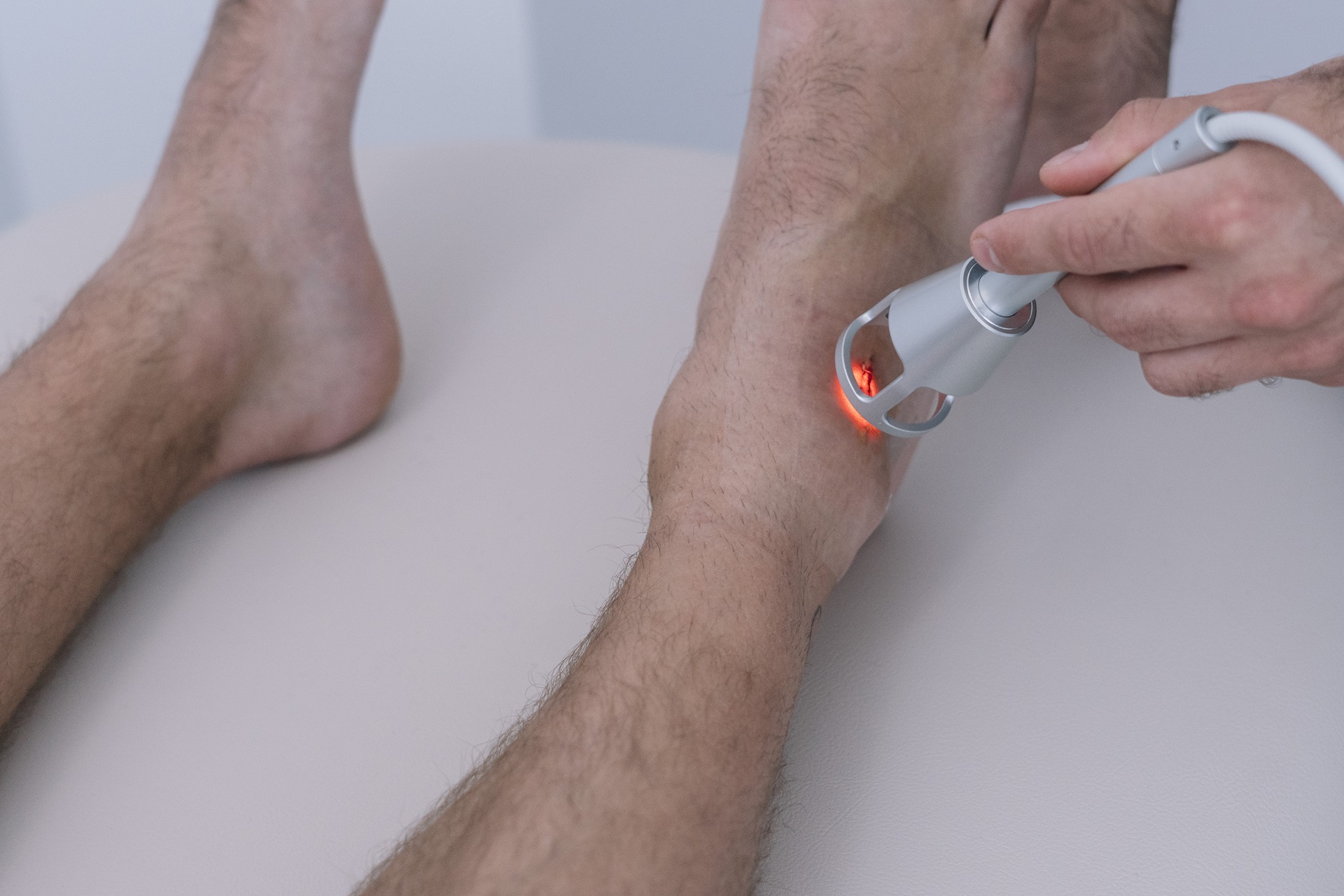
    MLS Class IV Laser Therapy is a modern treatment approach designed to target pain and inflammation in the foot and ankle areas without needing surgery. This therapy utilizes dual wavelengths of light to penetrate deep into the tissue and stimulate healing and pain relief. The “MLS” in its name stands for Multiwave Locked System, which allows the light energy to be locked in a synchronized pattern, enhancing the efficiency of the treatment.

    The process works by stimulating the cells within the tissues, encouraging them to heal at a faster rate. This is achieved through a non-invasive laser that emits specific light beams optimized to reduce pain and inflammation. One of the waves reduces inflammation by causing a strong anti-edema effect, while another wavelength targets pain relief by blocking pain signals transmitted to the brain and helping to release endorphins, which are the body’s natural pain relievers.

    Benefits of MLS Laser Therapy for Foot and Ankle Issues

    Choosing MLS Laser Therapy for foot and ankle issues offers numerous benefits that are pivotal in the recovery process of various conditions—from simple sprains to more complex injuries like tendonitis. One of the primary advantages of this treatment is significant pain relief. Many patients experience a reduction in pain levels right after the first session, with gradual improvements over a series of treatments.

    Another essential benefit of MLS Laser Therapy is the reduction in inflammation. With its precise and targeted approach, the therapy helps in reducing swelling efficiently, thus alleviating discomfort and promoting better mobility. The therapy is also known for speeding up the healing process. By enhancing blood flow and stimulating the activities of cells responsible for tissue repair, the treatment helps injured or worn-out tissues regenerate faster.

    Moreover, MLS Laser Therapy is appealing because it reduces the need for pain medication, which often has side effects, and may enhance the overall healing process by working in conjunction with the body’s natural healing mechanisms. Through these benefits, the therapy not only provides immediate relief from pain but also works as a long-term solution to ensure healthier foot and ankle function.

    Considerations Before Choosing MLS Laser Therapy

    When thinking about whether MLS Laser Therapy is the right choice, several factors should be carefully considered. First, the severity of the injury matters a lot. MLS Laser Therapy can be very effective for acute and chronic conditions, but it’s crucial to evaluate how serious the injury is. For some very severe cases, additional treatments may be necessary alongside the laser therapy.

    Another important consideration is your past medical history regarding foot and ankle treatments. If previous treatments haven’t been effective, MLS Laser Therapy might offer a new alternative worth exploring. However, if certain conditions like severe skin diseases, cancers, or light sensitivity are present, it’s essential to discuss these with us to ensure safe and suitable treatment options.

    Overall health also plays a role in deciding if this therapy is appropriate. For patients with diabetes or those with circulatory disorders, extra care and monitoring may be needed. Understanding these factors helps us tailor the treatment to fit your specific health needs best, ensuring that it not only addresses the pain but also contributes positively to your overall well-being.

    What to Expect During and After Treatment

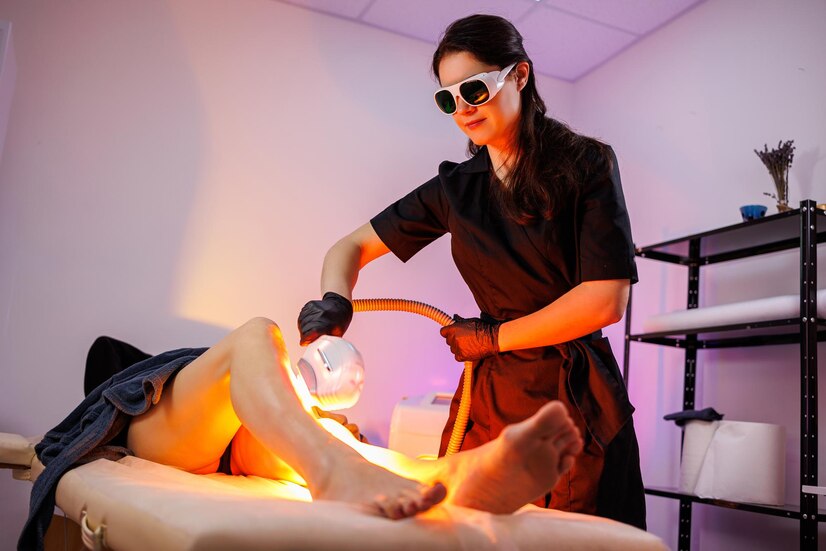
    During your MLS Laser Therapy sessions, you can expect them to be quick and comfortable. A typical session lasts about 10 to 15 minutes, during which the device will be applied directly to the affected area, emitting a light that many describe as a gentle, warm sensation. There is no pain associated with the treatment, and you can return to your daily activities immediately afterward without any downtime.

    After the treatment, most of our patients report feeling relief after the first few sessions, with continuous improvement as they complete their treatment plan. The number of treatments needed can vary depending on the specifics of your condition but typically involves multiple sessions over several weeks. After completing a full course of therapy, most patients experience lasting relief from pain and improved function in their feet and ankles.

    We also ensure that all our patients receive detailed follow-up care instructions. While no side effects are generally associated with MLS Laser Therapy, we like to keep in touch with our patients to monitor their recovery and ensure optimal results.

    Your Path to Pain-Free Living

    Choosing the right treatment for foot and ankle pain can indeed be a challenging decision. With MLS Laser Therapy, we offer a modern and highly effective option for those who are looking for an alternative to traditional methods. We understand every patient’s needs are unique, and our team is dedicated to providing a personalized treatment plan that ensures the best outcomes for your health.

    If you’re interested in exploring whether MLS Laser Therapy could be the right solution for your foot and ankle issues, we invite you to contact us today. Let us at The Foot & Ankle Clinic help guide you back to a comfortable, active life free from pain. Our expert Florida foot and ankle specialists are here to support your journey to recovery every step of the way.

  • Enhancing Foot and Ankle Health: Benefit of MLS Class IV Laser Therapy

    Enhancing Foot and Ankle Health: Benefit of MLS Class IV Laser Therapy

    When we think about taking good care of our bodies, sometimes we forget about our feet and ankles. But these parts of our body do a lot of hard work every day. They help us stand, walk, and run. When they hurt, it can really disrupt our daily lives. That’s why it is so important to know about different ways to heal and protect them. One of the new and exciting treatments we are thrilled to offer is called MLS Class IV Laser Therapy.

    This therapy uses special light beams, called lasers, to help treat pain and inflammation in the feet and ankles. You might wonder, “What makes MLS Laser different from other types of laser treatment?” Well, this MLS Class IV Laser is very specific and precise in treating pain without hurting surrounding areas of your foot or ankle. It’s a smart choice for those who have tried many treatments but haven’t found relief. Our patients often see great results without the need for harsh medication or surgery. It’s quick, safe, and effective, making it a top option for anyone looking to improve their foot and ankle health.

    Understanding MLS Class IV Laser Therapy

    MLS Class IV Laser Therapy is a type of treatment we use to help people feel better when they have pain and discomfort in their feet and ankles. This therapy uses a special kind of light called a laser. It’s not like the lasers you might see in movies; it’s safe and designed to heal. The “MLS” in its name stands for Multiwave Locked System, which means it uses two wavelengths of light at the same time. This combination is very effective at treating pain and inflammation quickly.

    The great thing about MLS Class IV Laser Therapy is how it stands out from other laser treatments. While most traditional laser therapies use only one wavelength, our MLS system works with two. This allows us to target painful areas more accurately without affecting the surrounding healthy tissues. Plus, this method is much faster and can reduce pain right after just a few sessions, making it unique compared to slower, single-wavelength therapies.

    Common Foot and Ankle Problems Treated by MLS Laser Therapy

    We see a lot of different foot problems in our clinic, and thankfully, MLS Laser Therapy can help with many of them. Here are a few common conditions that we treat with this advanced laser system:

    – Plantar Fasciitis: This is often felt as a sharp pain in the heel or bottom of the foot. It happens when a thick band of tissue in the foot, called the plantar fascia, gets irritated or swollen.

    – Achilles Tendonitis: This condition involves pain along the back of the leg near the heel, where the Achilles tendon is located. It usually comes from too much use and can make walking or running very painful.

    – Sprains: Whether it’s a twisted ankle from a fall or a sports injury, sprains are all too common. They occur when the ligaments that support the ankle stretch too far or tear.

    Whether someone has just started feeling pain or has been dealing with it for a long time, MLS Laser Therapy can often provide relief. By treating these conditions with our laser therapy, many patients feel better faster and can return to doing the things they love without the long downtimes associated with other treatments.

    How MLS Laser Therapy Enhances Foot and Ankle Health

    One of the most impressive aspects of MLS Laser Therapy is its ability to enhance the overall health of your feet and ankles. When we use this therapy, it significantly boosts blood circulation in the treated area. Improved circulation means more oxygen and nutrients are delivered to the injury site, which is crucial for healing.

    Additionally, MLS Laser Therapy helps reduce swelling and inflammation. This is important because inflammation can cause a lot of pain and slow down the healing process. By targeting the inflamed areas, the MLS laser promotes a quicker recovery, easing the pain and discomfort associated with conditions like sprains or plantar fasciitis.

    Another key benefit of using MLS Laser Therapy is the acceleration of tissue repair and cell growth. The laser light stimulates the activities of the cells responsible for tissue repair, which means your body can repair damaged tissue faster than it would on its own. This can be especially beneficial for conditions that typically take a long time to heal, helping our patients get back on their feet and return to their daily activities sooner.

    What to Expect During an MLS Laser Therapy Session

    We understand that trying a new treatment can be a bit worrying. Here’s what you can expect when you come in for an MLS Laser Therapy session, which is both simple and straightforward. First, you’ll be seated or positioned comfortably in a treatment area. Our trained therapist will then target the laser directly on the affected area of your foot or ankle.

    Each session typically lasts about 10 to 15 minutes, depending on the specific condition being treated. The great part about this therapy is that it’s painless—most patients do not feel any discomfort during the procedure. Some might feel a slight sensation of warmth, which is perfectly normal and indicates that the laser is working.

    Safety is a top priority during these sessions. The MLS Laser is FDA-approved and has been thoroughly tested for safety. You’ll wear protective goggles to safeguard your eyes, but there’s no need for concern as the procedure is non-invasive, with no risks of burns or damage to your skin.

    Embracing Advanced Healing Solutions

    In our commitment to providing the best care for foot and ankle ailments, we continue to adopt cutting-edge therapies like MLS Class IV Laser Therapy. Offering this advanced treatment underscores our dedication to enhancing patient care through innovative technologies. By incorporating such effective therapeutic options, we ensure our patients not only recover faster but also with minimal pain and inconvenience.

    MLS Laser Therapy is just one of the many treatments we utilize to help you overcome foot and ankle discomfort. We’re excited to see how this therapy has transformed the lives of many of our patients, providing them with a non-invasive, pain-free solution to their chronic ailments.

    If you’re dealing with persistent foot or ankle pain and looking for a modern solution that provides quick relief and promotes rapid healing, consider giving MLS Class IV Laser Therapy a try. Contact us today to learn more about this revolutionary treatment option and how it can help restore your mobility and enhance your quality of life. Let our food and ankle specialist in Florida help you take your first step towards a pain-free life!

  • Shockwave Therapy – A Non-Invasive Solution for Persistent Foot and Ankle Pain

    Shockwave Therapy – A Non-Invasive Solution for Persistent Foot and Ankle Pain

    For many individuals, persistent foot and ankle pain can be a source of daily discomfort, limiting mobility, and negatively impacting their quality of life. Traditional treatment options, such as medications, physical therapy, and, in more severe cases, surgery, have often been the go-to solutions for addressing this issue. However, recent advancements in medical technology have introduced a non-invasive and highly effective treatment option for those suffering from chronic foot and ankle pain: shockwave therapy.

    In this enlightening blog, we will delve into the science behind shockwave therapy, exploring how this advanced technology works to alleviate pain and promote healing in the foot and ankle. By understanding the benefits of this non-invasive treatment option and the conditions it can effectively address, you’ll gain valuable insight into whether shockwave therapy might be the ideal solution to help you reclaim pain-free mobility and improve your overall foot health.

    What is Shockwave Therapy, and How Does It Work?

    The Science Behind Shockwave Therapy

    Shockwave therapy is a non-invasive treatment that uses high-energy soundwaves to promote healing, reduce inflammation, and alleviate pain in the foot and ankle. The therapy involves directing focused acoustic waves to the affected area, which triggers the body’s natural healing response by stimulating blood flow, promoting the release of growth factors, and increasing cell metabolism. This process helps repair damaged tissue, reduce pain-causing inflammation, and improve mobility and functionality in the foot and ankle.

    Conditions Treated by Shockwave Therapy

    Shockwave therapy has been shown to be highly effective in treating various conditions causing foot and ankle pain, including:

    • Plantar Fasciitis: A common cause of heel pain, plantar fasciitis results from inflammation of the plantar fascia, the thick band of tissue that connects your heel to the front of your foot.
    • Achilles Tendonitis: This condition occurs due to inflammation, irritation, and degeneration of the Achilles tendon, which connects the calf muscles to the heel bone.
    • Heel Spurs: Bony growths on the underside of the heel bone, heel spurs are often associated with plantar fasciitis and can be painful.
    • Metatarsalgia: Pain and inflammation in the ball of the foot are often a result of overuse injuries, improper footwear, or underlying foot deformities.
    • Morton’s Neuroma: A thickening of the tissue surrounding the nerves leading to the toes, Morton’s neuroma can cause pain, burning, and numbness in the ball of the foot.

    Benefits of Shockwave Therapy for Foot and Ankle Pain

    Minimally Invasive Treatment Option

    One of the most significant benefits of shockwave therapy is that it is a non-invasive treatment option. Unlike surgical procedures that require longer recovery times and can have potential complications, shockwave therapy has minimal to no downtime following treatment. This non-surgical approach allows patients to experience pain relief and return to their regular activities more quickly.

    Effective and Long-Lasting Pain Relief

    Shockwave therapy has been shown to provide effective and long-lasting pain relief for many patients suffering from chronic foot and ankle conditions. This treatment option targets the root cause of the pain, rather than simply masking symptoms with medications. By promoting healing and reducing inflammation in the affected area, shockwave therapy can lead to more sustainable pain relief over time.

    Safe and Well-Tolerated by Patients

    Shockwave therapy has been extensively researched and is considered a safe, well-tolerated treatment option for a variety of foot and ankle conditions. Most patients experience minimal side effects, such as temporary pain or swelling at the treatment site, which typically subside within a few days.

    Quick and Convenient Treatment Sessions

    Typically, shockwave therapy sessions last between 15 to 30 minutes and can be conveniently performed in your podiatrist’s office. Depending on the severity of your condition, you may require several sessions spaced a week or two apart. This allows you to continue with your daily routine while receiving effective treatment for your foot and ankle pain.

    What to Expect During and After Shockwave Therapy

    Treatment Process

    During your shockwave therapy session, your podiatrist will apply a gel to the treatment area, allowing the sound waves to be effectively transmitted through your skin. They will then use a handheld applicator to deliver the acoustic waves directly to the affected area, adjusting the intensity as needed to ensure your comfort throughout the treatment.

    Post-Treatment Care

    After your session, you may experience temporary soreness or swelling at the treatment site, which should subside within a few days. Your podiatrist will provide instructions on how to manage any side effects and may recommend temporary activity modifications to ensure optimal healing and pain relief.

    Conclusion

    Shockwave therapy offers a promising, non-invasive alternative to traditional treatment options for persistent foot and ankle pain. With its potential to provide effective and long-lasting relief while promoting the body’s natural healing process, it’s a valuable solution to consider when exploring options for improving your foot health. By partnering with experienced podiatrists knowledgeable in this cutting-edge technology, you can take the first steps towards regaining pain-free mobility and enjoying a more active, fulfilling life.
    Don’t let foot and ankle pain control your life. Schedule a consultation with our expert podiatrists to discuss your options and see if shockwave therapy could be the solution you’ve been searching for. Contact The Foot & Ankle Clinic today!

  • Understanding Toenail Fungus: Expert Guidance on Consultation and Treatment

    Understanding Toenail Fungus: Expert Guidance on Consultation and Treatment

    Toenail fungus, technically known as onychomycosis, is a prevalent issue affecting millions of people globally. Characterized by the thickening, discoloration, and gradual disintegration of the affected nail, this condition can cause significant discomfort and have a negative impact on one’s quality of life. A timely consultation with a skilled podiatrist not only leads to proper diagnosis but also helps in determining the most appropriate treatment option tailored to the individual’s specific needs.

    In this comprehensive guide, we’ll provide valuable insights on toenail fungus, its causes, and symptoms, emphasizing the importance of seeking prompt consultation and early intervention. Moreover, we will delve into the various treatment choices, ranging from topical antifungal agents to advanced laser therapies, helping you stay informed and make educated decisions for a swift and effective recovery.

    Whether you’re someone currently dealing with toenail fungus or an individual eager to learn more about this common condition and its management, this blog post serves as a reliable source of information. By the end of the article, you’ll be equipped with a deeper understanding of toenail fungus, the significance of timely consultation, and the range of treatment options available for a successful outcome.

    Identifying Toenail Fungus: Causes and Symptoms

    1. The Culprits Behind Toenail Fungus

    Toenail fungus is typically caused by dermatophytes, a group of fungi that thrive in the warm, moist environment of shoes and socks. Other factors contributing to fungal infections of the nail include poor foot hygiene, injury to the nail, and underlying health conditions such as diabetes or a weakened immune system. By understanding the causes of toenail fungus, individuals can take preventative steps and seek prompt treatment if an infection occurs.

    2. Recognizing the Signs of Toenail Fungus

    Toenail fungus can manifest differently in each individual; however, common symptoms include nail discoloration (yellow, brown, or white), thickening or brittleness of the nail, separation of the nail from the nail bed, and a distinct odor. Early detection and consultation with a podiatrist can help prevent the condition from worsening and limit its impact on daily life.

    Consultation: The First Step Towards Recovery

    1. The Importance of a Timely Toenail Fungus Consultation

    Visiting a skilled podiatrist at the first signs of toenail fungus is crucial in ensuring a prompt diagnosis and timely intervention. During a consultation, the podiatrist will examine the affected toenail, discuss the patient’s medical history, and may take a nail sample for laboratory testing to confirm the presence of fungal infection. A timely and accurate diagnosis is essential to selecting the appropriate treatment and initiating the recovery process.

    Exploring Treatment Options: From Topical Agents to Advanced Technologies

    1. Topical Antifungal Medications

    Topical antifungal medications are a popular first-line treatment for toenail fungus. Available in various forms such as creams, gels, and nail lacquers, these medications are applied directly to the affected nail to inhibit fungal growth. Prescription topical antifungals tend to be more potent and effective than over-the-counter alternatives, and regular application as directed by a podiatrist is crucial for achieving the desired results.

    2. Oral Antifungal Medications

    Oral antifungal medications, such as terbinafine and itraconazole, work by entering the bloodstream and attacking the fungal infection from within. These medications are typically prescribed for more severe cases of toenail fungus, and a complete course can last several weeks to months. It is essential to take oral antifungals as directed and follow up with the podiatrist to monitor progress and side effects.

    3. Nail Debridement

    In some cases, the infected nail may need to be partially or entirely removed to allow for more effective treatment with topical or oral medications. The procedure, known as nail debridement, is performed under local anesthesia by a skilled podiatrist. This treatment is often employed when the condition is severe or when a patient is unresponsive to other treatment options.

    4. Laser and Light-Based Therapies

    Advanced laser and light-based therapies are gaining popularity as a modern and non-invasive treatment option for toenail fungus. These treatments utilize specific wavelengths of light to eliminate the fungal infection without damaging healthy tissue. While these treatments are generally painless and have minimal side effects, they may require multiple sessions for optimal results, and their long-term efficacy is still being studied.

    Conclusion:

    Toenail fungus is a common yet potentially debilitating condition that requires timely diagnosis and appropriate treatment to prevent complications and ensure full recovery. By understanding its causes, symptoms, and the range of available treatment options, individuals can make informed decisions about their care and ultimately achieve healthier, fungus-free toenails.

    Don’t let toenail fungus affect your daily life. Schedule a consultation with The Foot & Ankle Clinic’s experienced podiatrists in Wellington today, and start your journey towards healthy, fungus-free toenails.