Category: Foot & Ankle

  • Discover the Advantages of Lapiplasty for Bunion Treatment at The Foot and Ankle Clinic

    Discover the Advantages of Lapiplasty for Bunion Treatment at The Foot and Ankle Clinic

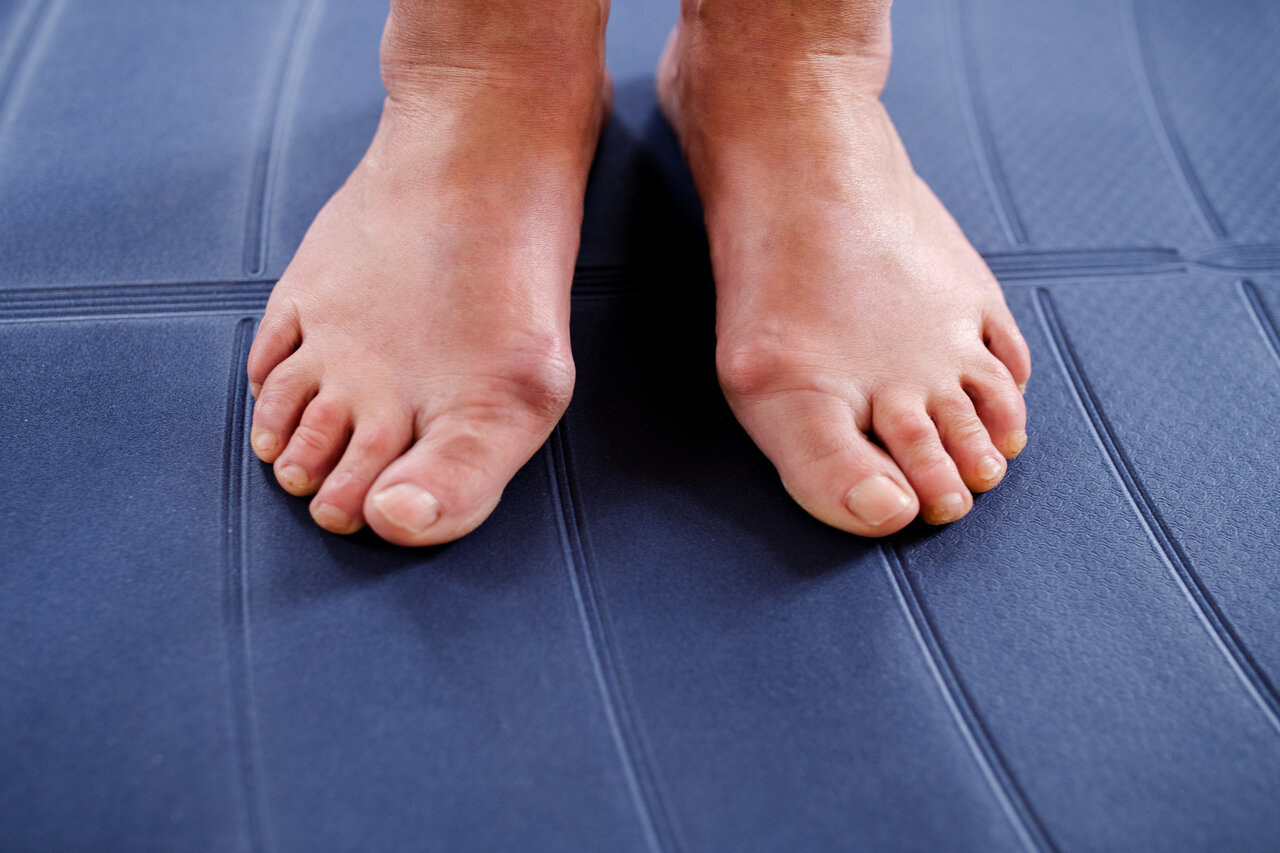
    Bunions, or hallux valgus, are a common and often painful foot deformity characterized by a bony bump at the base of the big toe. This condition occurs when the big toe joint becomes misaligned, causing the toe to deviate inward and placing pressure on other toes. Bunions not only result in discomfort but also affect a person’s mobility and lead to other complications, such as hammertoes and arthritis. Traditional surgical procedures for bunions, such as the Lapidus and osteotomy techniques, have been used in the past, but they often involve a prolonged recovery period and may not address the root cause of the bunion.

    At The Foot and Ankle Clinic, we strive to provide the most advanced treatments for all your podiatric concerns. We are proud to offer the innovative Lapiplasty procedure for bunion treatment, a revolutionary approach that addresses the issue at its core, providing lasting relief. This groundbreaking technique repositions the entire deviated bone – known as the first metatarsal – in three dimensions, which realigns the big toe joint successfully and reduces the likelihood of bunion recurrence.

    In this article, we will explore the benefits of the Lapiplasty procedure for treating bunions, discuss the recovery process, and understand how this advanced technique differs from traditional bunion surgery.

    Benefits of the Lapiplasty Procedure

    1. Addresses the Root Cause of Bunions

    Traditional bunion surgery focuses on shaving off the bony prominence and realigning the bones in two dimensions. In contrast, the Lapiplasty procedure corrects the misalignment in all three dimensions by repositioning the entire first metatarsal bone. This comprehensive approach directly targets the root cause of bunions, which results in more effective and lasting relief.

    2. Lower Risk of Bunion Recurrence

    By addressing the three-dimensional alignment issue and maintaining the natural stability of the first metatarsal bone, Lapiplasty significantly reduces the risk of bunion recurrence compared to traditional surgical techniques.

    3. Faster Recovery Process and Weight-Bearing Ability

    The innovative Lapiplasty procedure uses specialized fixation technology, which allows for faster healing and weight-bearing. Patients who undergo Lapiplasty can often begin bearing weight on their treated foot within days of the surgery, instead of weeks with traditional techniques.

    4. Reduced Postoperative Pain

    The Lapiplasty procedure involves less soft tissue disruption and avoids bone cuts (osteotomies) typically associated with traditional bunion surgery. As a result, patients may experience less pain and swelling following the procedure.

    Lapiplasty Procedure: What to Expect

    1. Consultation and Evaluation

    Before undergoing the Lapiplasty procedure, you will have a thorough consultation with one of our expert podiatrists at The Foot and Ankle Clinic. During this visit, your doctor will assess your condition, review your medical history, and determine if Lapiplasty is the best treatment option for you.

    2. The Lapiplasty Procedure

    The Lapiplasty procedure is performed under local or general anesthesia and typically takes about an hour to complete. During the surgery, your surgeon will utilize specialized instrumentation to realign the first metatarsal bone in all three dimensions. This corrected alignment is then held in place with unique bone fixation plates and screws.

    3. Recovery and Rehabilitation

    The recovery time varies from patient to patient, depending on factors such as age, health, and the severity of the deformity. However, most Lapiplasty patients can expect to start weight-bearing within days of the surgery, using a postoperative boot or cast for support. Your doctor will provide you with detailed postoperative instructions and may recommend physical therapy to aid in your recovery and help you regain the full functionality of your foot.

    Comparing Lapiplasty with Traditional Bunion Surgery

    1. Alignment Correction

    Lapiplasty corrects metatarsal misalignment in all three dimensions, while traditional bunion surgery primarily addresses the bone’s two-dimensional alignment.

    2. Recurrence Rates

    The comprehensive approach of Lapiplasty significantly reduces the risk of bunion recurrence compared to traditional bunion surgery.

    3. Surgical Techniques

    Traditional bunion surgery often involves bone cuts (osteotomies) and extensive soft tissue disruption, while Lapiplasty avoids these methods, potentially resulting in less postoperative pain and faster healing.

    4. Weight-Bearing and Recovery

    With specialized fixation technology, Lapiplasty patients can start bearing weight on the treated foot within days of the surgery, whereas traditional bunion surgery typically requires weeks of non-weight-bearing recovery.

    Conclusion

    The innovative Lapiplasty procedure offers a revolutionary approach to bunion treatment, addressing the root cause of the problem and ensuring lasting relief for patients. With numerous benefits, such as a faster recovery time and reduced risk of recurrence, Lapiplasty has become the preferred choice for many individuals seeking effective bunion treatment. At The Foot and Ankle Clinic, our team of expert podiatrists is dedicated to providing advanced care for all your foot and ankle concerns.

    Say goodbye to bunion pain and discomfort. Schedule a consultation with our expert podiatrists to learn if the advanced foot Lapiplasty procedure is the right solution for you!

  • Lapiplasty Bunion Treatment: Transforming Bunion Correction

    Lapiplasty Bunion Treatment: Transforming Bunion Correction

    Bunions, or hallux valgus, are unsightly and often painful deformities at the base of the big toe, significantly impacting a person’s daily life, activity levels, and overall foot health. Commonly caused by genetic factors, lifestyle choices, or footwear-related pressures, bunions can progressively worsen over time, necessitating more aggressive treatment options. 

    Traditional surgical procedures for bunions have been directed at addressing cosmetic concerns and alleviating pain symptoms. However, these procedures often include extended recovery periods and occasionally recur, leaving patients searching for a more definitive and long-lasting solution.

    At The Foot and Ankle Clinic, our commitment to offering state-of-the-art treatments to improve the lives of our patients has led us to embrace Lapiplasty, a groundbreaking method for bunion correction. Lapiplasty is a revolutionary approach that targets the root cause of bunions, producing superior results in both comfort and appearance. This article will highlight the unique advantages of Lapiplasty for bunion treatment, the process involved, and the benefits patients can expect in comparison to conventional bunion surgery.

    Understanding Lapiplasty for Bunion Treatment

    1. What Sets Lapiplasty Apart

    Lapiplasty represents a paradigm shift in bunion treatment, as it focuses on correcting the three-dimensional nature of the deformity. Traditional bunion surgeries typically involve cutting and shifting the bones in two dimensions, which does produce a cosmetic improvement, but may not always address the underlying issue.

    Lapiplasty, on the other hand, realigns the joint at the base of the big toe in three dimensions, restoring the natural alignment of the entire foot while eliminating the bunion, subsequently reducing the chances of recurrence.

    2. Ideal Candidates for Lapiplasty

    Lapiplasty is suitable for individuals suffering from moderate to severe bunions, seeking long-lasting pain relief, and a more balanced foot function. Candidates should also be in good overall health and have realistic expectations regarding the procedure’s outcome. A comprehensive evaluation by a qualified podiatrist is essential to determine if Lapiplasty is the best option for your unique circumstances.

    The Lapiplasty Procedure

    1. Preoperative Assessment

    Before undergoing Lapiplasty, your podiatrist will conduct a thorough examination of your foot and ankle, gathering essential information about your medical history, current medications, and any pre-existing conditions. Diagnostic imaging, such as X-rays, may be used to assess the severity of the bunion and adequately plan the surgical intervention.

    2. The Lapiplasty Surgery

    The Lapiplasty procedure is performed under anesthesia and typically takes between 90 minutes to two hours to complete. During the surgery, your podiatrist will make an incision along the inner side of the foot to expose the affected joint. Utilizing advanced instrumentation, they will realign the misaligned metatarsal and joint in three dimensions, effectively restoring the proper joint alignment and foot structure. Small plates and screws are then used to hold the corrected position in place, facilitating stability during the healing process.

    3. Postoperative Care and Recovery

    Following Lapiplasty, you will be provided with personalized instructions to ensure optimum recovery, including pain management, wound care, and activity restrictions. Most patients can return home the same day with a postoperative splint or specialized boot to protect the surgical site and provide support.

    Partial weight-bearing activities are typically allowed within days of the surgery, with a gradual increase in activity levels permitted under your podiatrist’s guidance. Complete healing and return to normal footwear may take up to 12 weeks, with periodic follow-up appointments to track your progress.

    Advantages of Lapiplasty over Traditional Bunion Surgery

    1. Long-Lasting Results

    By addressing the underlying cause of bunions and correcting the three-dimensional deformity, Lapiplasty offers a more robust solution for reducing the risk of recurrence compared to traditional bunion surgery.

    2. Faster Recovery

    Lapiplasty allows for early weight-bearing activities, promoting a quicker return to daily routines and reducing recovery time compared to traditional surgical procedures.

    3. Improved Foot Function

    Realignment of the joint and overall foot structure not only alleviates pain but also improves foot biomechanics, ultimately leading to enhanced functionality, balance, and comfort during daily activities.

    Final Thoughts

    Lapiplasty is an advanced, life-changing treatment option for individuals suffering from painful and debilitating bunions, enabling them to rediscover pain-free mobility and improved foot function.

    At The Foot and Ankle Clinic, our skilled and compassionate team of podiatrists can expertly assess your condition and determine if Lapiplasty is the right solution for you. Don’t let bunions hold you back any longer; explore the revolutionary benefits of Lapiplasty for lasting relief and satisfaction.

    Rediscover pain-free walking and confident footwear choices with Lapiplasty. Schedule a foot lapiplasty consultation with our expert podiatrists to determine if this advanced bunion treatment is right for you!

  • Shockwave Therapy: A Non-Invasive Solution for Stubborn Heel Pain

    Shockwave Therapy: A Non-Invasive Solution for Stubborn Heel Pain

    Heel pain is a common problem that affects millions of people worldwide, often making it difficult to walk, exercise, or participate in daily activities without discomfort. One of the most prevalent causes of heel pain is plantar fasciitis, an inflammation of the fibrous tissue (plantar fascia) that connects the heel bone to the toes. However, heel pain can also arise from several other factors, such as Achilles tendonitis, heel spurs, or bursitis. For patients struggling with persistent heel pain, finding relief can sometimes be challenging and frustrating, especially when conservative treatment options fail to yield results.

    At The Foot & Ankle Clinic, we understand the importance of efficient and effective solutions for heel pain. Our team of experienced podiatrists is dedicated to staying updated with the latest advancements in podiatric care, offering cutting-edge treatments to our patients, such as shockwave therapy. This revolutionary, non-invasive therapy has shown promise in alleviating stubborn heel pain and accelerating the healing process for various foot and ankle conditions. In this article, we will discuss shockwave therapy’s benefits, process, and potential results for treating heel pain.

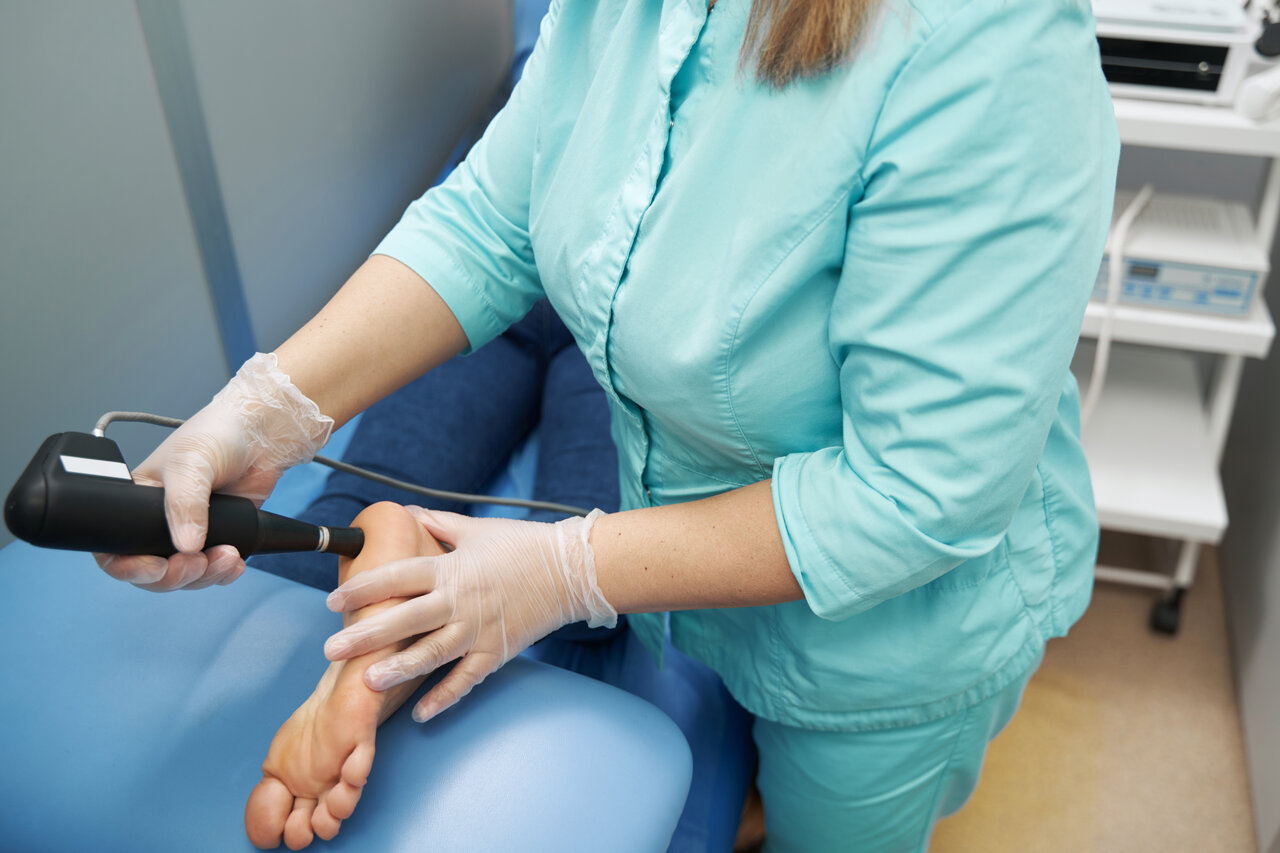
    Shockwave therapy, or extracorporeal shockwave therapy (ESWT), is a non-surgical treatment option that uses high-energy sound waves to stimulate the body’s natural healing process. The procedure generates a series of precisely targeted shockwaves, which are applied to the affected area using a specialized handheld device. These shockwaves help to reduce inflammation and stimulate blood flow, promoting the repair and regeneration of damaged tissue. As a non-invasive yet potent treatment, shockwave therapy has emerged as a valuable solution for addressing chronic heel pain that hasn’t responded to traditional therapies, such as anti-inflammatory medications, physical therapy, or orthotics.

    Understanding Shockwave Therapy for Heel Pain

    1. How Shockwave Therapy Works

    Shockwave therapy, also known as extracorporeal shockwave therapy (ESWT), uses high-energy sound waves to stimulate the body’s natural healing process. The procedure involves generating a series of precisely targeted shockwaves applied to the affected area using a specialized handheld device. These shockwaves help to reduce inflammation and stimulate blood flow, promoting the repair and regeneration of damaged tissue.

    2. Conditions Treated by Shockwave Therapy

    While plantar fasciitis is one of the primary heel pain conditions treated with shockwave therapy, other foot and ankle conditions may benefit from this innovative treatment. These include:

    • Achilles tendonitis
    • Heel spurs
    • Chronic inflammation or tendonitis
    • Bursitis
    • Calcifications in tendons

    Consulting with a dedicated podiatrist will help determine whether shockwave therapy is the most suitable treatment option for your specific condition.

    The Shockwave Therapy Procedure

    1. Preparation and Assessment

    Before the procedure, your podiatrist will thoroughly assess your foot and ankle to determine the most appropriate treatment plan. This may include reviewing your medical history, discussing your symptoms, and conducting a physical examination. It is crucial to inform your podiatrist of any medications, recent surgeries, or existing medical conditions to ensure a safe and effective treatment approach.

    2. The Shockwave Therapy Session

    During the shockwave therapy treatment, your podiatrist will apply a gel to the targeted area to facilitate the transmission of the shockwaves. With the help of a handheld device, they will administer the controlled shockwaves to the painful area in a series of pulses. The entire process typically takes between 15 to 30 minutes, depending on the severity of your condition and the chosen treatment plan.

    3. Post-Treatment Care and Recovery

    After your session, your podiatrist will provide individualized instructions for post-treatment care and recovery. You may experience some temporary discomfort, mild swelling, or bruising at the treatment site, but these should subside within a few days. Most patients can return to normal activities quickly, although strenuous physical activities or high-impact sports may need to be avoided for a few weeks.

    The Benefits of Shockwave Therapy for Heel Pain

    1. Non-Invasive Alternative to Surgery

    One of the major advantages of shockwave therapy is that it provides a non-surgical treatment option for patients who have not found relief through conservative measures. This eliminates the risks and potential complications associated with surgery, such as infection, scarring, or anesthesia complications.

    2. Minimal Downtime and Side Effects

    Shockwave therapy requires minimal recovery time and has a low risk of side effects, ensuring a quicker return to normal activities and less disruption to your daily routine.

    3. Promotes Natural Healing

    Shockwave therapy enhances the repair and regeneration of damaged tissue by stimulating the body’s natural healing processes, promoting long-lasting results and improved overall foot health.

    Conclusion

    Shockwave therapy represents a non-invasive and innovative solution for patients suffering from stubborn heel pain that has not responded to traditional treatments. With a comprehensive approach to care and a commitment to staying abreast of the latest advancements in podiatric medicine, The Foot & Ankle Clinic can help you determine if this cutting-edge therapy is right for you.

    Experience the benefits of shockwave therapy for your stubborn heel pain. Schedule a consultation at The Foot & Ankle Clinic to explore this non-invasive solution today!

  • Comprehensive Guide to Toenail Fungus Consultation and Treatment Options

    Comprehensive Guide to Toenail Fungus Consultation and Treatment Options

    Toenail fungus, also known as onychomycosis, is a widespread and often persistent problem experienced by people of all ages. While it may initially appear to be a harmless cosmetic issue, untreated toenail fungus can lead to more severe complications, such as pain, inflammation, and even permanent nail damage. For this reason, seeking professional help when dealing with suspected toenail fungus is crucial, as an accurate and early diagnosis can pave the way for swift and effective treatment.

    At The Foot & Ankle Clinic, we specialize in providing comprehensive care for various foot and ankle conditions, including toenail fungus. With a focus on early detection, personalized consultation, and tailored treatment plans, we strive to help our patients regain their confidence and achieve improved overall foot health. In this article, we will provide a detailed guide to toenail fungus consultation, along with an overview of the various treatment options available.

    Understanding toenail fungus is essential for determining the most appropriate course of action. Fungal nail infections occur when microscopic fungi enter the nail bed, typically through a small cut, abrasion, or separation between the nail plate and the underlying nail bed. As the fungus thrives in warm and moist environments, it begins to feed on the keratin—a protein that constitutes the nail’s structure. This process often results in progressively discolored, thickened, and brittle nails, which, if left untreated, can become painful and lead to complications, such as cellulitis or widespread fungal infections.

    What to Expect During a Toenail Fungus Consultation

    1. Professional Assessment and Diagnosis

    The first step in addressing toenail fungus is obtaining an accurate diagnosis. During your consultation, our podiatrists will thoroughly examine your nails, considering factors such as discoloration, thickness, brittleness, and any associated symptoms. In some cases, a sample of the nail debris may be collected and sent to a lab for further evaluation, ensuring a precise determination of the fungal infection.

    2. Review of Medical History and Lifestyle Factors

    Understanding your medical history and lifestyle habits is vital in determining the most effective treatment plan for your toenail fungus. Our podiatrists will inquire about any underlying health conditions, medications, or environmental factors that may be contributing to the issue. This information allows us to target the root cause of the infection and provide guidance on preventative measures to reduce recurrence.

    3. Detailed Treatment Recommendations

    Based on your assessment and personal circumstances, our podiatrists will discuss the most suitable and effective treatment options for your toenail fungus. This tailored approach ensures you receive the appropriate care, maximizing the chances of a successful outcome.

    Toenail Fungus Treatment Options

    1. Topical Medications

    Topical antifungal medications, available as creams, lotions, or nail lacquers, are often the first line of defense against toenail fungus. These products are applied directly to the affected nails and can penetrate the nail plate to reach the underlying nail bed. While topical treatments may be sufficient for mild to moderate infections, they are generally less effective for severe cases or when the nail matrix is involved.

    2. Oral Antifungal Medications

    Oral antifungal medications may be prescribed for moderate to severe cases of toenail fungus. These systemic treatments work by traveling through the bloodstream to reach the site of infection, providing a more comprehensive approach to eliminating the fungus. Commonly prescribed oral antifungal medications include terbinafine and itraconazole. It is crucial to follow your podiatrist’s instructions and complete the full course of treatment to ensure the best possible outcome.

    3. Laser Treatment

    Laser therapy is a cutting-edge treatment option for toenail fungus that uses targeted light energy to penetrate the nail and eradicate the fungi. This non-invasive and painless procedure offers some advantages over traditional treatments, including a lower risk of side effects and no need for regular application or monitoring of medication. However, depending on the severity of the infection, several sessions may be required to achieve the desired results.

    4. Nail Avulsion and Debridement

    A partial or complete nail avulsion may be recommended in cases of severe toenail fungus where the nail is significantly damaged or causing pain. This procedure involves the removal of the affected nail, allowing for the application of topical antifungal medications directly to the nail bed. Additionally, regular debridement of the nail may be performed to reduce thickness and improve the effectiveness of other treatment methods.

    Prevention and Maintenance Tips

    1. Maintain Good Foot Hygiene

    Practicing proper foot hygiene, such as washing and drying your feet daily, changing socks regularly, and alternating shoes, can help prevent the growth of fungi.

    2. Choose Breathable Footwear and Socks

    Opt for footwear made from breathable materials, such as leather or mesh, to prevent excessive moisture buildup. Similarly, choosing moisture-wicking socks can help keep your feet dry and reduce the risk of fungal infections.

    3. Use Antifungal Powders or Sprays

    Regularly using antifungal powders or sprays on your feet and inside your shoes can help deter fungus growth and minimize the risk of reinfection.

    Conclusion

    Toenail fungus is a common yet potentially disruptive issue that can significantly impact one’s comfort and confidence. Seeking professional help through a comprehensive toenail fungus consultation is crucial in obtaining the most effective and personalized care. At The Foot & Ankle Clinic, our expert team is dedicated to providing the highest standard of podiatric care, ensuring that you receive the best possible treatment for all your foot and ankle concerns.

    Don’t let toenail fungus affect your quality of life. Schedule a consultation with our dedicated podiatrists in Wellington to discuss treatment options today!

  • Lapiplasty: A Cutting-Edge Treatment for Bunions

    Lapiplasty: A Cutting-Edge Treatment for Bunions

    Bunions are a common foot deformity affecting millions of people worldwide. Characterized by a bony bump that forms at the base of the big toe, bunions can cause pain, swelling, and discomfort while walking or wearing certain shoes. This condition often occurs due to genetics, improper footwear, or certain foot types, such as flat feet or excessively pronating feet. While bunions might seem like a mere annoyance, they can significantly impact one’s quality of life, potentially leading to further complications if left untreated.

    At The Foot & Ankle Clinic, we aim to provide the best possible care for our patients suffering from foot and ankle issues. To achieve this, we offer the latest advancements in podiatric treatment, including a revolutionary procedure for bunions known as Lapiplasty. This state-of-the-art approach was designed to address the underlying cause of bunions and provide an effective, long-term solution to traditional bunion surgery. In this article, we will explore the concept behind Lapiplasty, its benefits, and what to expect during the treatment process.

    Lapiplasty is a 3D corrective surgical procedure that targets the root cause of bunions by realigning the bones in three planes, thus restoring the normal alignment and function of the foot. Unlike traditional bunion surgeries, which only address the cosmetic bump without providing a lasting solution, Lapiplasty focuses on correcting the metatarsal bone alignment that leads to bunion formation. Realigning the first metatarsal bone stabilizes the big toe joint, and the chances of bunion recurrence are significantly reduced.

    Understanding the Root Cause of Bunions

    To comprehend the advantages of Lapiplasty, it is essential to understand the underlying cause of bunions. Contrary to popular belief, bunions are not just a cosmetic issue; an abnormal alignment of the first metatarsal bone causes them. When this bone shifts out of proper alignment, it can cause the big toe to deviate towards the other toes, forming a bony prominence at the base of the toe.

    Traditional Bunion Surgery vs. Lapiplasty

    Conventional bunion surgeries often consisted of shaving off the bony bump and partially cutting or realigning the first metatarsal bone—a procedure known as an osteotomy. However, this approach primarily addresses the symptom rather than the root cause, resulting in a high rate of bunion recurrence.

    On the other hand, Lapiplasty targets the underlying issue by realigning and stabilizing the metatarsal bone, reducing the likelihood of bunion recurrence. This innovative treatment focuses on correcting the metatarsal bone’s three-dimensional alignment, providing a more comprehensive and lasting solution to the problem.

    The Lapiplasty Procedure and Recovery Process

    Lapiplasty is a relatively quick procedure, usually taking around an hour to complete. The surgery is performed under general or regional anesthesia, ensuring the patient is comfortable throughout the process.

    1. Surgical Access and Metatarsal Realignment

    During Lapiplasty, the surgeon first makes an incision on the side of the foot to access the misaligned metatarsal bone. Next, they realign the bone in all three planes: side-to-side, up-and-down, and rotationally. This comprehensive realignment of the bone provides a more stable structure for the foot and corrects the bunion at its source.

    2. Bone Fusion and Compression

    To stabilize the newly realigned metatarsal bone, the surgeon fuses the adjacent bone, the medial cuneiform. This fusion uses state-of-the-art, low-profile titanium plates that provide strong fixation while ensuring minimal discomfort. Compression is applied to the fusion site to encourage proper bone healing and a secure connection.

    3. Wound Closure and Postoperative Care

    Following the fusion, the surgical incisions are closed with sutures, and a sterile dressing is applied to the foot. The patient may be placed in a surgical boot or cast, depending on their individual needs. Most patients can begin weight-bearing shortly after surgery, usually within a few days, wearing a protective walking boot.

    The recovery period for Lapiplasty can vary among patients; however, most can begin wearing regular footwear within six to eight weeks after surgery. Following your podiatrist’s postoperative care instructions is crucial to ensure proper healing and obtain the best results.

    The Benefits of Lapiplasty

    1. Reduced Bunion Recurrence

    Lapiplasty directly addresses the root cause of bunions by realigning and stabilizing the metatarsal bone. This comprehensive approach results in a lower recurrence rate compared to traditional bunion surgery.

    2. Swift Recovery

    With Lapiplasty, most patients can return to weight-bearing within a shorter time frame, typically within a few days after surgery, making it a more convenient and manageable treatment option.

    3. Long-term Pain Relief and Improved Function

    Studies have shown that most patients who undergo Lapiplasty experience improved mobility, significant pain reduction, and an increased quality of life.

    Conclusion

    Lapiplasty is a cutting-edge and comprehensive treatment option for bunions. If you suffer from painful bunions and have been seeking a long-term solution, Lapiplasty may be the answer you’ve been searching for. At The Foot & Ankle Clinic, our skilled professionals prioritize the highest standard of care and will help you determine if this innovative procedure is right for you.

    Don’t let bunions stand in the way of your comfort. Schedule a consultation with our experienced podiatrists to learn more about Lapiplasty today!

  • Shockwave Therapy for Achilles Tendonitis: Everything You Need to Know

    Shockwave Therapy for Achilles Tendonitis: Everything You Need to Know

    Achilles tendonitis is a common condition that affects many individuals, causing pain and discomfort in the heel and lower leg. This condition occurs when the Achilles tendon, which connects the calf muscles to the heel bone, becomes inflamed or irritated due to overuse or strain. People who engage in sports or activities that involve running and jumping are prone to developing Achilles tendonitis. If left untreated, this condition can progress to a more severe injury called Achilles tendon rupture. Seeking early intervention is crucial to prevent further damage and ensure a swift recovery.

    At The Foot & Ankle Clinic, we prioritize innovative and effective treatments that cater to the unique needs of our patients. One such treatment option for Achilles tendonitis that has gained popularity over the years is shockwave therapy. Known for its non-invasive and painless nature, shockwave therapy has been proven to be an effective alternative to more invasive treatment methods, such as surgery. In this article, we will delve into shockwave therapy, exploring its benefits, how it works, and what to expect during the treatment process.

    Shockwave therapy, also known as extracorporeal shock wave therapy (ESWT), is a non-surgical treatment method that utilizes high-energy shock waves to stimulate the body’s natural healing process. The procedure involves the application of an acoustic wave that carries energy to the inflamed tissue, thereby promoting regenerative and reparative processes. This therapy has been extensively used in treating various musculoskeletal disorders, including Achilles tendonitis, plantar fasciitis, and tennis elbow.

    The Science Behind Shockwave Therapy

    Shockwave therapy, also known as extracorporeal shock wave therapy (ESWT), is a non-surgical treatment method that utilizes high-energy shock waves to stimulate the body’s natural healing process. The procedure involves the application of an acoustic wave that carries energy to the inflamed tissue, thereby promoting regenerative and reparative processes. This therapy has been extensively used to treat musculoskeletal disorders, including Achilles tendonitis, plantar fasciitis, and tennis elbow.

    There are two types of shockwave therapy: focused and radial. Focused shockwave therapy utilizes electromagnetic or piezoelectric principles to generate high-energy waves that target a specific area, while radial shockwave therapy uses pneumatic technology to produce lower-energy waves that disperse radially. Both types of shockwave therapy are effective for treating Achilles tendonitis, with the choice of method often depending on the patient’s individual needs and preferences.

    Tendonitis

    Benefits of Shockwave Therapy for Achilles Tendonitis

    1. Non-Invasive and Painless

    One of the most significant advantages of shockwave therapy is its minimally invasive nature. Unlike surgical interventions, shockwave therapy does not involve any incisions or invasive procedures. This reduces the risk of complications such as infection, scarring, and nerve damage. Furthermore, shockwave therapy is generally well-tolerated by patients, providing a comfortable treatment experience with minimal discomfort.

    2. Accelerates Healing and Recovery

    Shockwave therapy can stimulate the body’s natural healing process, promoting the regeneration of damaged tissue. The shock waves trigger the release of growth factors and increase blood flow to the treated area, accelerating the healing process. Studies have shown that shockwave therapy can lead to quicker recovery times and reduced pain compared to more traditional methods of treatment.

    3. Long-lasting Results

    Shockwave therapy has been shown to provide lasting pain relief and improved function for individuals with Achilles tendonitis. Many patients experience significant improvement shortly after treatment and can return to their daily activities with minimal discomfort. Research has demonstrated that the benefits of shockwave therapy can last for several months, and even years, after the initial treatment.

    4. Cost-Effective Treatment Option

    Compared to surgical interventions and long-term medication regimens, shockwave therapy is often more cost-effective when considering both direct and indirect costs. Shockwave therapy can save patients both time and money by minimizing downtime and avoiding prolonged treatment plans.

    What to Expect During Your Shockwave Therapy Session

    During a shockwave therapy session, your podiatrist will first assess the severity of your Achilles tendonitis and determine the appropriate treatment plan. The treatment area will be marked and covered with a coupling gel to ensure optimal transmission of the shock waves. Your podiatrist will then apply the shock wave applicator to the treatment area in a controlled and precise manner.

    Each session lasts approximately 15 to 20 minutes and is performed on an outpatient basis, meaning you can return home afterward. The number of sessions required will vary depending on the severity of your condition; however, most patients undergo between three and six sessions spaced approximately one week apart.

    Conclusion

    Shockwave therapy has emerged as a promising, non-invasive treatment option for Achilles tendonitis. By leveraging the body’s natural healing processes, this innovative procedure can provide long-lasting pain relief and improved functionality for those suffering from this common ailment. If you are struggling with the pain and discomfort of Achilles tendonitis, consider consulting with the expert podiatrists at The Foot & Ankle Clinic to discuss whether shockwave therapy might be the right treatment choice for you.

    Don’t let Achilles tendonitis hold you back. Schedule your shockwave therapy consultation with our expert podiatrists today!

  • Learn How to Prep Your Feet for Boot Season with These Tips

    Learn How to Prep Your Feet for Boot Season with These Tips

    As the leaves start to change and the temperature begins to drop, there’s no denying that boot season is upon us. As the seasons change, so does our choice of shoes. Instead of sandals and slides, it’s time to wear boots.

    From ankle boots, to classic knee-highs, or even hiking boots, there’s nothing cozier than slipping into your favorite pair when the air turns crisp. However, wearing boots can sometimes be a challenge, even leading to foot pain and discomfort. In this case, a podiatrist can help. Here are some tips to help you get started.

    Choose the Right Material

    There are different types of boots available on the market and each of these come with their own material. Some of the most popular options include leather, suede, and rubber, to name a few, and each of these comes with its own set of advantages and disadvantages.

    Depending on the material you choose, some types can offer durability and comfort, as well as breathability, such as leather and suede. Opting for these types of materials will minimize the risk of discomfort and blister formation, but also allow the boots to conform to your foot’s natural shape over time.

    Rubber and synthetic materials, on the other hand, are more durable and wear well down the line. This makes them the ideal choice for snow and wet weather conditions.

    Replace the Insoles

    Let’s face it, the insoles that come with your choice of boots may not always offer the best support for your feet. Swapping them out for cushioned insoles that are made from high-quality material can improve your comfort, even while wearing your boots for hours at a time. These insoles can give you the arch support you need and aid in shock absorption, too.

    If you have special foot conditions, don’t hesitate to reach out to your trusted foot doctor. They can prescribe and provide orthotics that are specifically designed not only to meet your concerns, but also tailored for your feet, gait, and other unique characteristics. 

    Break In Your Boots

    There’s nothing like opening a fresh box of boots for the first time, but the thing is, new boots can be quite stiff and uncomfortable to use. In fact, it can lead to foot pain, blisters, and sore spots.

    To prevent this from happening, breaking in your boots is key. You can do this for short periods of time at home before wearing them out for a longer time. Taking the time to do this will aid in softening the material and help it mold better to your feet. Using a pair of comfy socks will help as well.

    Keep Your Feet Moisturized

    Colder months can be hard on your feet. This type of weather is uncomfortable and can lead to dry, cracked skin, even to conditions such as fissures. Moisturizing your feet regularly before wearing your socks and putting on your boots can prevent dryness and maintain your skin’s elasticity.

    Give Your Feet a Break from Time to Time

    Boots can sometimes be heavy on your feet, even the most comfortable kinds and brands on the market. To give your feet a break, make sure to take your feet out and let them breathe whenever possible. This gives you the opportunity to reduce strain and fatigue on your feet, as well as exercise it to promote blood circulation.

    The Bottom Line

    Choosing and wearing the right boots is definitely a process. By doing these tips, you’re ensuring that your pair of beloved boots are the perfect fit through and through. By working with a trusted podiatrist who can keep your feet health in check and following these strategies, you can step out in confidence and wear your boots with pride.

  • Innovations in Diabetic Foot Care You Should Know About

    Innovations in Diabetic Foot Care You Should Know About

    Diabetes management is a multifaceted journey, and one aspect that often slips under the radar is foot health. The importance of diligent diabetic foot care can’t be overstated, as neglecting it can lead to severe complications. But, there’s a silver lining – the field of diabetic foot care has witnessed remarkable advancements, ushering in innovative solutions that can revolutionize how we care for our feet, especially with the help of a podiatrist.

    The Coming of Smart Socks and Insoles

    Picture this: socks that are more than just fabric; they’re sensible safeguards for your foot health. Interestingly, these smart socks, despite their sci-fi ring, are very much a reality and come with a plethora of benefits for individuals with diabetes. Embedded with cutting-edge sensors, these socks continuously monitor various aspects of your foot’s well-being. They’re like a vigilant companion, keeping an eye on temperature, pressure points, and even moisture levels.

    When smart socks sense an unusual temperature spike or an unexpected pressure point, they send alerts to your smartphone or a paired device. This early warning system can be a game-changer, potentially preventing severe complications like diabetic ulcers from taking root.

    Ushering in the Era of Wearable Devices

    Smart socks are just one piece of the puzzle; wearable devices have also stepped into the limelight when it comes to diabetic foot care. Here’s what you need to know: these devices are designed to provide continuous monitoring, ensuring that even the subtlest changes are detected from the get-go. They come in various forms, from insoles packed with embedded sensors to sleek ankle bracelets.

    Wearable devices play a pivotal role in collecting data related to your foot health. They meticulously track your steps, your gait, and even the temperature and humidity surrounding your feet. The data they compile serves as a goldmine for healthcare providers, aiding them in making well-informed decisions regarding their care.

    Advanced Footwear and 3D Printing for Custom Orthotics

    Footwear plays a crucial role in preventing diabetic foot complications. Advancements and innovations in the field have led to the development not only of diabetic-specific and diabetic-friendly shoes, but also paved the way for a podiatrist to produce custom orthotic devices easily.

    By leveraging 3D scans, podiatrists can create precise and comfortable orthotics and shoes that provide ample support, cushioning, and pressure distribution. Together, these work together to boost the patient’s mobility and reduce the risk of blisters and ulcers.

    Bridging the Healthcare Divide with Telemedicine

    In the realm of podiatry, telemedicine involves remote consultations, monitoring, and follow-ups, and it’s nothing short of a game-changer for diabetic patients. Telemedicine is all about accessibility and convenience. Patients can now consult with a foot doctor from the comfort of their own homes.

    Whether you have questions about your foot care routine or need a follow-up on your progress, telemedicine bridges the geographical gaps and brings expert guidance to your fingertips. This accessibility factor holds particular significance for individuals living in remote areas or those with limited mobility.

    The Conclusion

    In the ever-evolving landscape of diabetic foot care, staying informed about innovations is imperative. These advancements have the potential to reshape the way we manage diabetes and its associated foot complications. If you or a loved one is living with diabetes, it’s essential to explore these innovative solutions and not hesitate to seek the help of a podiatrist.

    As we navigate the path of diabetic foot care, it’s the innovative strides that pave the way to a brighter and healthier tomorrow. After all, when it comes to diabetic foot care, innovation holds the key to a healthier future.

  • Here are Some Unusual Foot Conditions You’ve Never Heard Of

    Here are Some Unusual Foot Conditions You’ve Never Heard Of

    Our feet are composed of numerous bones, muscles, tendons, and ligaments, making it a complex system that keeps us moving, walking, running, jumping, standing, and many more. As intricate structures, these endure a lot of wear and tear over time, making them susceptible to various foot conditions.

    Some foot problems are common and easily treated, such as bunions, ingrown toenails, and even corns. There are, however, some rare and unusual foot conditions that fly under the radar and only a knowledgeable podiatrist can identify and diagnose them. Get to know some of these here and when you should consult a foot doctor.

    Buerger’s Disease

    Otherwise known as Thromboagiitis Obliterans, Buerger’s Disease is a rare type of vascular condition that primarily affects the blood vessels in the extremities, particularly in the hands and legs. While the exact cause of this disease is unknown, this condition is often linked to tobacco smoking. According to researchers, tobacco chemicals cause the lining of the blood vessels to swell.

    Buerger’s disease is often characterized by symptoms such as pain, inflammation, and more commonly, restricted blood flow. This leads to fingers or toes that appear dark or bluish, leading to tissue damage or worse, gangrene.

    If you are a smoker, your foot doctor would advise you to stop smoking and, in severe cases, obtain surgical intervention.

    Mafucci Syndrome

    Mafucci syndrome is a type of rare condition that causes the growth of benign tumors within the bones. These tumors, called enchondromas, appear on different bones within the body, but are most common in the hands and feet.

    When it affects the feet, individuals who are suffering from this foot condition can not only experience foot pain, inflammation, and difficulty walking, but they can also lead to deformities.

    Freiberg’s Disease

    Freiberg’s disease, on the other hand, is a foot condition that affects the metatarsal bones in the foot. These metatarsal bones are considered the bones that connect the toes to the rest of the foot. This condition stems from the death of bone tissue, often from inadequate blood supply.

    Once the metatarsal bone in the feet collapses, the makes the foot flat. This can likewise make the person with this foot condition deal with pain, swelling, and foot stiffness. A podiatrist plays a crucial role in the treatment and intervention of this condition, with custom orthotics and surgery being viable options to improve their quality of life and well-being.

    Kohler’s Disease

    Unlike other previous foot conditions mentioned above, Kohler’s disease is a rare properly that primarily affects children. In particular, this is more common in young boys aged 3 to 10. Kohler’s disease disrupts the blood flow to the navicular bone in the midfoot which then leads to necrosis of the bone.

    Individuals who suffer from this disease can experience limping, pain, and difficulty in walking. Thankfully, many children who deal with this problem outgrow this condition as the navicular bone regenerates.

    When to Consult a Foot Doctor

    While these aforementioned foot conditions are rare and unusual as they come, it’s imperative that you recognize when it’s time to consult a podiatrist for any of your concerns. Below are some signs you should look out for:

    • Persistent Pain

    Foot pain that continues to persist even without explanation can be concerning. If your foot pain still doesn’t improve with rest and medication, make sure to consult a foot doctor right away.

    • Skin Changes

    Apart from pain, some tell-tale signs you should pay attention to include inflammation, swelling, or deformities. Any skin changes, whether it be structural or textural, should be evaluated by your podiatrist immediately.

    • Loss of Function

    If you experience difficulties in walking, running, or general mobility, the loss of function in your feet should signal that it’s time to seek professional attention.

    The Bottom Line

    Unusual foot conditions can significantly impact a person’s quality of life. While these conditions are rare, these foot problems can be diagnosed and treated properly with the help of a podiatrist . By observing and caring for your feet, you, too, can stay on top of your health and well-being.

  • What’s the Connection Between Foot Health and Posture?

    What’s the Connection Between Foot Health and Posture?

    If you’ve visited a foot clinic, you’ve probably heard your foot doctor tell you that foot health and posture are related. So, how exactly does this work? You should know that posture and gait are influenced by the biomechanics of our feet.

    Poor posture and even musculoskeletal issues can be caused by imbalances or problems with the foot. Keep in mind that foot health is only one aspect that affects posture, and vice versa.

    Know more about the posture-foot health connection, some common foot problems that can impair posture, and some daily routines for keeping your feet’s well-being by reading here.

    Understanding the Foot-Posture Relationship

    You might be wondering: How does foot health affect posture? What you should know is that the biomechanics of your feet are extremely important to how you move and hold yourself. Imbalances or problems with the feet might throw off this delicate balance resulting in slouching.

    Having said this, let’s talk about feet features that can impact posture. Low or high arches can lead to instability and impact your posture, while foot alignment is essential in maintaining foot posture. In fact, incorrect foot alignment can lead to other parts of the body to shift in a compensatory manner.

    Moreover, the distribution of weight across the foot is also an important thing. Take note that due to uneven weight distribution brought on by foot or leg imbalances, specific muscles and joints may experience extra tension which can result in postural deviations.

    Common Foot Conditions and Their Impact on Posture

    There are various frequent difficulties that you should take care of when it comes to foot ailments and how they affect posture. Here are some crucial foot conditions that result in poor posture.

    • Flat Feet

    When walking or sprinting, the foot will naturally pronate or shift your weight to the inside of your feet.  However, when the foot rolls too far inside, excessive pronation might happen and this can throw off body alignment and affect posture when not addressed.

    • High Arches

    The lack of foot arches is a problem, but so are high arches. Supination, in which the feet roll outward, is more common in those with high arches. This can lead to inadequate shock absorption and increase stress on specific body parts, leading to poor posture.

    By affecting the way weight is distributed over the foot and changing biomechanics, these conditions not only impact posture but also cause other musculoskeletal issues such as lower back pain, knee pain, or even hip misalignment.

    Everyday Habits for Foot and Posture Health

    One good thing about the posture-foot health connection is that there are some useful suggestions you should consider if you want to address some issues.

    Priority one should be given to selecting appropriate footwear that offers sufficient support and cushioning. You might also want to check out orthotic devices to assist. Additionally, you should develop routine foot care practices including daily foot washing, moisturizing, and correct toenail cutting.

    Exercises for good posture can also be a part of your regimen. Over time, posture can be improved by doing simple exercises like standing or sitting straight, using the core muscles, as well as stretching.

    Using a supportive chair or altering the height of your computer screen are two ergonomic changes you may make to your home or office environment to improve your general well-being.

    Final Thoughts

    Knowing the relationship between foot and posture is crucial for musculoskeletal and general health. If you want to prioritize your foot health and posture, you should consult your podiatrist and find a way to take care of your feet for a healthier, happier you!