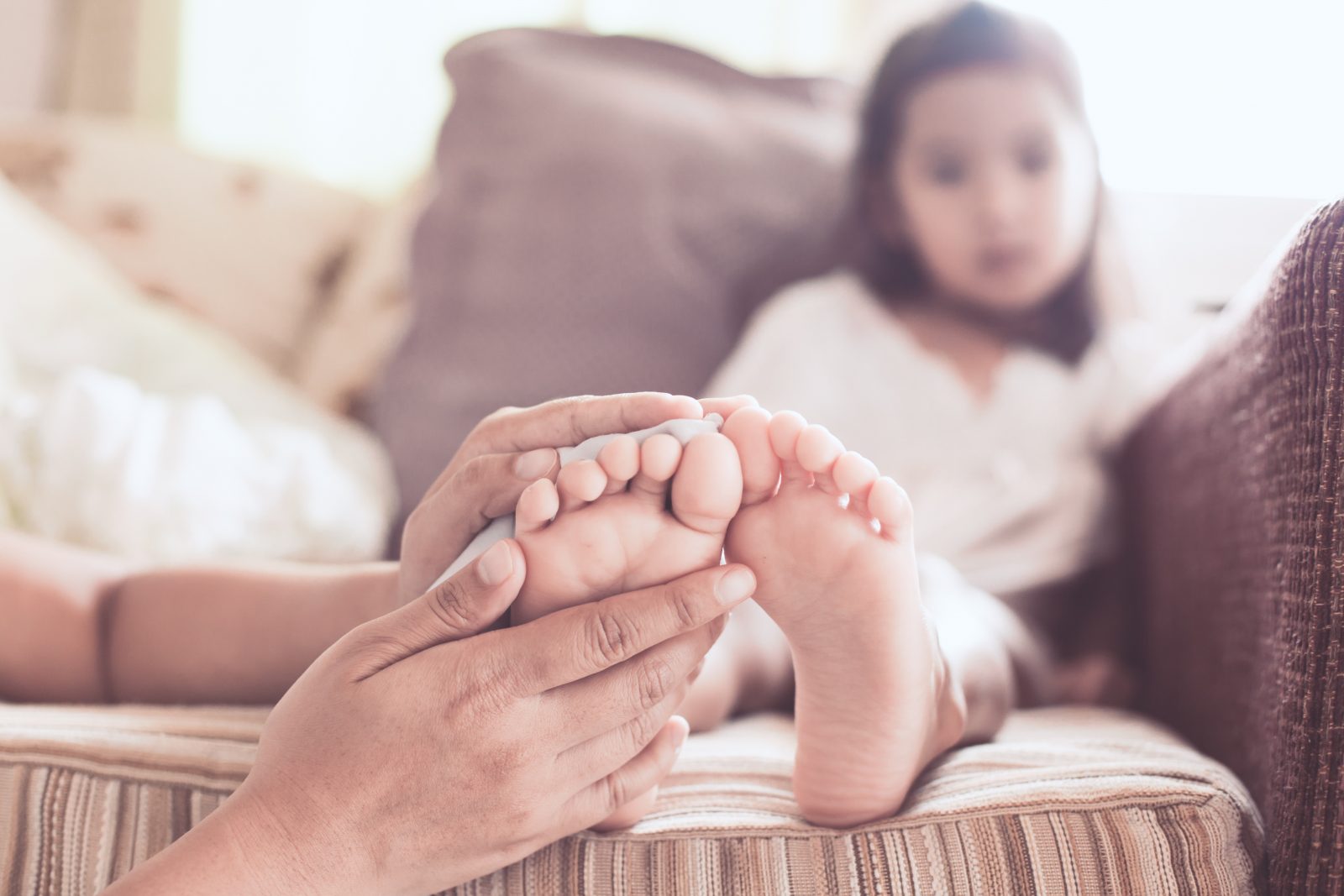
In a world propelled by constant movement, many children often jump into activities without a good stretch or warm-up. This happens commonly during rigorous sports like football, basketball, gymnastics, tennis, or soccer. The heel region can experience significant pain and inflammation when there is a high training volume, resulting in the possibility of Sever’s Disease, which we will discuss more in detail below.
What is Sever’s Disease?
Sever’s Disease (Calcaneal apophysitis) is a common cause of heel pain in children. It is a degenerative condition of the posterior portion of the calcaneus caused by the inflammation of the Achilles tendon at the back of the heel. The injuries caused by Sever’s Disease are due to irregular loading, which is not evenly distributed on the heel. This condition is prevalent in young athletes who participate in repetitive running activities. From a scientific level, it is the heel’s primary growth plate’s swelling and irritation. The plate is a malleable layer of cartilage near the end of a bone where the majority of the bone growth happens. If appropriately treated, Sever’s Disease usually goes away within a few months and doesn’t cause any permanent or long-term damage.
Patients often initially will be concerned about an “Achilles tear” or “Achilles tendinitis.” The symptoms include pain, tenderness, and stiffness in the heel region and are most prevalent when walking or taking the first steps in the morning. The pain is usually worse at the back of the heel, and raising the foot usually eases the pain.
What are the Causes of Sever’s Disease?
Severs Disease is caused by inflammation of the growth plate near the heel bone in the foot. Due to stress or repetitive motion, this part of the foot is affected. When an individual overuses the muscles in the foot, they can cause severe stress on these muscles. The result is pain in the foot whenever it is put under pressure.
How is Sever’s Disease Treated?
If your child has Sever’s Disease, they should avoid sports and activities that cause pain or irritation to the heel. Work with a pediatrician and foot specialist to develop a plan suited for your child that encourages healing of the affected area without causing a setback. The main goal is to reduce any pain that might develop from doing specific movements, promoting activity levels where the body will fully recover damaged tissues.
Medication for pain such as ibuprofen (Advil, Motrin, or store brand) or acetaminophen (Tylenol or store brand) are often used. Follow the directions that come with the medicine for how much to give and how often to give it.
Conclusion
Sever’s Disease is the most common cause of heel pain and discomfort in children. The symptoms of Sever’s Disease are pain, tenderness, redness, and swelling of the area around the heel. Sever’s Disease is treatable and curable, but it’s essential to diagnose the condition early. A correct diagnosis is made with special tests on an X-ray of the foot. If you feel your child may be suffering from Sever’s Disease, be sure to contact us for proper medical treatment.
Category: Foot & Ankle
-
Sever’s Disease – What You Should Know And How To Treat It
-

“What’s On My Foot?” – Skin Lesions/Dermatology
I get texts of photos like the ones pictured below all of the time! “Dr Tabora, what is this on my foot?”
There are so many things that present as lesions such as: callus, HPK, warts, cysts, traumatic wounds, gouty tophi, precancerous, and cancer lesions. The list goes on and on, and there may be a combination of these listed above going on at the same time. All of these skin lesions can look/present the same way. The only way to determine what these are is by taking a small sample through a skin biopsy.Many doctors will initially begin broad, generic, treatment based on what the lesion looks like. Sometimes these lesions will completely resolve during the initial treatment, while others may begin to get better and then return. The lesion may not get better at all with initial treatment. If these manifestations do not begin to improve, or return after, or during, initial treatment, then a biopsy of the lesion should be performed. Many can argue that a biopsy should be done on the initial visit.
A good thorough history of the lesion should be taken from the patient.
When did it start? Has it grown in size? Has it changed color or shape? Does it ever cause pain? Is there a family history of these lesions?
The initial visit should include documentation of the current size, shape, color, and location.
Visit your nearest foot and ankle specialist, podiatrist, or dermatologist for an appropriate examination. -
Achilles Tendonitis: What You Need To Know
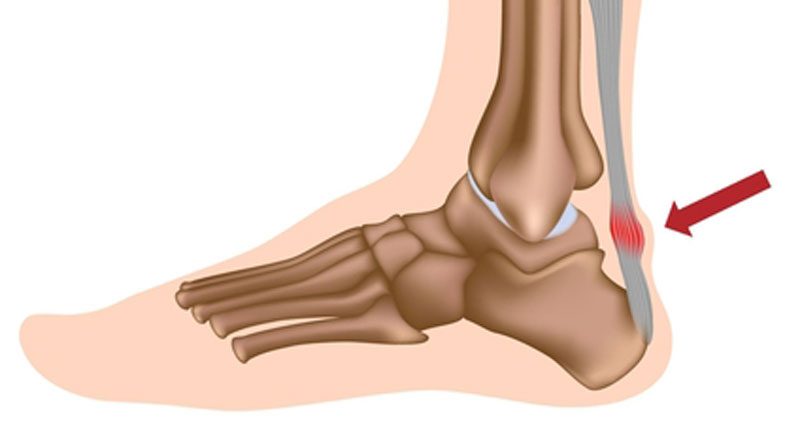
Heel pain may also present as Achilles tendonitis. Generally, there are two main areas where heel pain may occur. The first area is the bottom of the heel, which touches the floor taking the brunt of the body weight. The second area of the heel where pain may occur is the back of the heel. This area on the back of the heel is where the achilles tendon attaches to the heel bone. Sometimes this part on the back of the heel will be so painful that tennis shoes and sneakers will rub in this area and worsen the painful symptom.
Another area of pain here at the back of the heel can be from the achilles tendon itself. The tendon may become irritated by micro tears, blunt trauma, overuse, or from external rubbing creating what is known as “achilles tendonitis“. Wearing sneakers may be tolerable, but walking and running can be painful on the back of the leg, just above the heel along the tendon.
It is imperative to seek medical treatment for a thorough examination to determine the cause of the heel pain. Determining the cause will then provide the appropriate course of treatment. Typical, first line, conservative treatments may include rest, ice, immobilization, heel lifts, oral anti-inflammatory medications, and physical therapy. Imaging may involve x-rays and MRIs. Chronic, long-term achilles tendon pain can lead to weakening of the tendon and sometimes spontaneous rupture in the worst cases, therefore it is important to seek a foot and ankle specialist, or podiatrist as soon as possible to determine cause and treatment course. If the tendon is already ruptured, then an MRI is typically ordered to evaluate the integrity of the tendon, the severity of the tear, and to plan a course of treatment.
For more information on how to best diagnose and treat achilles tendonitis, please visit The Foot & Ankle Clinic, your podiatrist in Wellington Florida!
-
How Simple Orthotics Can Help Your Foot Pain
Every day millions of people suffer from heel pain. This is one of the most common complaints that patients come to my office with. They will complain of a sharp pain to the bottom of their heel when they stand up from a seated position. This sharp heel pain may tend to get slightly better as the day goes on, or it may linger on throughout the day.
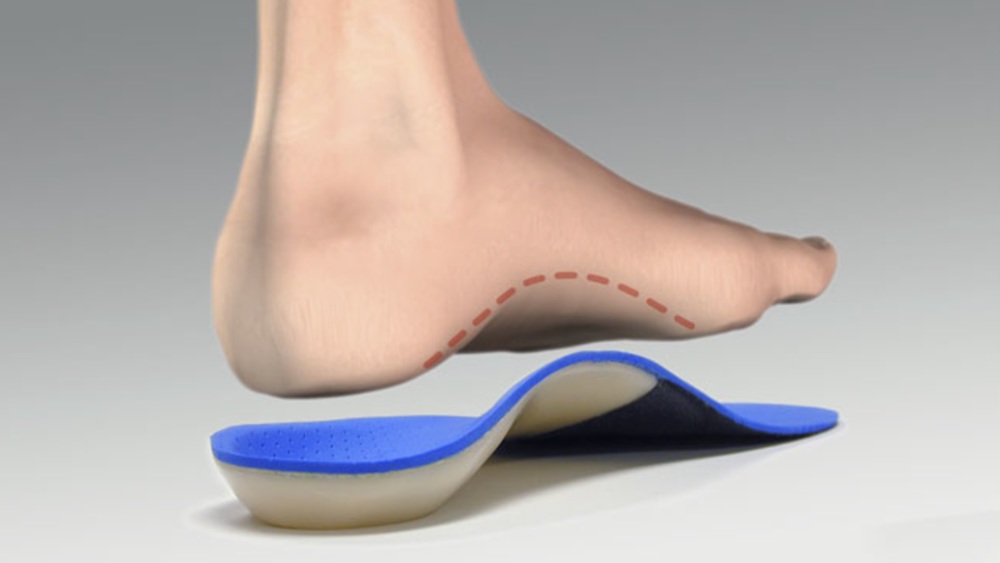
This initial, sharp, knife-like pain is due to a tight fibrous band of soft tissue that runs along the bottom of the foot from heel to toes (known as the plantar fascia) taking the full force of body weight without any support underneath. This band of tissue then tugs on the heel causing a painful inflammatory reaction/symptom. Placing an orthotic or arch support in the bottom of the foot will help prevent this painful tugging of the plantar fascia on the heel.
There are several other additional measures that should be considered along with the use of an orthotic, or shoe insert, such as: ice, rest, type of shoes, stretching, anti-inflammatory medications, and physical therapy. If the pain is severe enough, and conservative attempts have failed, then the next option would be an injection.
Nevertheless, results will vary from patient to patient, and it is best to visit your nearest foot and ankle specialist for an appropriate evaluation. Visit your nearest podiatrist or orthopaedic foot doctor.
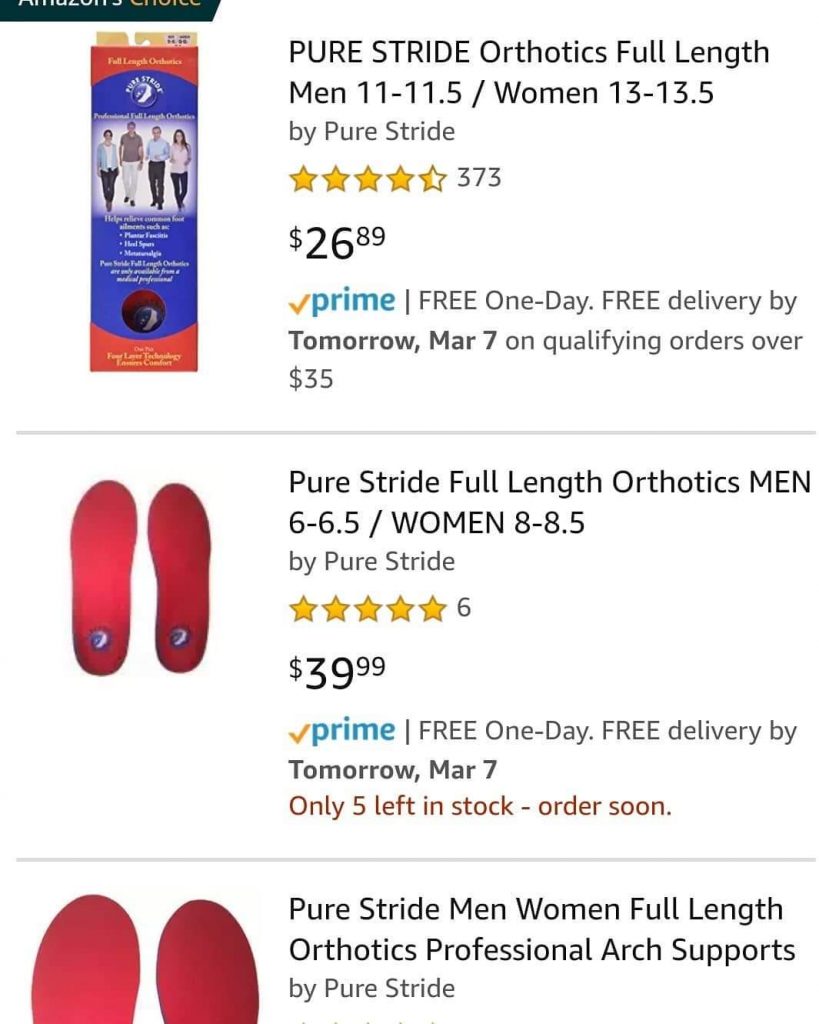
Below, I have listed a very good orthotic insert for patients that have a fairly neutral arch height.
Orthotics may be beneficial for heel pain, ankle pain, arch pain, knee pain, and lower back pain.