Author: cmceditor

  • Winter Foot Care Tips That Will Get You Through Frosty Times

    Winter Foot Care Tips That Will Get You Through Frosty Times

    With fall slated to commence soon and winter following suit, it cannot be denied that the cold months are finally rolling in. When this happens, our feet go through various pathways, including slush, snow, and ice, making it more challenging to navigate walkways safely.

    During these frosty times, implementing proper foot care and maintenance is essential not only to avoid dryness and discomfort, but also to veer away from serious issues such as fissures or worse, frostbite. With the right care and precautions, alongside the guidance of your podiatrist, you can keep your feet happy and healthy all winter long.

    Limit Your Exposure to the Cold

    Frolicking and playing in the cold can truly be a fun and magical time, especially when you’re out with friends or loved ones in the snow. However, it should be emphasized that you shouldn’t go out with bare feet in the cold or in the snow for any length of time as this exposes you to the elements and leaves your feet at risk for developing frostbite and other problems.

    While limiting your feet exposure to cold may seem like common knowledge, reminding yourself regularly will help keep your feet health intact.

    Check Your Feet Regularly

    If your job doesn’t keep you out of the cold or you simply have to walk through icy weather, you should take the time to check your feet every single day. Exposing your feet to the cold makes your feet prone to numbness, drying, and dehydration, making it difficult to feel any sensation at times. This way, you’ll know if there are any cuts or sores you need to address.

    While you’re at it, consulting with a foot doctor might be of help. As professionals, they can examine your feet regularly and keep tabs on your health and progress. Moreover, these experts are likewise equipped to make a diagnosis about the condition of your feet and, by extension, treat any foot-related condition you might have.

    Keep Your Feet Clean and Dry
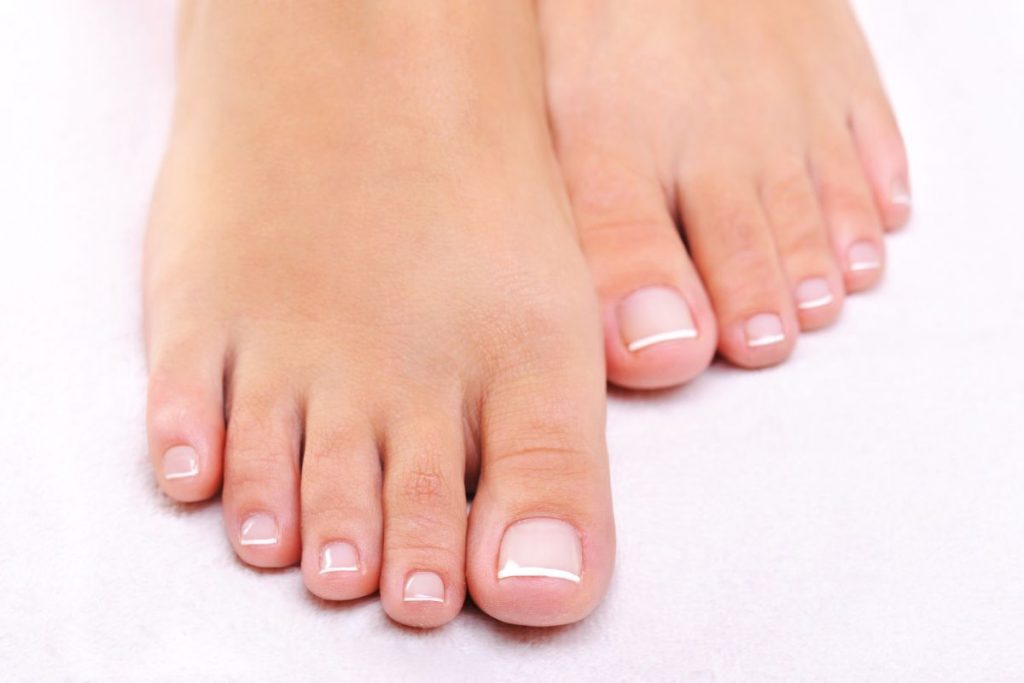
    In relation to the previous point, you should make sure to clean your feet daily with soap and water. In addition, drying it up well before putting on your socks and shoes can help keep bacteria and fungal infections at bay.

    Keeping your feet clean also entails trimming your toenails regularly to prevent them from digging into your skin and causing ingrown toenails.

    After washing your feet, slathering on some lotion or moisturizer can bring back some much-needed moisture, especially during cold, harsh weather. Massaging these creams will not only keep your feet soft and moisturized, it will also prevent your feet from cracking.

    Wear Moisture-Wicking Socks
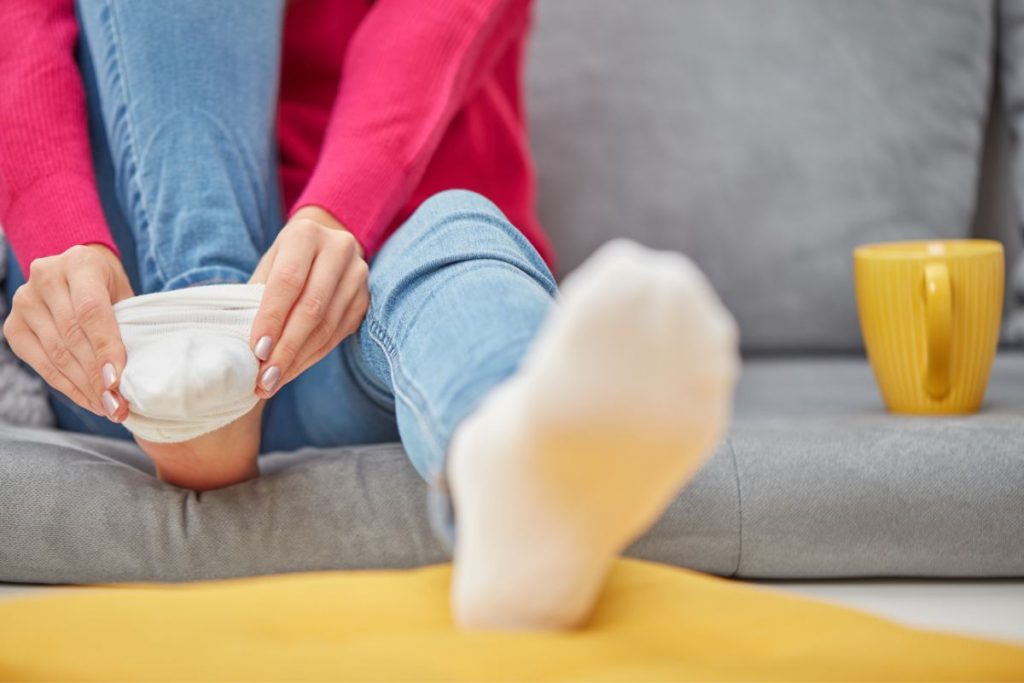
    Moisture in your feet is the perfect breeding ground for bacteria, diseases, and other fungal infections to take effect. Stop these in their tracks by opting for moisture-wicking socks, many of which are made from natural fibers such as cotton or wool.

    Having sensible socks is imperative, especially when you’re going into extreme temperatures or when your shoes aren’t waterproof at all. You can even layer by using thermal socks as your base layer and using wool or cotton socks for additional warmth. To complement moisture-wicking socks, a sprinkling of foot powder can help absorb excess moisture.

    Remove Wet Clothing Right Away

    If your socks, shoes, or boots happen to get soaked during your day, you should remove them right away and allow them to breathe and dry out. As mentioned, moisture is your enemy and wearing damp layers of socks and shoes can make mold and bacteria grow immediately.

    Wet clothing can also make your body more susceptible to cold, making you prone to colds and frostbite, as well as foot conditions such as trench foot.

    Final Thoughts

    Keep your feet safe and healthy all throughout winter with these nifty tips. Should you encounter any foot-related issues, feel free to get in touch with a podiatrist today. With expert help and strategic maintenance measures, your feet can take you through the frostiest of times.

  • Learn What Causes Bunions and How You Can Fix Them

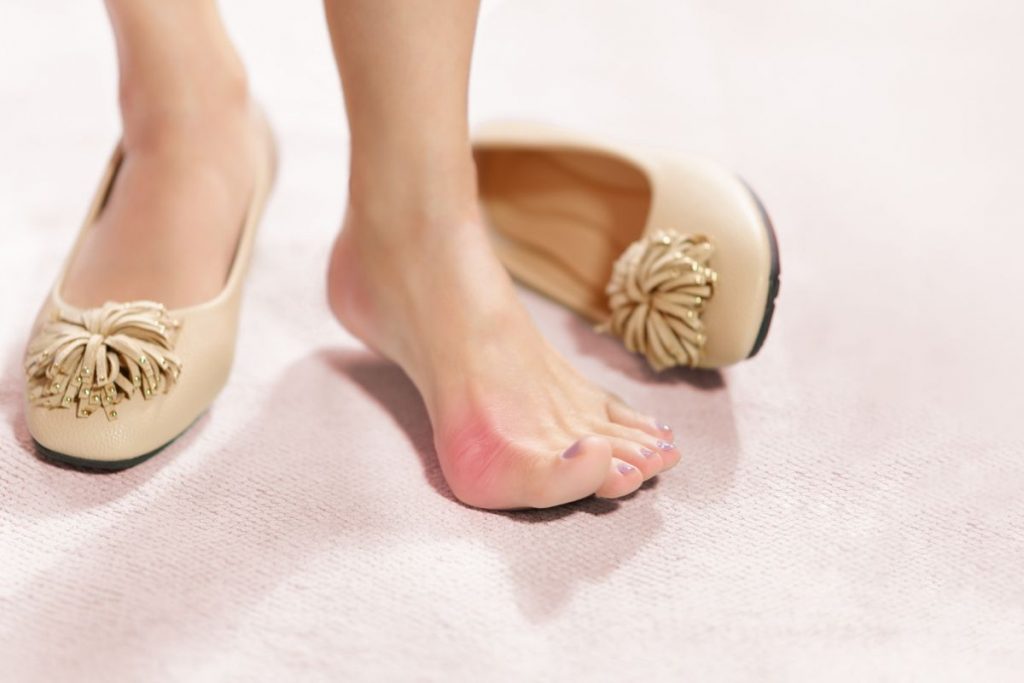
    Learn What Causes Bunions and How You Can Fix Them

    Many people around the world are dealing with bunions. After all, this is a common foot condition than one would think. As a matter of fact, this is considered one of the most common foot problems, especially among women.

    Bunions are caused by different factors. Learn more about what causes this problem and why it brings about foot pain, as well as its treatment and how you can prevent this from forming in the first place.

    What are Bunions?

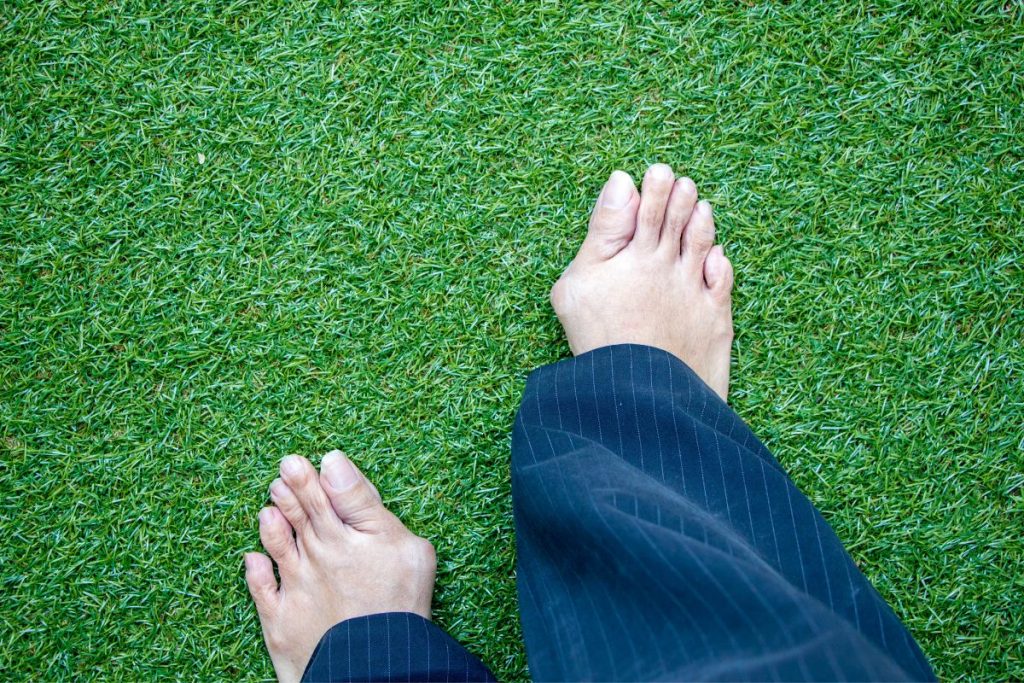
    Bunions refer to the bony bump that tends to form at the base of your big toe. They are likewise known by their medical term called hallux vagus.

    Bunions come about when the metatarsal bone moves towards the side closer to the other foot. This means that the bones in your foot are being displaced, forcing the joint of your big toe to stick out and become a deformity of sorts. This also means that the big toe is moved toward the smaller toes.

    As this foot condition progresses, you may feel foot pain. This is more prevalent when the angle between the big toe and the foot grows, leading to fluids filling in a sac at the base of the big toe.

    How do Bunions Develop?

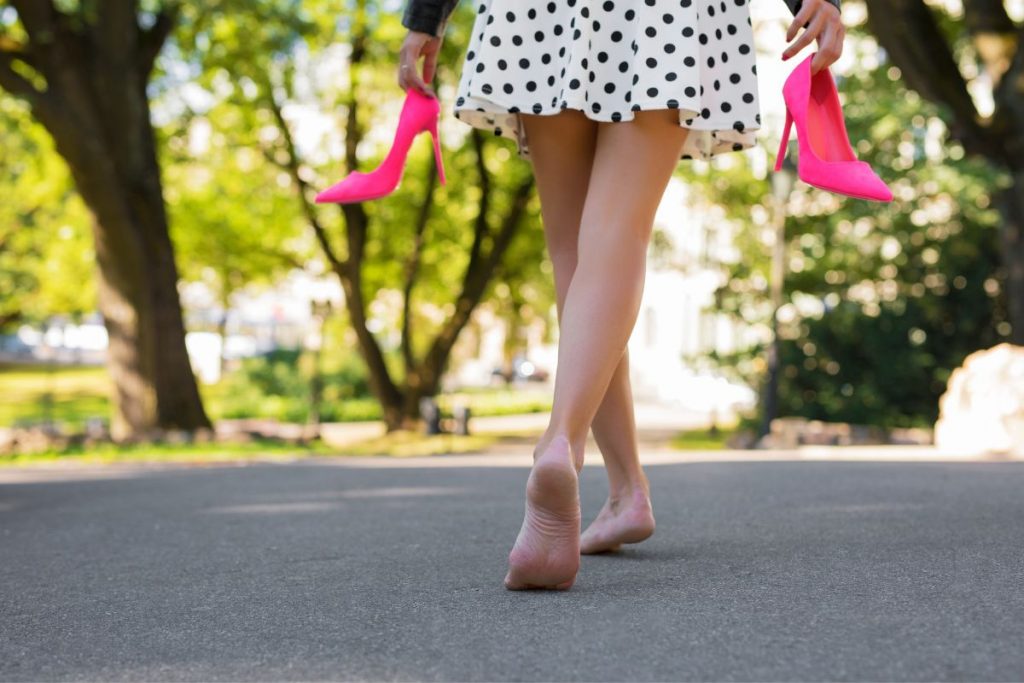
    There are various reasons why bunions develop. One of the main causes of bunion is wearing ill-fitting shoes, particularly those that are constricting on the toes and are quite narrow.

    This is perhaps why more women are prone to having bunions. Apart from wearing tight shoes, women are also said to have weaker connective tissue in their feet.

    Another cause of bunions is genetics. Sometimes, this foot condition happens simply because it is hereditary and there are some families whose foot types run narrower. At times, the structure and shape of the feet can likewise affect one’s chances of forming bunions.

    In a similar vein, the development of bunions may just simply be exacerbated by individuals who already have foot deformities from birth. By extension, those who have foot conditions such as flat feet, arthritis, and low arches are susceptible to developing this problem.

    Get to Know the Treatment for Bunions

    • Having the Right Type of Shoe

    One of the best ways you can address the formation of bunions is by wearing the right shoe type for your feet. No two feet are alike, which is why you might want to consult a specialist such as a foot doctor who can guide you toward choosing what best suits your feet.

    Bunions can feel painful at times because many shoes are not equipped to accommodate their formation. To prevent friction and from encouraging the development of bunions, make sure to find shoes that have wide toe boxes and flexible uppers. Having a supportive arch works in your favor as well.

    • Using Protective Padding and Inserts

    Going the extra mile in protecting your feet can make it feel like you’re walking on clouds. Some accessories that might help alleviate your foot problems are protective foam padding. This adds comfort and helps reduce the pressure on your bunions.

    • Bunion Surgery

    In the worst case scenario, having bunion surgery will greatly provide relief and improve your overall foot health. Conducted by a podiatrist or a foot doctor, this MIS bunion surgery is minimally invasive.

    While this type of surgery may sound scary, this actually corrects your feet and metatarsal bone, allowing your foot and toes to be realigned properly once more. It also reduces foot pain and gives you back the full range of motion you once enjoyed.

    The Bottom Line

    Bunion formation is a normal part of life. Even so, with these preventive measures and tips, you can help keep this foot problem at bay. For those with this condition, make sure to consult your foot doctor right away and you can keep your feet healthy with their guidance.

  • Barbie Feet and Why It Could Be Harmful

    Barbie Feet and Why It Could Be Harmful

    Barbie is a popular fashion doll that has been loved throughout generations. It has made recent waves as of late thanks to the upcoming film by Greta Gerwig, as well as the famous Margot Robbie arched foot scene.

    If you’ve played with Barbies as a child, you’re sure to be familiar with this said foot scene, especially as it has been making rounds on the internet and even becoming a trend. Get to know what Barbie feet actually are and why this could be harmful, causing foot pain and more over time.

    What is Barbie Feet?

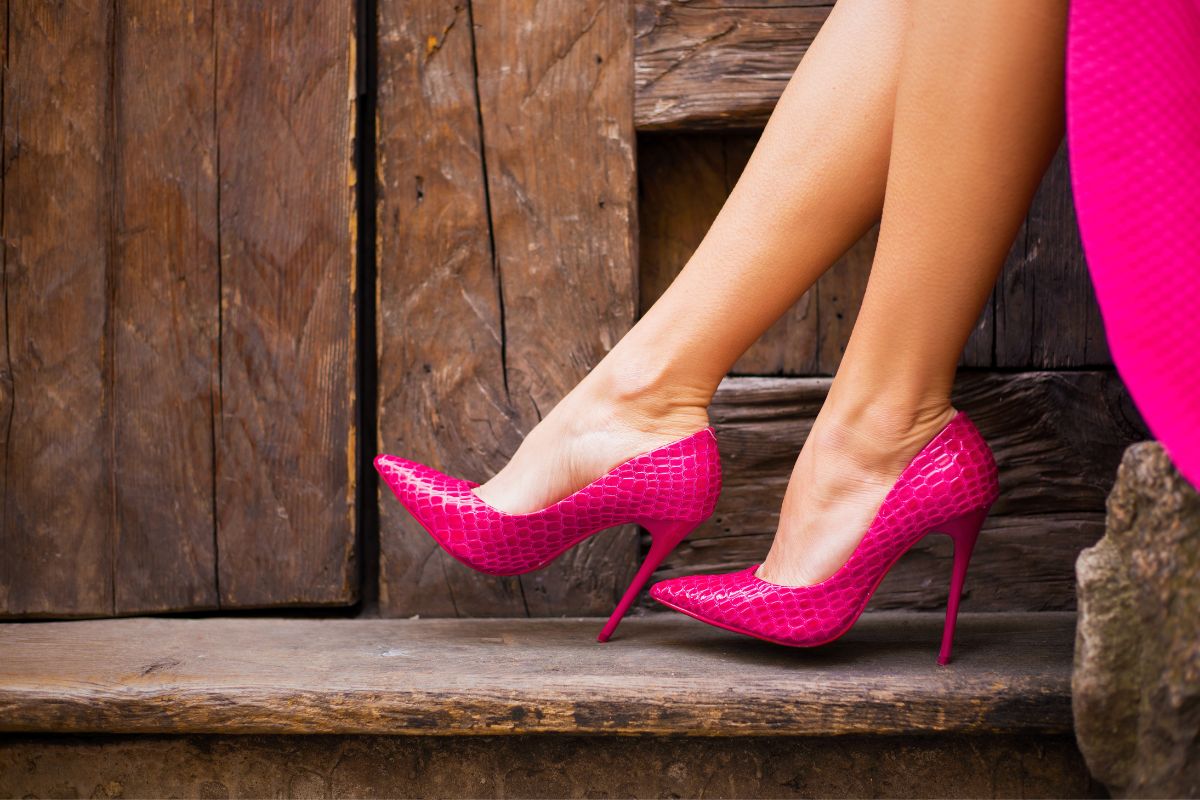
    Barbie feet are one of the latest body trends on the internet. This simply refers to the individuals modeling their feet akin to that Barbie’s permanently arched and pointed ones. The main goal of this trend is to help elongate people’s feet and appearance in their photos, especially when they’re barefoot.

    It is slowly making waves once more as the news surrounding the release of the new Barbie movie. This also became prominent around 2018 and this was all the rage on Instagram back then.

    This particular pose requires individuals to act as if they’re wearing an invisible pair of heels under their arches, despite there being nothing in the first place.

    How This Trend Could be Harmful

    Having toned and slimmer legs in photos are certainly wonderful. However, Barbie feet could pose more harm, which is why getting to know some of its negative effects is important. Here are some reasons why this trend could be harmful.

    • Promote Pain and Inflammation

    Standing on the balls of your feet for extended periods of time can lead to foot pain or even nerve pain. This can even put you at increased risk for injury, especially as it forces the toes and feet to be placed in an exaggerated position, all the while carrying the weight of the body with it.

    When this happens, you can expect some straining to happen not just on your feet, but on your calves as well. Some effects include structural issues on your feet as well as the risk of developing plantar fasciitis. Many experts say that this trend can shorten calves.

    • Impact Balance and Stability

    In relation to the previous point, it’s worth reiterating that the Barbie feet trend can damage the structural integrity of your feet. The high arches of the feet, coupled with the pointed toes, change the way you uphold your body, thereby affecting the center of gravity as well.

    This results in a disruption in the overall natural balance and stability of the body. As such, you might experience increased risks not just for ankle sprains, but also make yourself prone to falling or tripping even.

    • Unhealthy Body Expectations

    Barbie is a doll. Fashioning this trend after a toy that has unnaturally long and slender legs that are constantly arched and pointed could lead to unrealistic body expectations and even body dysmorphia.

    This can likewise affect one’s mental health, making individuals feel self-conscious or insecure, particularly young women whose views of themselves are shaped by the media.

    The Bottom Line

    Barbiecore is back in the limelight, but that doesn’t mean you have to remain boxed in with this trend. If you’re truly a Barbie girl in this Barbie world, you can start by recognizing the harmful effects and risks of this trend and raising awareness of what this trend could bring.

    If you’ve already started doing this trend, worry not. You can contact a foot doctor near you to have your foot pain and overall foot health checked. Doing so helps promotes better habits and self-love at the same time.

  • Learn How to Manage Nerve Damage with a Podiatrist

    Learn How to Manage Nerve Damage with a Podiatrist

    Neuropathy, also known as nerve damage, is a painful condition that affects tons of people around the globe. While this particular condition can affect various parts of the body, this is more commonplace in the feet and legs. A podiatrist Baltimore MD can provide professional help that can manage and alleviate your symptoms.

    If you are dealing with nerve damage in your lower extremities, particularly in your legs and feet, you might want to consult with a trusted expert in the field right away. Below are some causes and symptoms to watch out for as well as learning how foot doctors aid in addressing this condition.

    A Brief Background on Neuropathy

    Neuropathy occurs when nerves in the peripheral nervous system become damaged or dysfunctional. These peripheral nerves are designed to transmit sensory information from the brain throughout the body. They are also mainly responsible for signaling pain and touch, as well as controlling the movement of muscles.

    When these nerves are damaged, they can send incorrect signals to the body. At times, there may even be no signals at all. This can lead to the individual suffering from uncomfortable and even debilitating conditions.

    Common Causes of Feet Neuropathy

    Injuries

    Individuals who suffer from trauma can experience their nerves being damaged in worse-case scenarios. Some examples of these traumas include compression injuries or fractures to name a few.

    Diabetes

    Diabetics are at risk for nerve damage in their feet due to their high sugar levels which can eventually damage the blood vessels in the body. In turn, this damages the nerves in the feet, given that nutrients no longer flow properly.

    Autoimmune Diseases

    There are also certain conditions that can lead to nerve damage and these include the likes of lupus and rheumatoid arthritis. Similarly, there are certain treatments, such as chemotherapy, which can lead to neuropathy as a side effect.

    Symptoms to Look Out For

    • Skin Changes

    Make sure to watch out for textural and color changes in your feet, such as them becoming more wrinkly, pale, and the like. Apart from these, you also want to pay attention to skin changes such as your feet becoming excessively dry or sweaty.

    • Numbness or Tingling in the Feet

    Pins and needles in your feet may indicate neuropathy or its beginnings. This can also signal a loss of feeling in your feet.

    • Foot Pain

    There are different types of foot pain associated with neuropathy, but these cover burning or shooting pain. When you feel uncomfortable pain, such as a sharp or shooting pain, as well as burning sensations, these may be tell-tale signs of neuropathy.

    • Muscle Weakness

    If you are dealing with nerve damage, chances you may have difficulties in moving as well as controlling your feet and toes. This may also make you prone to falls since you may deal with balance problems, too.

    • Foot Deformities

    Neuropathy can lead to the development of foot conditions or problems over time, such as claw toes.

    How a Podiatrist Can Help

    Dealing with foot neuropathy can be a challenge, especially when you don’t know a thing about this. A foot doctor Baltimore MD can help manage your condition and even give specialized treatment.

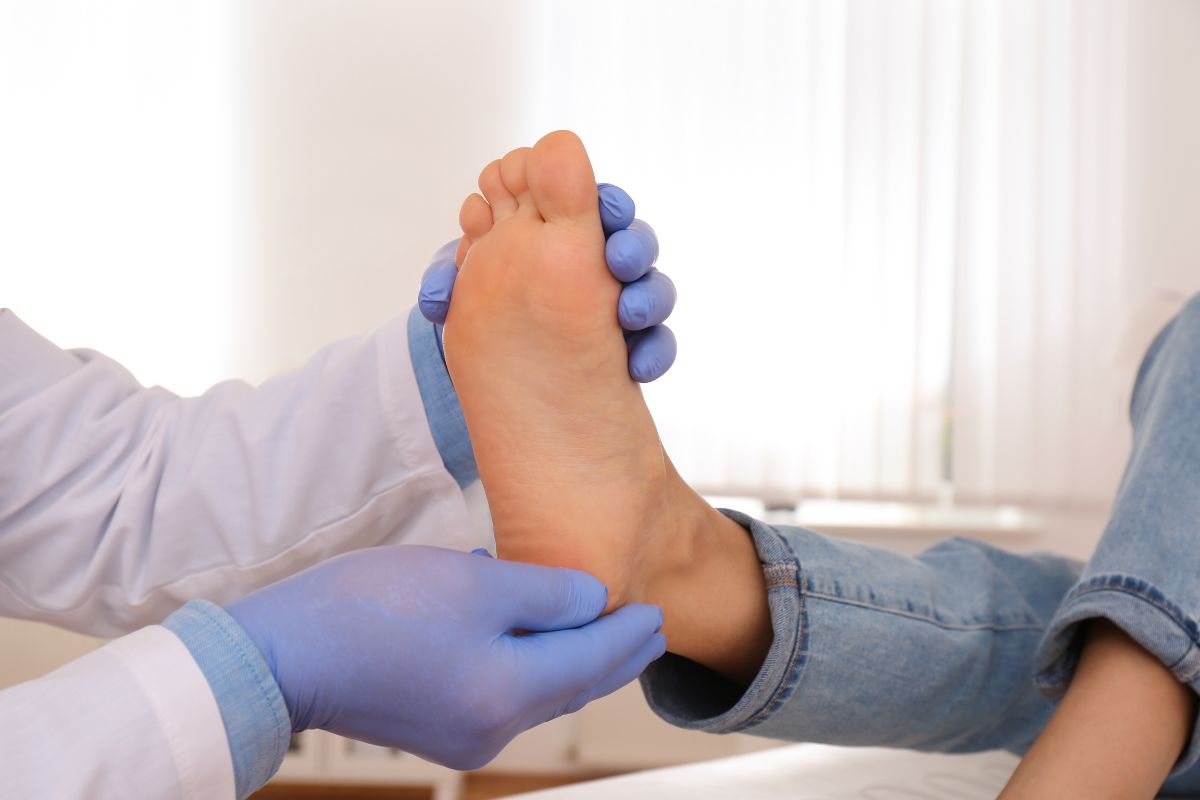
    For one, these professionals are equipped with the tools to make an accurate diagnosis. Not only do they have the right tools, but they also perform tests to confirm the presence and extent of foot neuropathy. In fact, they can even identify the source.

    Of course, it’s worth mentioning that podiatrists aid in pain management as well. They can prescribe medication, recommend pain management techniques and exercises to reduce or alleviate discomfort, as well as design custom orthotics to boost foot support.

    Conclusion

    Living with foot neuropathy can be difficult, but with the expert guidance and knowledge of your podiatrist Baltimore MD, you can improve your quality of life and manage your condition at the same time. From foot care education to regular monitoring and lifestyle changes, you can take proactive steps in improving your foot health.